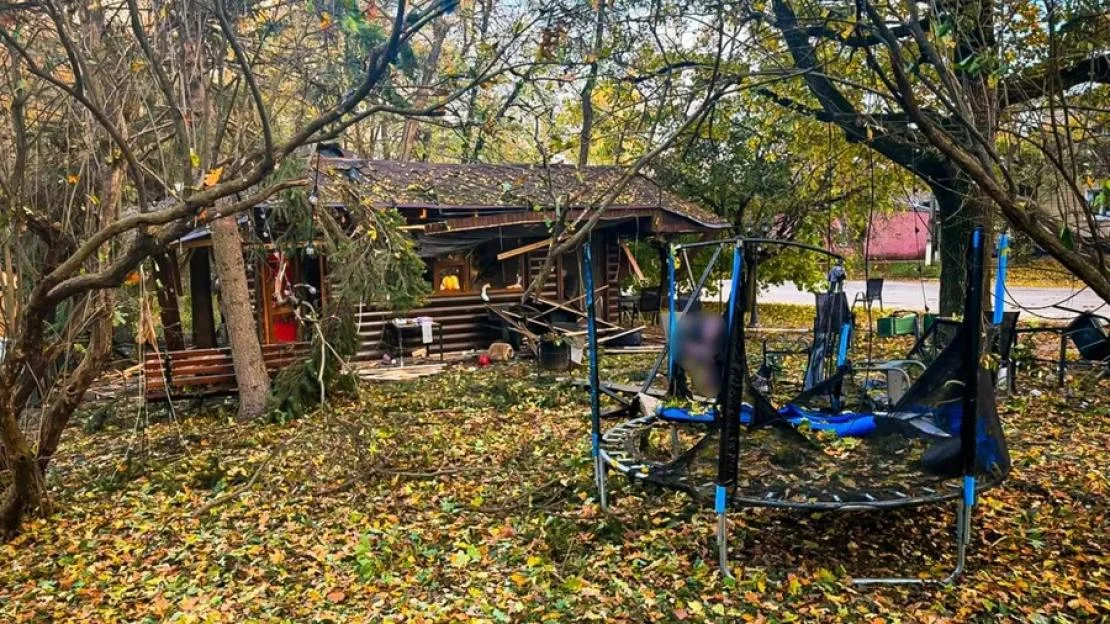
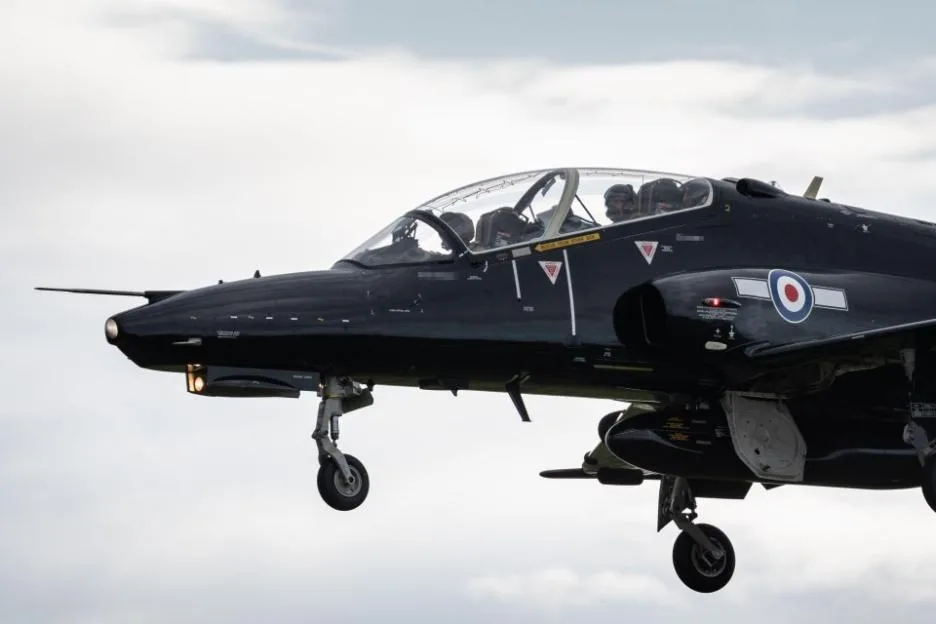
THE fuel cap was left off a £20million RAF jet that caught fire on take off and crashed, investigators have found.
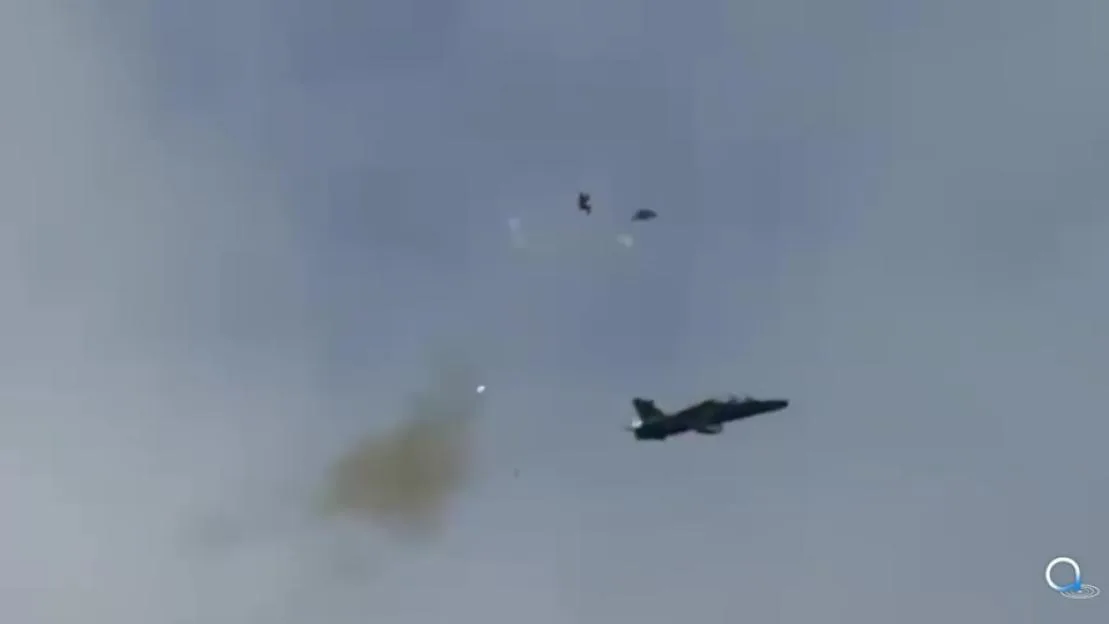
The two pilots steered away from buildings and ejected before the , North , last month.
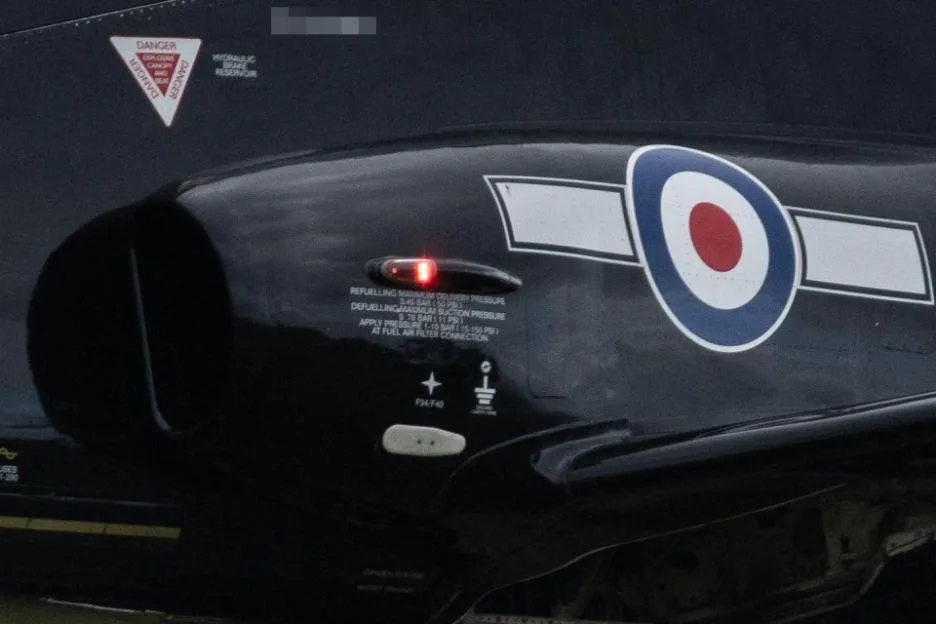
The missing cap was the responsibility of ground crew.
A source said: “It’s a pretty poor indicator of standards.”
The Sun understands the missing fuel cap forms “a significant part of the investigation” into the jet’s fireball crash.
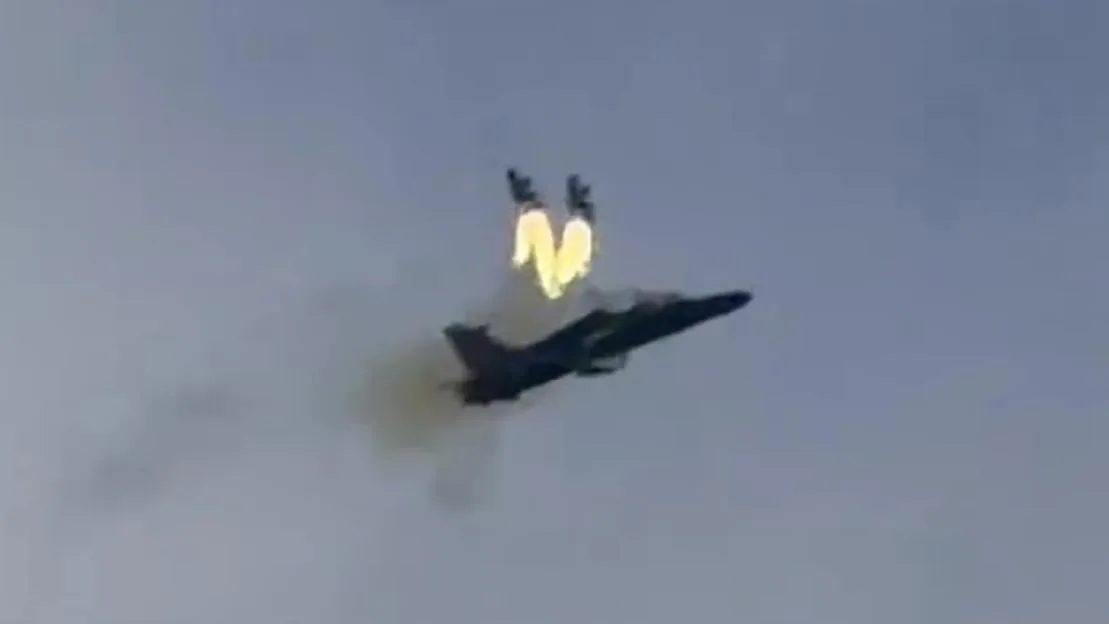
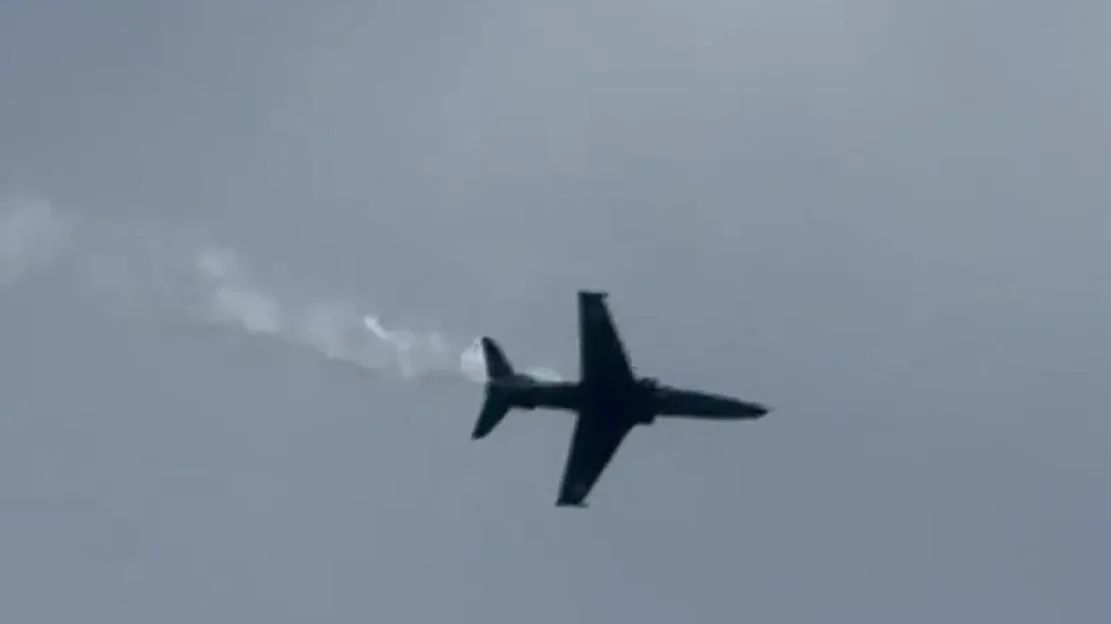
Plane spotters watched in horror as flames burst from the aircraft’s fuselage on take off — but the pilots noticed too late to abort.
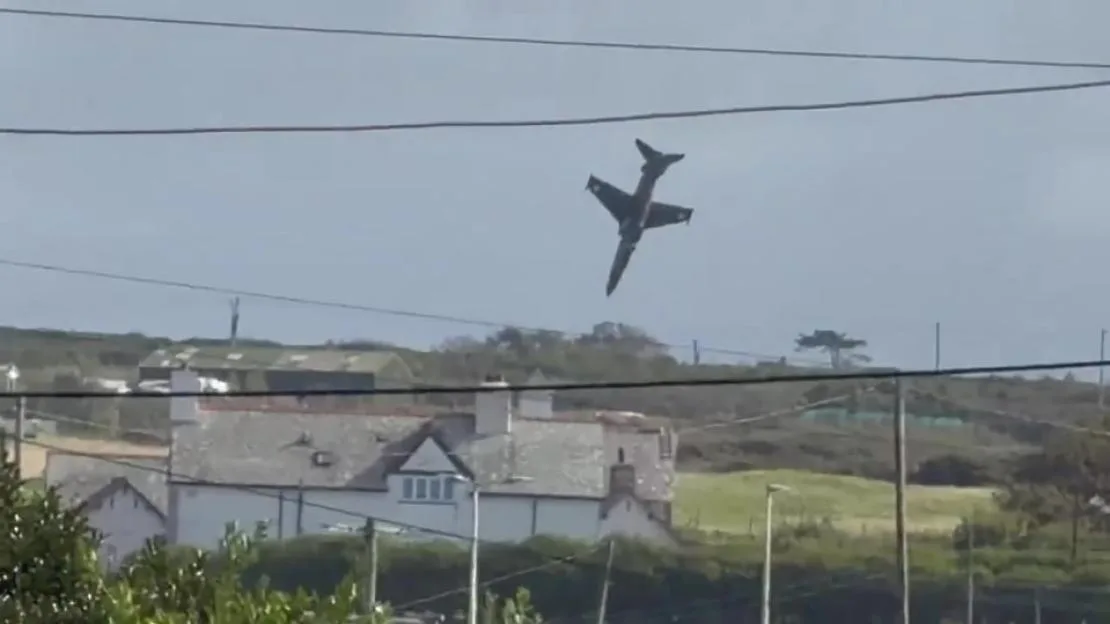
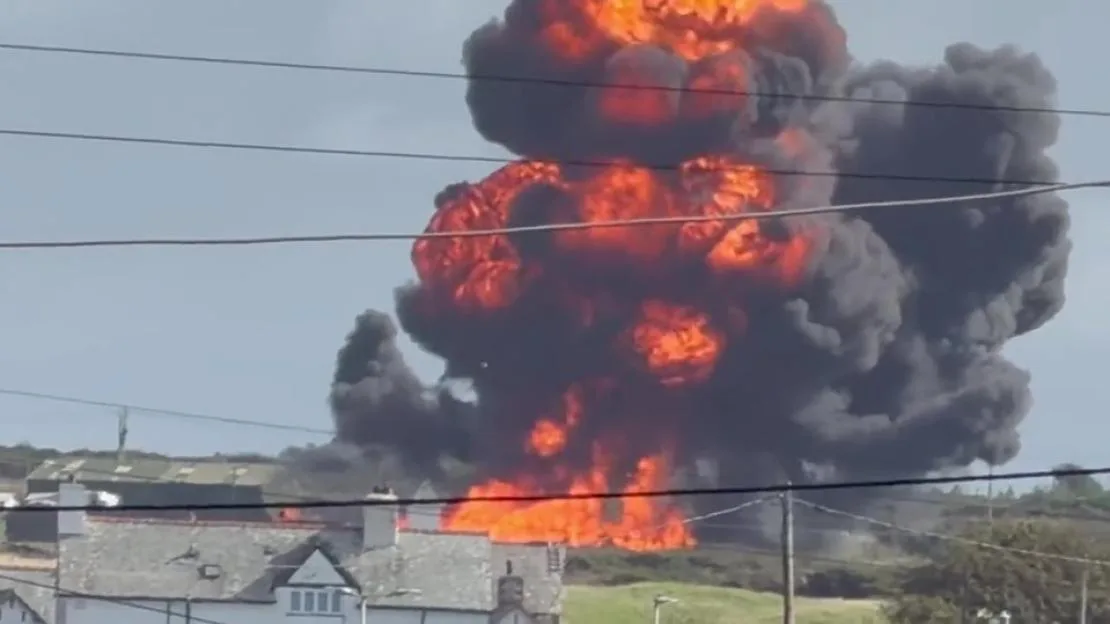
Footage showed the airborne Hawk T2 nodding upwards and downwards, at risk of stalling. The pilots managed to steer the £20million plane away from most buildings to avoid a disaster, and then ejected to safety.
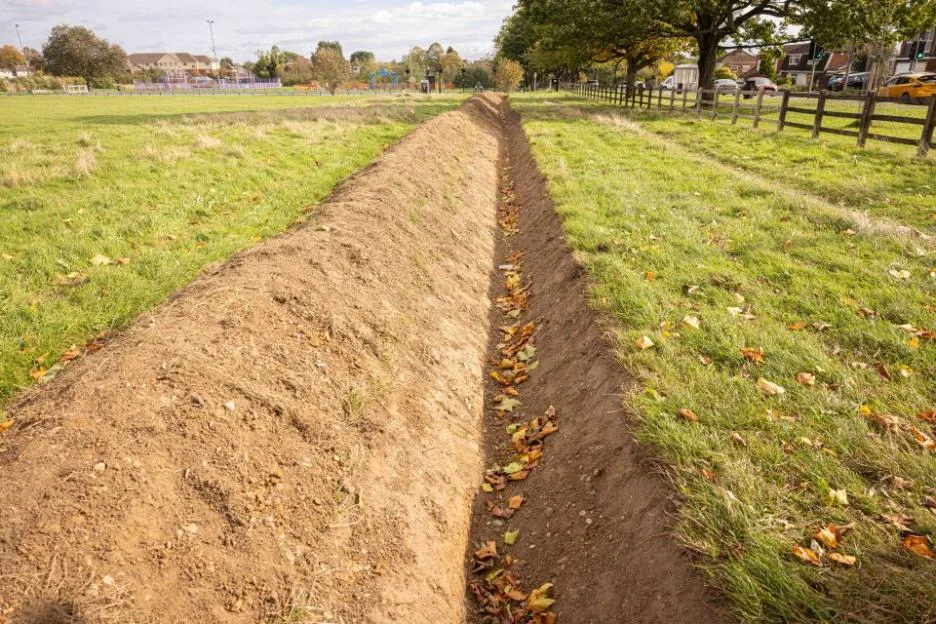
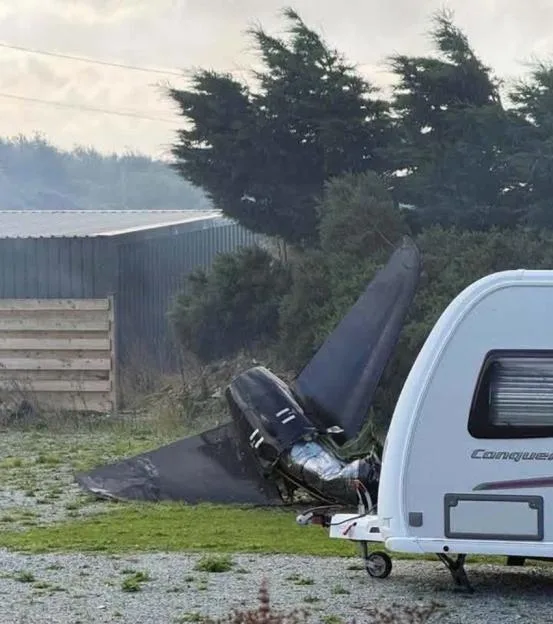
The jet remained in the air for 20 seconds before corkscrewing into farmland just yards from and .
One said: “One of the first things the crash investigators established was a fuel cap was missing. There are valves built into jet fuel inlets to stop fuel spilling outwards. But it’s a pretty poor indicator of standards and could speak of wider problems.”
Another added: “Safety is everything in aviation. This plane should never have taken off without its fuel cap. You have to pray it’s a one-off. But if a fuel cap can be left off, what else can be?”
The jet was on what is known as an “air test” after undergoing repairs. Video of the take-off at Valley, North Wales, on September 3 shows the aircraft catching fire as the pilots accelerate down the runway.
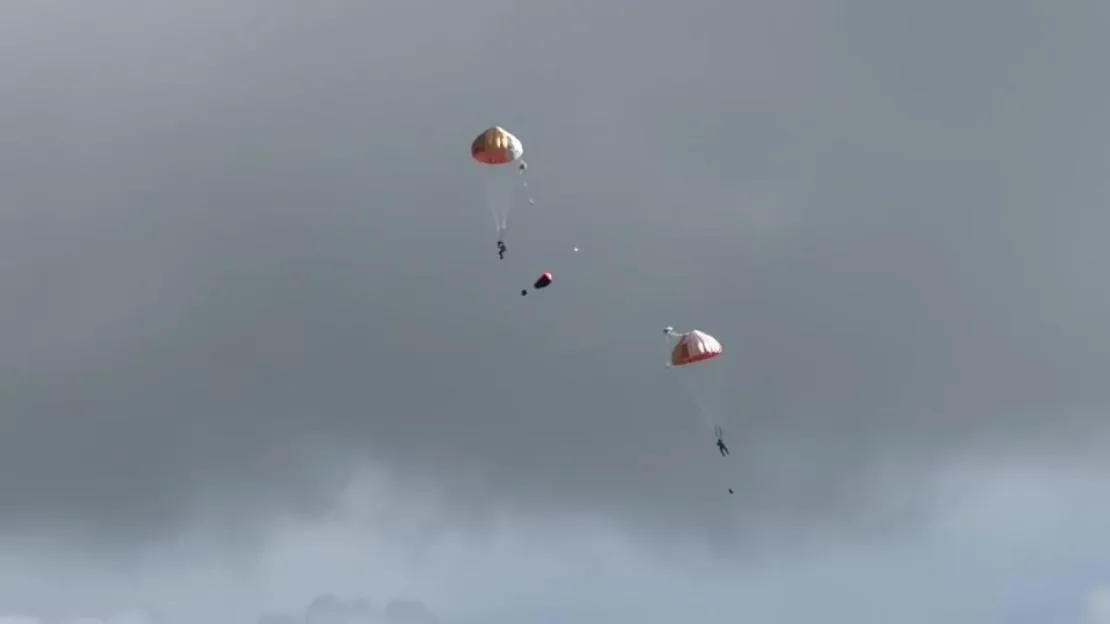
Both suffered minor injuries after descending to the ground by parachute. The RAF said they were in “extremely high spirits and expected to make a full recovery”.
Group Captain Gez Currie, station commander at RAF Anglesey, said the pilots steered the aircraft “away from built-up areas” before ejecting.
He added: “The aircraft would have been aimed in a direction that the pilot believed was open field, in order to avoid built-up areas and anybody on the ground.”
However some aviation experts questioned why the jet had not been steered out to sea.
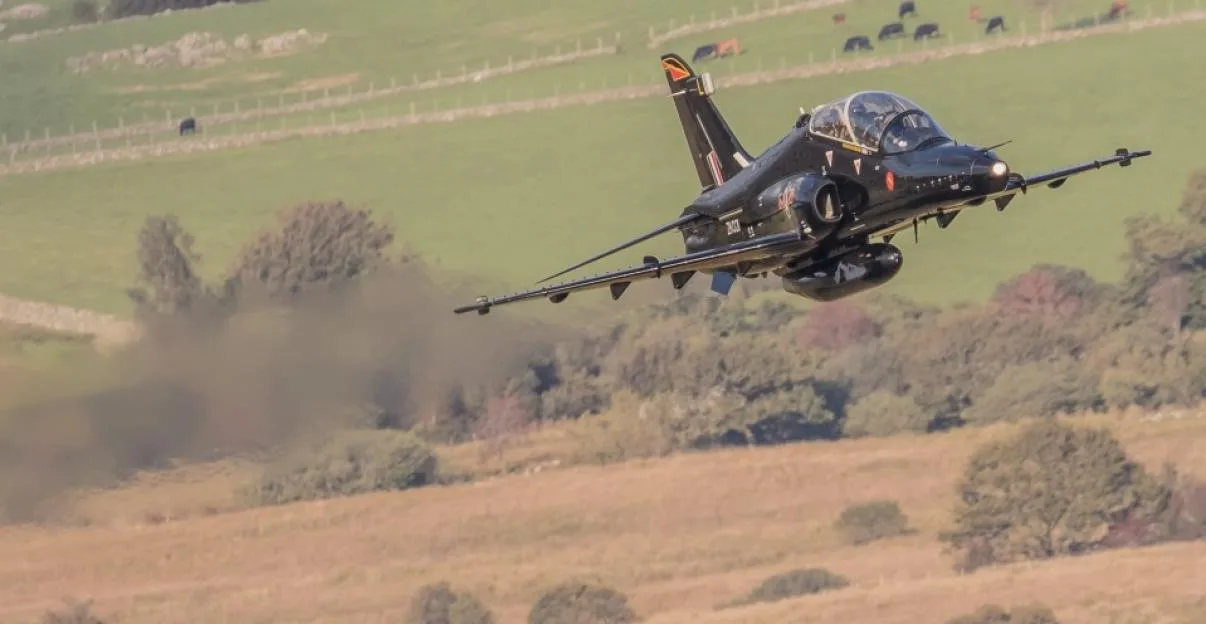
The RAF’s fleet of two dozen Hawks are maintained by contractors Babcock as part of a decade-long MoD contract signed in 2022.
There used to be 27 in service but the crash brings the number to 26.
The jets are routinely refuelled through a high-pressure fuel hose that connects to an inlet underneath the fuselage. The Sun understands that the missing cap was part of a separate “gravity-fed” inlet.
The RAF grounded its entire Hawk fleet, including T2 training jets and the older T1 fleet, in the aftermath of the crash. They resumed flying on October 8.
The RAF’s Hawk T2s have been dogged by problems with their Rolls Royce engines.
In 2023 Air Chief Marshal Sir Rich Knighton launched a scathing attack on the UK-made aircraft.
He said: “We don’t get what we need from Hawk today.”
Speaking as Chief of the Air Staff, he went on: “We have problems with engines and support.
“Frankly, I would like to replace Hawk T2 as soon as we can to deliver a more relevant, more reliable training capacity, so I don’t have to send pilots overseas.”
But the Government is yet to pick a Hawk replacement. And the only UK company offering a fast Hawk replacement went into administration in May, blaming “continued delays to the UK Defence Investment Plan”.
There have been claims fast jet training was an “unmitigated shambles” at RAF Valley — with hard-pressed ground crews under constant pressure to turn round repairs as fast as possible due to a shortage of Hawks with working engines.
It remains unclear if the cap’s absence caused or even contributed to the accident. Several sources said they suspected a “major engine failure” was to blame.
The RAF confirmed the crash was being investigated and said: “It would be inappropriate to comment further while this is ongoing.”