SIX out of ten NHS A&E departments are below standard and failing inspection, Sun on Sunday analysis reveals.
More than 100 have been ordered to improve by the Care Quality Commission.
Just one in four inspected in 2025 or this year passed muster.
Other failures date back as far as 2018.
Reports from the health watchdog warn patient safety is at risk due to “exceptionally constrained capacity”, long waits, nurse shortages, poor infection control, and .
A Glasgow University study this week estimated that between 500 and 1,000 .
The National Audit Office says £6.6billion-a-year emergency clinics have for years despite action plans, rising budgets and more staff.
Our investigation found 100 out of 174 major hospitals’ urgent and emergency services are rated ‘requires improvement’ by the CQC – the second lowest score.
One is rock-bottom ‘inadequate’, meaning a combined 58 per cent are below standard.
Data show 61 are ‘good’, only six are ‘outstanding’ and six have no rating.
Out of the 72 inspected since January 2025, 53 did not pass – 74 per cent.
A CQC spokesperson said: “Urgent and emergency care is under huge strain.
“Our inspectors have seen some hospitals coping well but is still a real worry.
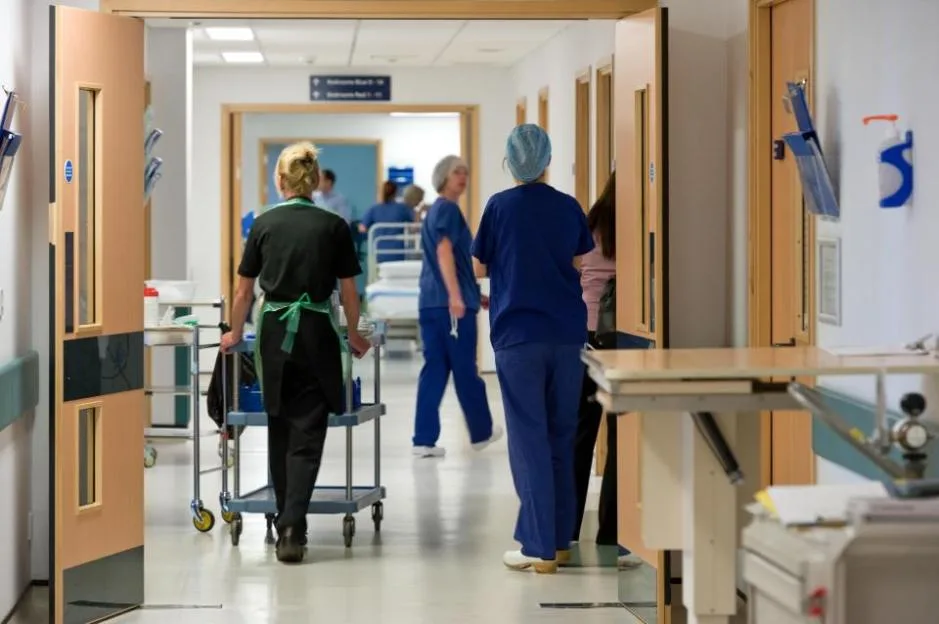
“Inspections have found ambulances stuck waiting to hand over patients and people left waiting far too long before a doctor or nurse sees them.
“We’ve also seen hospitals so overwhelmed that patients end up being treated in corridors.
“This isn’t just an emergency care problem, it’s a much bigger across health and social care.”
Emergency medicine has become the leading cause of negligence claims against the NHS and payouts cost the taxpayer £254million in 2024-25.
Janine Collier, head of medical negligence at Tees Law, said: “These figures should concern every family in the country.
“A&E is one part of the none of us can choose to avoid.
“When your child is extremely unwell or your parent collapses, you go to your nearest emergency department and trust that it will be safe.
“Yet the regulator says six in ten of them are not up to standard.
“We see the consequences in our work every day – fractures missed, sepsis spotted too late, heart attacks and strokes sent home.
“The Government must treat A&E safety as the emergency it is instead of letting ‘requires improvement’ become the norm.”
Sir Ciarán Devane, chief of the NHS Alliance representing health service managers, said: “Several of these ratings are more than five years old and may not reflect the scale of improvement many emergency departments have seen in recent years.
“Nonetheless, the scale of the challenge facing emergency care is significant.
“It requires focusing on more than A&E services on their own.
“We need better flow through all parts of hospitals.”
An NHS spokesperson said: “A&E waiting times and patient satisfaction with NHS services are improving despite record numbers of patients.
“But we know there is more to be done which is why we are sharing best practices examples so that the most challenged A&Es can match the best-performing departments.”