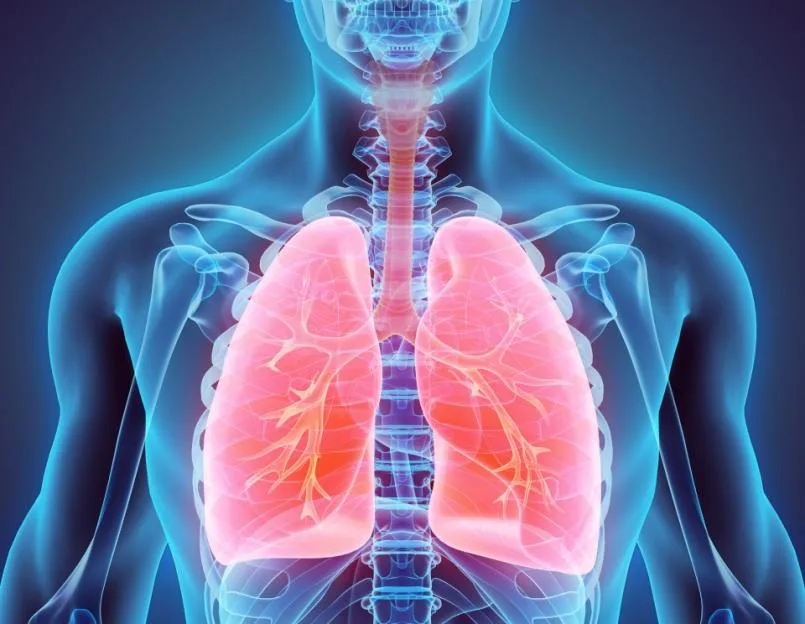
VAPING weakens the lungs, suggests a study that found young adults’ breaths got smaller after using e-cigarettes.
Doctors at the Florida International University tested the maximum amount of air people could expel in one second, then re-tested them seven months later.
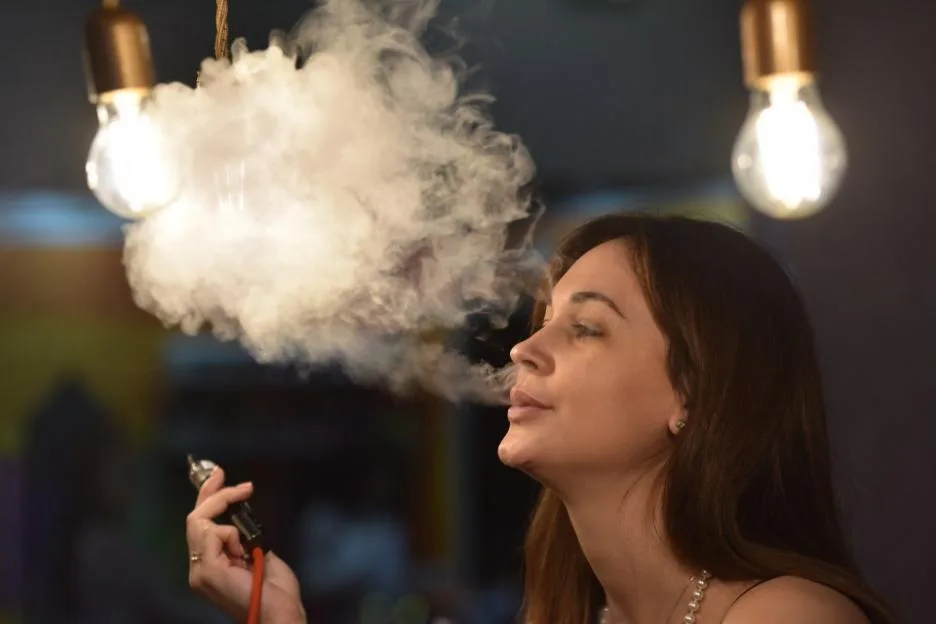
Results from 22 participants aged between 21 and 35 showed that the more someone , the faster their result declined.
The study authors called it “credible evidence” of .
They warned the habit might raise future risk of chronic obstructive pulmonary disease ().
Writing in the journal Tobacco Control, study author Dr Wasim Maziak said: “As the epidemic gains more years, it is important to assess its long-term effects.
“This study provides preliminary evidence of the potential of chronic e-cigarette use to induce persistent changes in respiratory function.”
Vaping is safer than but scientists still do not fully understand the long-term risks.
People in the new study were questioned about their nicotine habits and did two spirometry breath tests seven months apart.
The average spirometry score decreased from 3.85 litres at the start of the study to 3.75 at the end.
Results also suggested that people who vaped more times per day had greater decreases in their scores.
Dr Maziak said it amounted to a “clinically significant change in lung function”.
He added: “This result mirrors the outcomes of previous research on cigarette smokers, reinforcing the evidence of similar detrimental effects.”
Lower lung capacity could raise the risk of COPD in later life, the study said.
About three million people in the UK are estimated to have COPD and it is the second biggest cause of .
The study adds to other evidence that vaping might damage health by irritating the heart, lungs and mouth.
Dr Katie East, of Brighton and Sussex Medical School, was not part of the study and said: “This study does not provide sufficient evidence to conclude that forced expiratory volume differs by vaping frequency.
“The absence of a control group limits the ability to attribute any observed changes to vaping.
“This is an important research area but, as the authors acknowledge, findings are preliminary and replication is required with larger studies.”