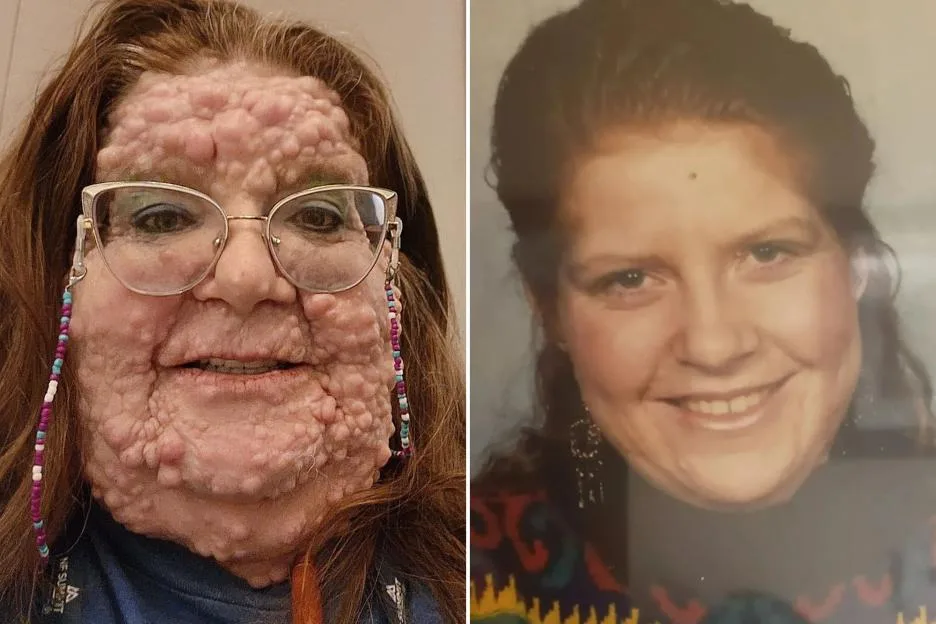
MERCEDES Christesen has more than 200 tumours all across her body due to a rare genetic condition.
A grandmother, she’s had trolls compare her appearance to the Black Death and slam her for having kids.
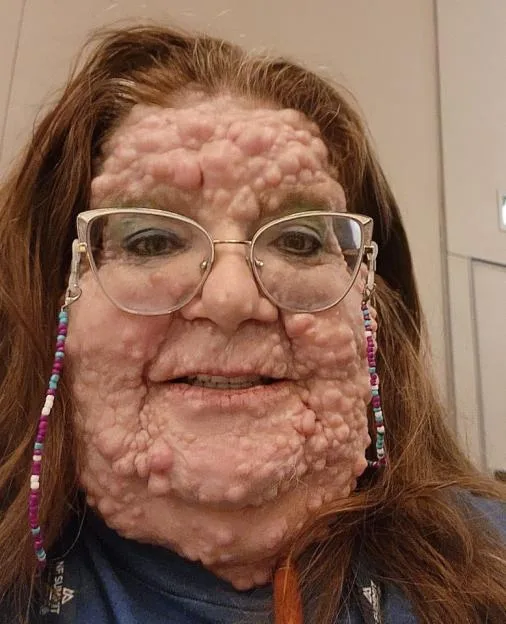
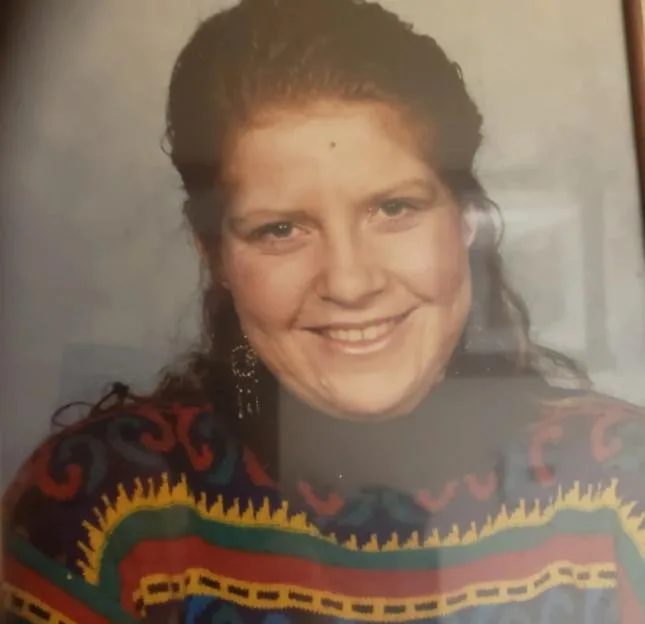
The 55-year-old content creator from Boise, Idaho, has (NF1), a rare genetic condition that causes tumours to grow along nerves.
Some people may get no symptoms for the condition at all.
Others, like Mercedes, can develop lumps under the skin called neurofibromas, which can be painful or itchy – typically during teenage years or early adulthood.
Mercedes was diagnosed with the condition at 19, though she wasn’t told it was genetic.
At the time she only had four or five tumours – now, the gran estimates she has over 200 across her body, including her face.
She said the growths began multiplying after the birth of her eldest child Yana, 28.
“I used to have gorgeous skin other than ,” Mercedes said.
“The tumours started popping out rapidly after giving .”
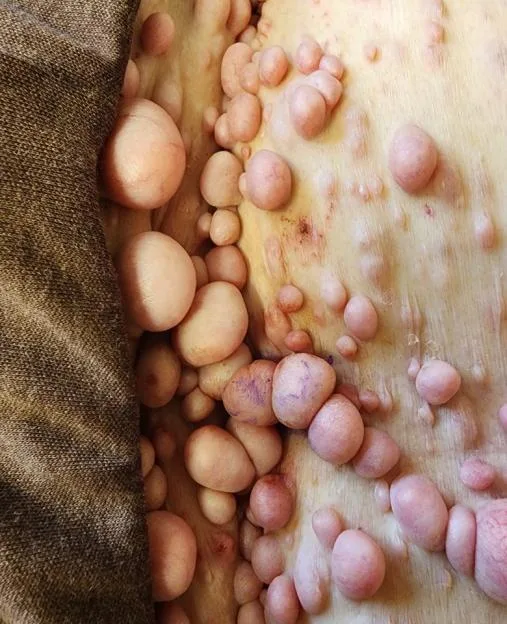
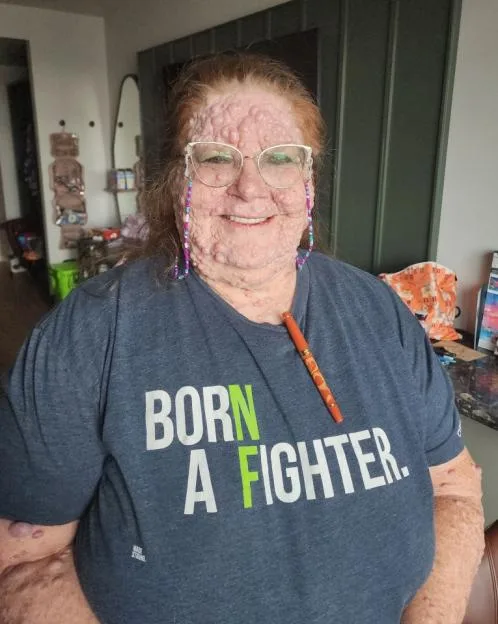
Both her daughters, Yana and Debbie, 26, whose name has been changed as she wishes to remain anonymous, have NF1.
Mercedes also has four grandchildren – three boys and one girl – two of whom have inherited the altered gene that causes the condition.
Now an avid TikToker, known as @hurricanemercedes1, Mercedes faces cruel online comments that go beyond her appearance, which blast her choice to become a mum.
But she is quick to shut down suggestions that she shouldn’t have had a family simply because she has a genetic condition.
“Disabled people, people with genetic conditions, have every bit as much right to have children as so-called normies,” Mercedes stated.
The 55-year-old has also been compared to an “ancient medieval peasant” with the Black Death.
“Well, you’re talking about the bubonic ,” was Mercedes’s matter of fact response.
While the plague is incredibly contagious, NF1 is not, as it’s passed on through genes.
What is neurofibromatosis type 1?
Neurofibromatosis type 1 (NF1) is a lifelong genetic condition that causes tumours to grow on nerves and skin.
It is caused by an altered gene, which may be inherited or occur without a family history.
The tumours are usually non-cancerous, but may cause a range of symptoms.
A parent with NF1 has a 50 per cent chance of passing the affected gene to a child in each pregnancy.
There is currently no cure, but treatments can help manage symptoms and complications, including surgery or medicines for certain tumours.
The NHS recommends at least annual check-ups to monitor symptoms and identify changes.
Symptoms tend to develop gradually over the years and their severity varies from person to person.
They may include:
- Light brown patches of skin (café-au-lait spots) – these may be harder to see on brown and black skin
- Freckles in your armpits or around the tops of your legs
- Lumps on or just under your skin (neurofibromas) that can be painful or itchy – these tend to appear during the teenage years or early 20s
- Yellow-brown raised dots on the coloured part of your eye (iris) that do not usually affect vision
- Eye problems, such as a squint, reduced vision, or a bulging eye (which can sometimes cause further symptoms like headaches or feeling and being sick)
- A large head and below average height
- Learning difficulties
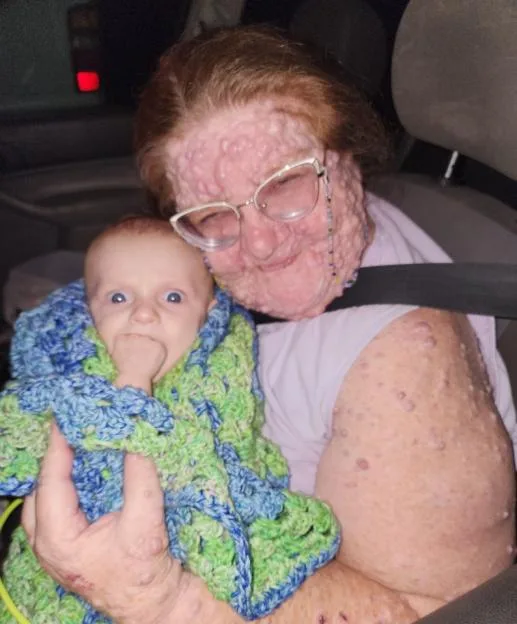
Mercedes was the first person in her family to be diagnosed with the condition, which she describes as “a spontaneous occurrence”.
“When I was diagnosed at 19, the doctor who diagnosed me did not tell me it was genetic,” she said.
“He did not tell me how serious it could be.”
She says she had just four or five tumours at the time, which doctors described as nothing serious.
Now, Mercedes has tumours inside her body too.
“My uterus was filled with neurofibromas about the size of golf balls,” she said.
The gran, who has been married to her husband Rodney, 60, for 16 years, has considered getting her tumours removed.
She says “it can be very cost prohibitive even if you have “, as the procedure would need to be classified as medically necessary.
She later felt guilty when her daughters were diagnosed because she had not understood the risk of passing NF1 on.
“Yana got more tumours faster than I did,” she said.
But she doesn’t stand for people questioning her right to become a parent.
“Because there’s a chance that it could be passed on, does that mean that all people with genetic issues should not have children?” she asked.
“I don’t believe in eugenics.”
Mercedes also defends Yana’s decision to start a family.
“My daughter made the decision to have kids because she wanted to be a mama,” she said.
Though she doesn’t reveal her grandkids’ names, Mercedes shares some of her family’s experiences with NF1 online.
One of the babies, referred to as baby Z online, has developed symptoms typical of the condition – light brown skin patches known as café-au-lait spots.
But the other, baby S, hasn’t shown signs of the condition yet.