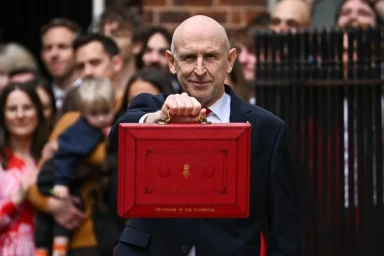
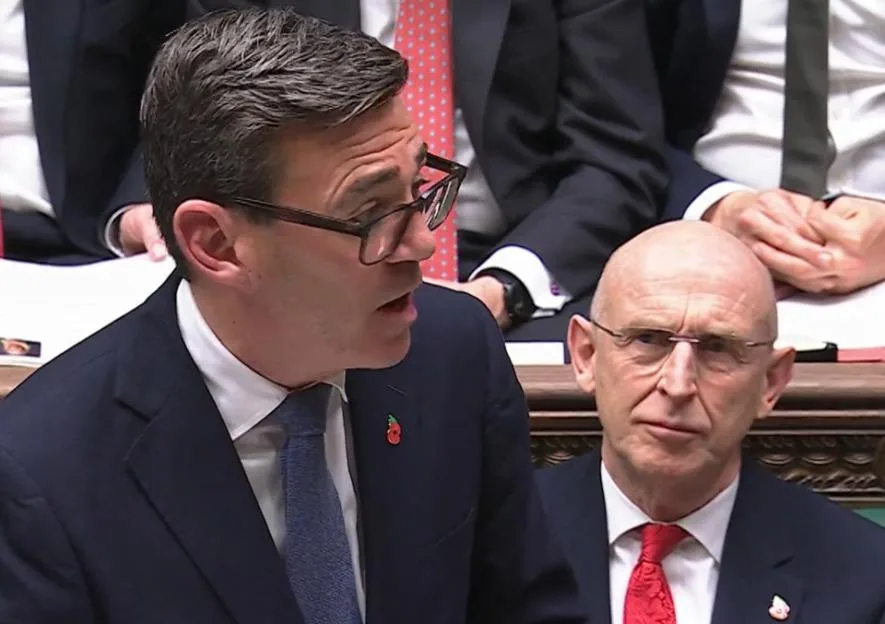
JOHN Healey insists he is not ducking the tough decisions but yesterday’s Budget left Andy Burnham with an ever-growing list of problems still waiting to be tackled.
From welfare and defence to North Sea oil and gas and , some of Britain’s biggest questions have once again been left for another day.
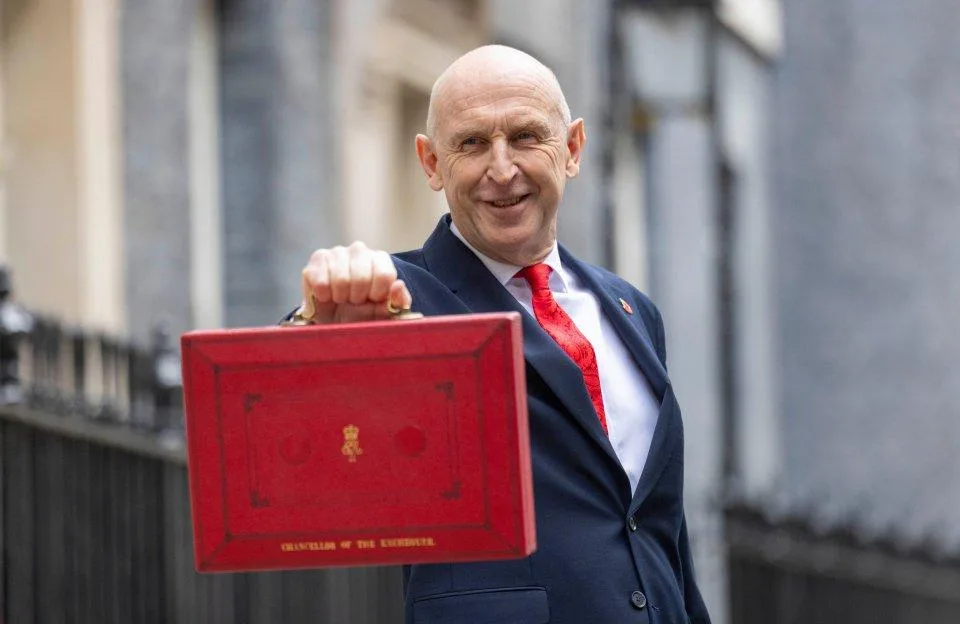
And the longer the Government waits, the bigger the bill threatens to become.
Take Britain’s ballooning benefits bill, which is forecast to hit a staggering £353billion this year before climbing to £431billion by 2031-32.
The Chancellor insisted he was already taking action, telling GB News: “Those are changes we’re making now.”
He also promised there would be a “reduction in the benefits bill” before the next election, insisting it was “simply not good for Britain or progressive to have a bigger and bigger benefits bill”.
But he ruled out “crude cuts”, while the Government’s next major reforms must first wait for two reviews next month, a White Paper early next year and legislation later in 2027.
It could leave Britain waiting another year for meaningful changes while the welfare bill keeps climbing.
And it is hardly the only big decision being kicked down the road, with the details of how Britain will meet its defence spending pledges also postponed until next year’s Spending Review.
The fate of the Rosebank oilfield remains undecided while ministers are still with controversial plans to make migrants wait 15 years for permanent settlement.
Mr Burnham wants to bring the public with him on difficult decisions rather than rush into reforms and there is something to be said for getting the big calls right.
But the Office for Budget Responsibility has warned that Britain’s debt risks becoming unsustainable without action, while the Institute for Fiscal Studies says yesterday’s Budget has delayed tough choices.
In other words, the luxury of taking more time is becoming increasingly expensive and ordinary Brits may be the ones left picking up the tab.