PREGNANT women and under fives should avoid runny eggs when eating out over the deadly risk of salmonella, health chiefs warned today.
The Food Standards Agency (FSA) said vulnerable groups, including under fives, over 65s, pregnant women and those with conditions should avoid them as well as freshly-made products that could contain uncooked eggs, such as mayonnaise, souffle and hollandaise sauce.
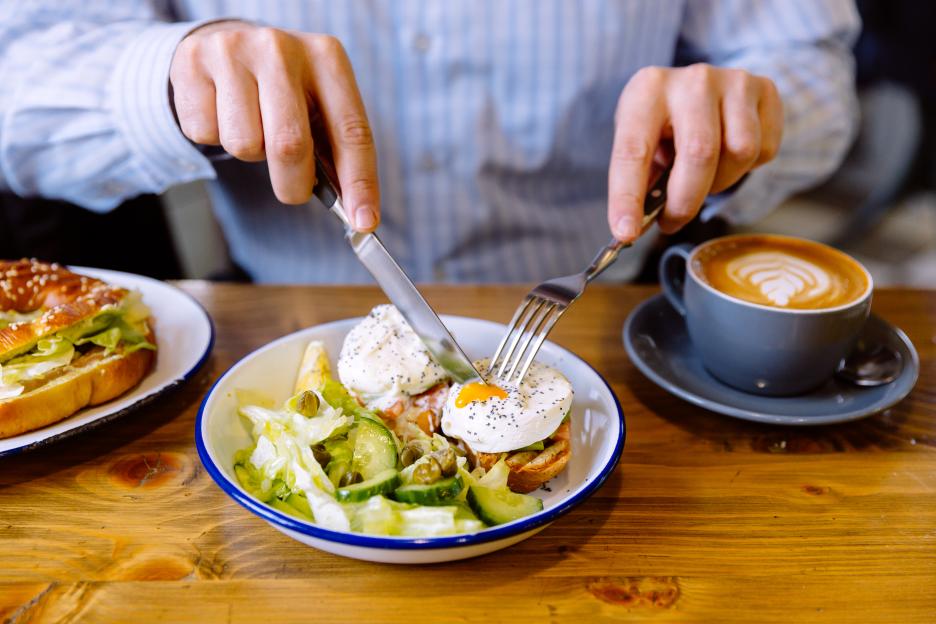 The Food Standards Agency said vulnerable groups should avoid runny and undercooked eggs Credit: Getty

Well-cooked eggs, however, in and cafes are fine to eat.
It comes amid a national salmonella outbreak that has already claimed the life of one Brit and sickened more than 200 adults and children.
The UK Health Security Agency (UKHSA) said it had detected 207 cases, as of August 13, which it believes “may be linked to eggs imported from outside of the UK”.
The nasty bug that clears up in days.
However, it can be fatal among those who are more vulnerable.
More than a third of people affected (38 per cent) by the outbreak have been admitted to hospital, with two people developing potentially life-threatening blood stream infections, the UKHSA warned on Tuesday.
FSA chief scientific adviser Ian Young told the BBC today: “If people are eating out or consuming eggs or egg-containing products from cafes and restaurants then for those people in particular who are young, elderly, pregnant or vulnerable, it’s important to make sure that any eggs or egg products that you consume in those settings have been very well cooked.”
But he added that it was perfectly fine for people to buy British eggs from supermarkets as chickens bred in the UK are vaccinated against common strains of salmonella.
He also said the outbreak was “unusually large and rapidly increasing”.
Of the 207 known cases, 199 are in , six are in , while and have reported one case each.
The regions in England with the highest number of cases are London, where 47 cases were confirmed, and Yorkshire and Humber (38).
People affected include babies and people as old as 90.
Salmonella infections are typically , including poultry, meat, eggs, raw fruit and vegetables, as well as unpasteurised milk products.
Infection can also occur through close contact with infected people and by cross-contamination in the kitchen, for example when utensils are used for both cooked and uncooked foods.
Nick Allen, chief executive of the British Egg Industry Council said: “It is deeply concerning that imported eggs are once again under scrutiny in connection with a serious Salmonella outbreak.
“We have repeatedly raised concerns about the risks associated with imported eggs and egg products with Government.
“British Lion egg producers have invested heavily in world-leading food safety controls, including mandatory Salmonella vaccination, traceability and independent auditing, yet increasing volumes of imports produced under less stringent regulations continue to arrive.
“There must be a level playing field. Imported eggs and egg products entering the UK should meet standards equivalent to those expected of British producers if we are serious about protecting British consumers.
“Food businesses and caterers should not have to compromise on food safety when sourcing eggs.
“Consumers and businesses can look for the British Lion mark as a clear sign of assurance.
“British Lion eggs are recognised by the Food Standards Agency as safe to be served runny or even raw to vulnerable groups.”
On average, it takes from 12 to 72 hours for the symptoms to develop after swallowing an infectious dose of salmonella.
They usually last for four to seven days and most people recover without treatment.
But if you become seriously ill, you may need hospital care because the dehydration caused by the illness can be life-threatening.