BRITAIN invented a world-beating Covid test but thousands died because we were too slow to use it, the pandemic inquiry ruled today.
Its latest report praised Public for developing the “gold standard” PCR test by January 2020, before the first UK case.
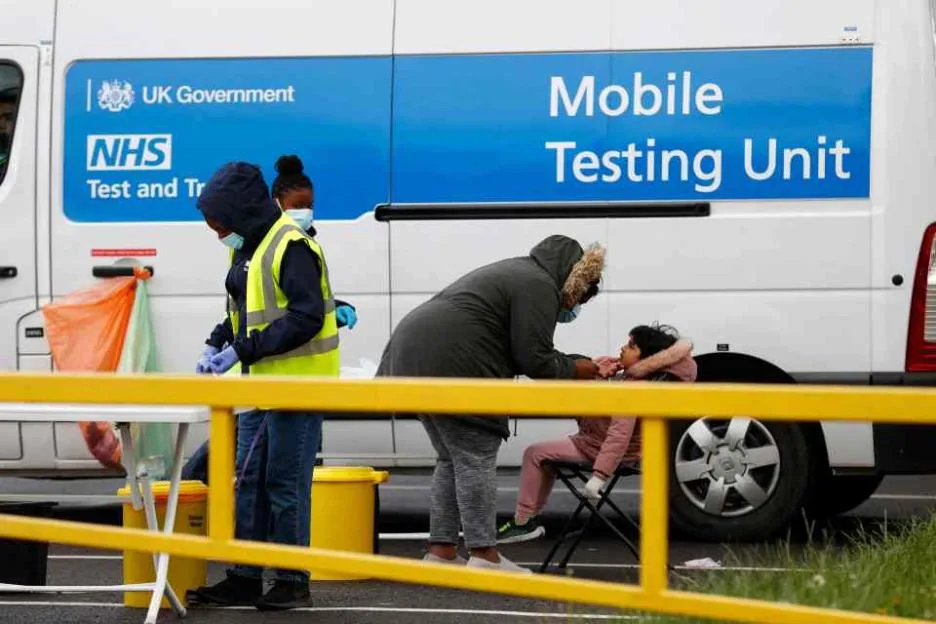

But the bug later spread “with deadly speed, virtually unchecked” because labs could not swab people fast enough.
Weak efforts to close international borders were also a “critical gap in the UK’s ability to limit the spread of the virus”, it said.
Pre-prepared strategies would have avoided lockdowns and saved lives, the UK Covid-19 Inquiry said.
Better equipped countries including and Singapore had lower death rates.
The seventh report, examining the test, trace and isolate systems, was published on Thursday.
Chair of the inquiry, Baroness Heather Hallett, said: “When Covid-19 arrived in January 2020 the was simply not prepared.
“UK governments did not have the systems, infrastructure or capacity to respond effectively.
“For the first three months of the , Covid-19 spread across the country virtually unchecked.
“Too many lives were cut short.
“Some are still living with the devastating consequences today.”
The 260-page report admitted the testing and tracing technology developed in the UK worked well, thanks to an “extraordinary” £25billion spend.
Our scientists developed a PCR test within weeks by adapting an old test to detect the genetics of the new virus.
This meant we were “at the forefront of Covid-19 diagnostic capability internationally”, it said.
But the cold start left laboratories unable to test people as fast as the virus could spread.
Professor Sir , chief medical officer, called this a “great weakness”.
Britain’s slow rollout left us unable to follow World Health Organization advice to “test, test, test”.
At the end of January the UK could only conduct 400 tests per day, increasing to 2,000 per day by mid-February, then 11,000 per day in mid-March.
The report said such low numbers meant any attempt to stop the virus was “doomed to fail”.
By the height of the wave over 2021 the country was testing more than 500,000 people per day.
Contact tracing with the help of the NHS app also helped control the virus but not until later in the outbreak.
The inquiry said: “While the UK eventually constructed a highly successful and widespread test, trace and isolate network, the fact that building such a vast operation started almost from scratch and during a crisis meant it arrived too late.”
Lady Hallett added: “My overarching recommendation in this report is that the UK governments must formulate a comprehensive and adaptable test, trace and isolate system, capable of being deployed at the outset of any future pandemic.”