A MUM has shared the heartbreaking story of how her son’s headaches turned out to be the sign of an aggressive brain cancer that took his life.
When George Fox was 12, he started experiencing headaches and vomiting and doctors initially believed he was suffering from migraines.
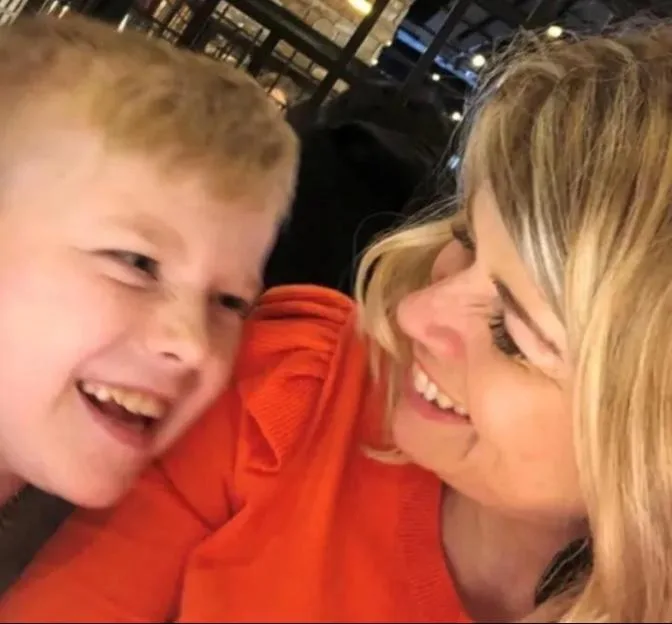
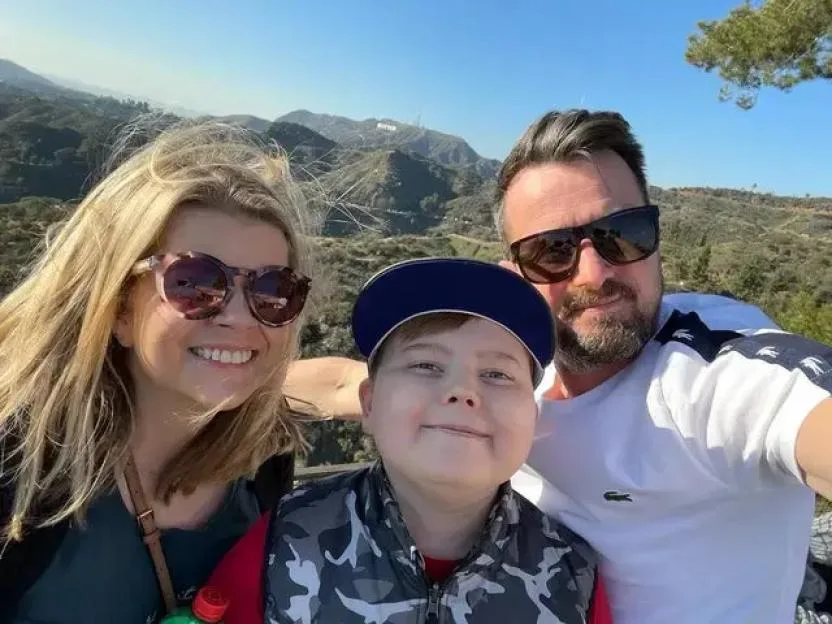
But when his symptoms persisted, his parents took him to A&E multiple times and doctors eventually booked him in for a MRI.
Sadly, doctors discovered a six-centimetre tumour in his brain and George had to undergo a 10-hour surgery to remove “nearly all of the tumour”.
The surgery went well and George’s parents said he had “bounced back” afterwards.
But less than a month later, the family were given the devastating that George had a glioblastoma – a fast-growing, cancerous brain tumour – and that he had a “0 per cent chance of survival”.
George received the diagnosis in May 2021 and by April 2022, the teen had tragically passed away at just 13-years old.
Glioblastomas are aggressive brain tumours that have an average survival time of just 12 to 18 months, according to the Brain Tumour Charity .
Around a quarter of glioblastoma patients survive for more than a year after diagnosis while only 5 per cent survive for five years or more.
Statistics from Brain Tumour Research show that brain tumours kill more children and adults under the age of 40 than any other cancer.
Symptoms include headaches, being sick, seizures, difficulty walking, blurred vision, changes in behaviour or personality and difficulty speaking.
Around 3,200 people are diagnosed with glioblastoma each year and the tumours are very complex to treat.
is one well-known figure who from glioblastoma less than two years after his diagnosis at the age of 33.
The dad-of-two left behind two children who he shared with his wife, the actress and blogger Kelsey.
During his battle with the cancer, Tom said he was shocked at the lack of treatment and funding for brain cancer patients in the UK.
In George’s case, his parents first believed something was wrong after he got a headache out of the blue in April 2021.
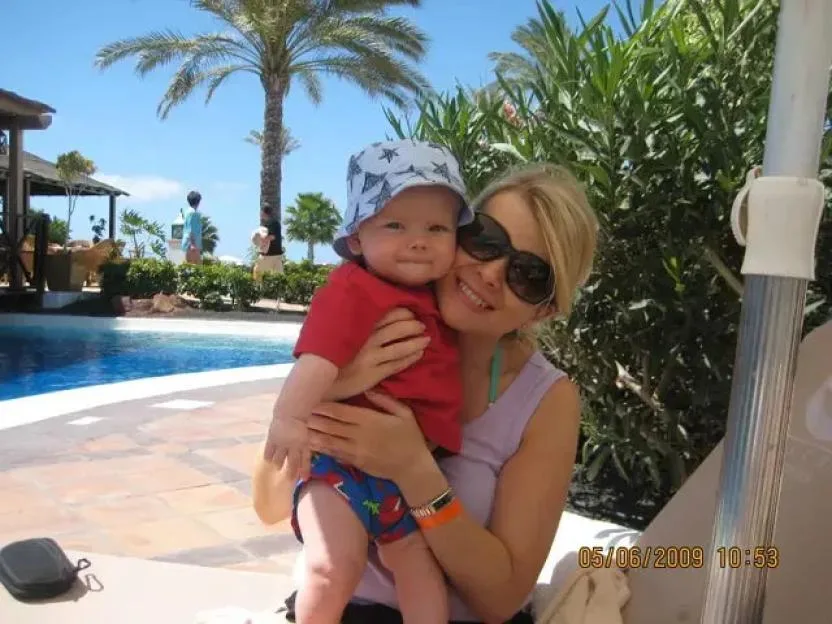
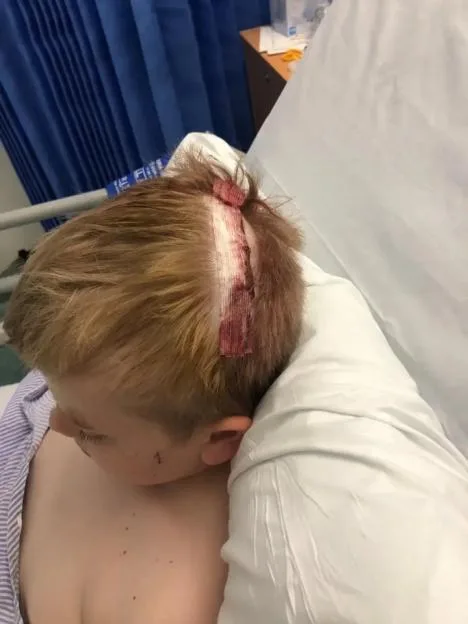
The otherwise-healthy 12-year-old was taken to the opticians and the doctors with medics believing he was suffering from “some kind of hormonal headache”.
When he began vomiting a few weeks later, however, his parents thought something more serious was wrong.
Louise, 52, said: “That was quite a red flag to us. We have friends that had lost a child to a brain tumour previously, and I knew that was one of the symptoms.
George was taken to A&E four times that month and it was there that his brain tumour was discovered.
He had a 10-hour brain surgery to remove the tumour at the end of April but was sadly diagnosed with glioblastoma in mid-May.
Speaking about the devastating news, Louise said: “They told us he had a 0% chance of survival, and that he had 12 to 15 months to live.
“There was no cure, just to go make memories, basically,”
George was offered six months of radiotherapy and chemotherapy but according to his mum, doctors warned “the chemo won’t work, but we haven’t got anything else to offer, so we might as well just try it”.
By the time he started his radiotherapy five weeks later, however, his tumour had fully grown back and doctors reduced his prognosis to just six months.
His mum said: “We started crowdfunding, and we took George to in October 2021 for immunotherapy, which obviously wasn’t proven – we would try anything at that point.
“George wanted to try everything and anything. The tumour then grew back again, and on his 13th birthday he had massive seizures at his own birthday party, and we got blue-lighted to Great Ormond Street where they told us it was back in full again.
“There was nothing else they could do.”
George had to undergo another brain surgery to remove the tumour again and was then accepted onto a clinical trial in .
He and his family set off for this treatment in January 2022 but unfortunately, George started having seizures on the flight and was given steroids, which made him ineligible for the trial.
After two further brain surgeries in Los Angeles – one to fit a shunt to drain fluid and relieve intracranial pressure, and one to remove the tumour – he arrived home at the start of February.
His oncologist at Great Ormond Street tried “one last drug” to try to extend his life but sadly, George died aged 13 on April 12 2022.
Speaking about her son’s death, Louise said: “It’s been hideous.
“Nothing can ever really prepare you for this. It’s every parent’s absolute worst nightmare, and I think what has hit us the hardest is finding out that brain cancer kills more children than any other cancer.
What are the symptoms of glioblastoma and how soon do they show?
lioblastomas are the most common brain tumour in adults, while also being very aggressive and deadly.
Brain Tumour Research says tumours increase pressure in the skull, causing headaches.
Symptoms to look for are:
- Headaches
- Loss of appetite
- Nausea and vomiting
- Loss of balance
- Mood swings
- Problems speaking
- Problems with memory or concentration
- Seizures
- Impaired vision
The can initially be quite non-specific, meaning they could be mistaken for lots of other conditions- even stress or a hangover.
The brain controls so many different functions that symptoms can vary greatly depending on where in the brain the tumour is.
Glioblastomas are very fast growing. Once found, experts can see them double within seven weeks.
But, according to Dr Stephen Bagley, assistant professor of medicine at Penn Medicine , the first spark of glioblastoma in the brain remains something of a mystery to medical experts.
One study concluded that a glioblastoma starts growing 330 days on average – almost a year – before a diagnosis.
Another found that there are changes in immune function up to five years before a diagnosis, with markers in blood samples – but symptoms only occur three months prior.
“I felt quite angry that George should have still been here.
“It just didn’t cross my mind that in this day and age, there would be something that they couldn’t cure our beautiful children of, our children that want to grow up.
“George had everything ahead of him, and he loved life, and he was a beautiful, kind, brave boy.”
In honour of their son, George’s family began campaigning for awareness of brain tumours and for research and they’ve now raised £178,000 for the Brain Tumour Research.
George’s 18th birthday would have been on November 15 and to commemorate this, his mum wrote him a letter.
She said: “Our biggest fear is that people would move on and forget you, but our beautiful boy, you are still so loved and remembered, and people want to make a difference in your honour.”
And Dr Karen Noble, director of policy and research at Brain Tumour Research said: “George’s story is a powerful reminder of the devastating impact a brain tumour can have, not only on the person diagnosed but on everyone around them.
“One in three children who die of cancer is killed by a brain tumour and only one new treatment for childhood brain tumours has been approved in more than 25 years.
“This is why we urgently need the Government to support an increase in the national investment in research into brain tumours to at least £45 million a year, in order to increase survival rates in line with other cancers such as .”
Average survival time for glioblastoma is between 12 and 18 months, according to the Brain Tumour . Only five per cent of patients survive five years, it says.
The disease killed the Labour politician in 2018 and last year.
In March 2022, The Wanted singer also died following an 18-month battle with stage four glioblastoma.