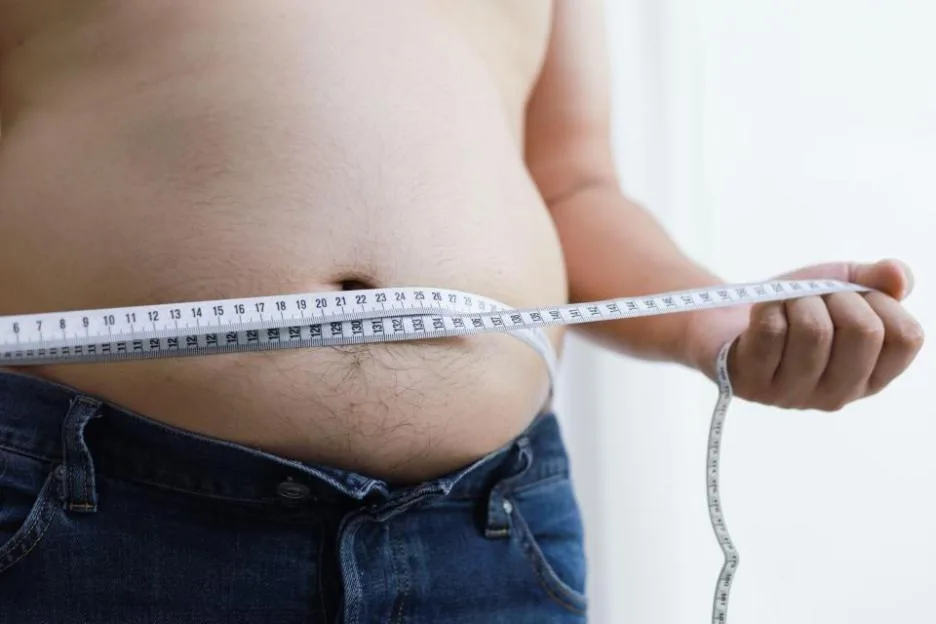
A BEER belly could be a bad back risk, according to a study.
Sufferers were found to have a lower than average ratio of muscle to fat in their torso.
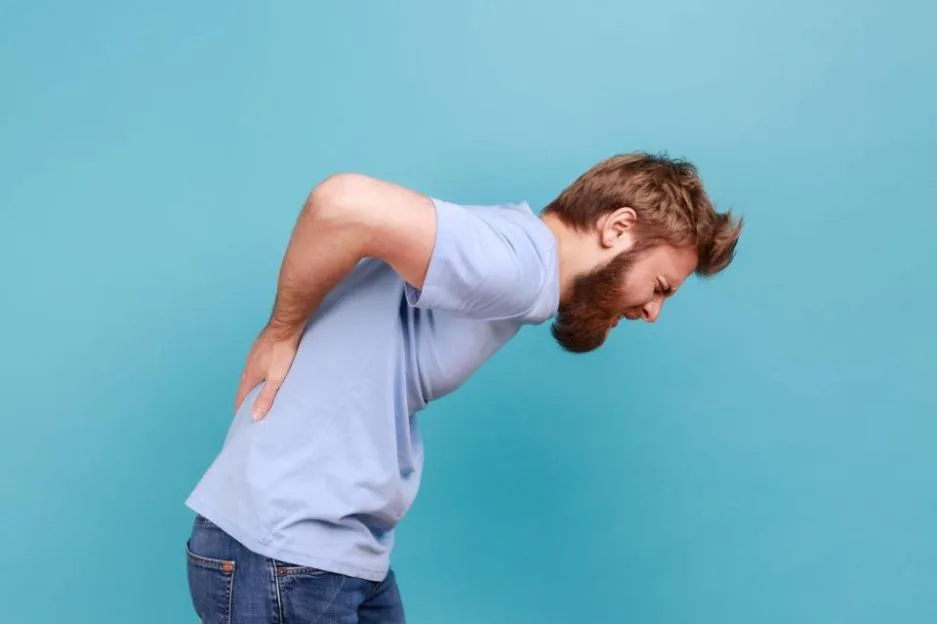
Low back pain is one of the most common ailments in the UK with about one in three adults estimated to have it at any given time.
Scientists at Stanford University in California studied medical records and scans from 23,500 people to test the popular theory that weak core muscles cause .
Results suggest this was not the case, as people with more did not have a significantly lower risk of pain.
However the chance of backache was linked to a person’s fat to muscle ratio.
Between two people with the same amount of ab muscle, the person with more flab was more likely to have , the study found.
Study author Kathryn Marusich, a PhD student, said: “We were surprised that our low back pain group did not have less overall muscle.
“This finding doesn’t dismiss muscle as unimportant but it does underscore the complexity of .”
The research does not prove belly size is a cause of back pain but suggests it is more common in people with more torso fat.
Writing in the journal PLOS Digital Health, Ms Marusich added: “Our findings are consistent with one theory that the link between and low back pain is altered body mechanics and loading of the spine.”
It suggests carrying extra weight or the internal pressure of bulging fat raises injury risk.
The says back pain is very common and rarely serious.
Between three and seven per cent of adults are thought to have long-term pain that they struggle to shift.
Up to 80 per cent of people experience it at some point in their lives, the health service says.
Advice published by the Leeds Community Healthcare NHS Trust says: “Weak ‘core’ muscles do not cause back pain.”
For minor cases the NHS recommends staying active with exercise and stretching, trying for short-term help, and experimenting with heat and ice packs.
Professor Donal McNally, from the University of Nottingham, was not part of the study but commented: “This is a very large study that can observe very small effects.
“I think that this falls into the real but unimportant category, and there are other, better reasons for lowering levels of fat.”
Prof Tamar Pincus, of the University of Southampton, added: “It is a tiny effect and the causal link could go either way.”
What the location of your back pain really means
BACK pain is a common affliction that affects millions of Brits.
Aches and pains might feel like an everyday part of life, but where they occur might indicate a more serious problem that requires attention.
The location of your could indicate you are suffering anything from organ problems to .
Abbas Kanani, pharmacist at Online Pharmacy Chemist Click , said there are specific ways to treat each type of back pain, and some may need urgent attention.
He said: “You should also ask for an urgent GP appointment if your back pain is accompanied with a high temperature or if you’ve lost weight without trying to.
“You should also ask for one if there’s a lump or swelling in your back or your back has changed shape.
“If the pain does not improve after resting or is worse at night the pain is made worse when sneezing, coughing or pooing, you should also contact them.
“Ask for an urgent appointment if the pain is coming from the top of your back — between your shoulders — rather than your lower back.”
- Sides – possible causes include kidney problems, pancreatitis, bowel inflammation, womb contraction
- Spine – possible causes include degenerative disc disease, spinal stenosis, arthritis
- Lower back – possible causes include muscle injury, spasms, herniated discs
- Upper back – possible causes include pinched nerves
- Neck – possible causes include misalignment, low flexibility