
AirAsia Says Strong Liquidity Can Weather Jet Fuel Cost Spike
AirAsia says strong liquidity and resilient demand can help it withstand soaring jet fuel costs as the airline refinances debt and adjusts capacity and fares.
 Written byEze Chidiebere Paul
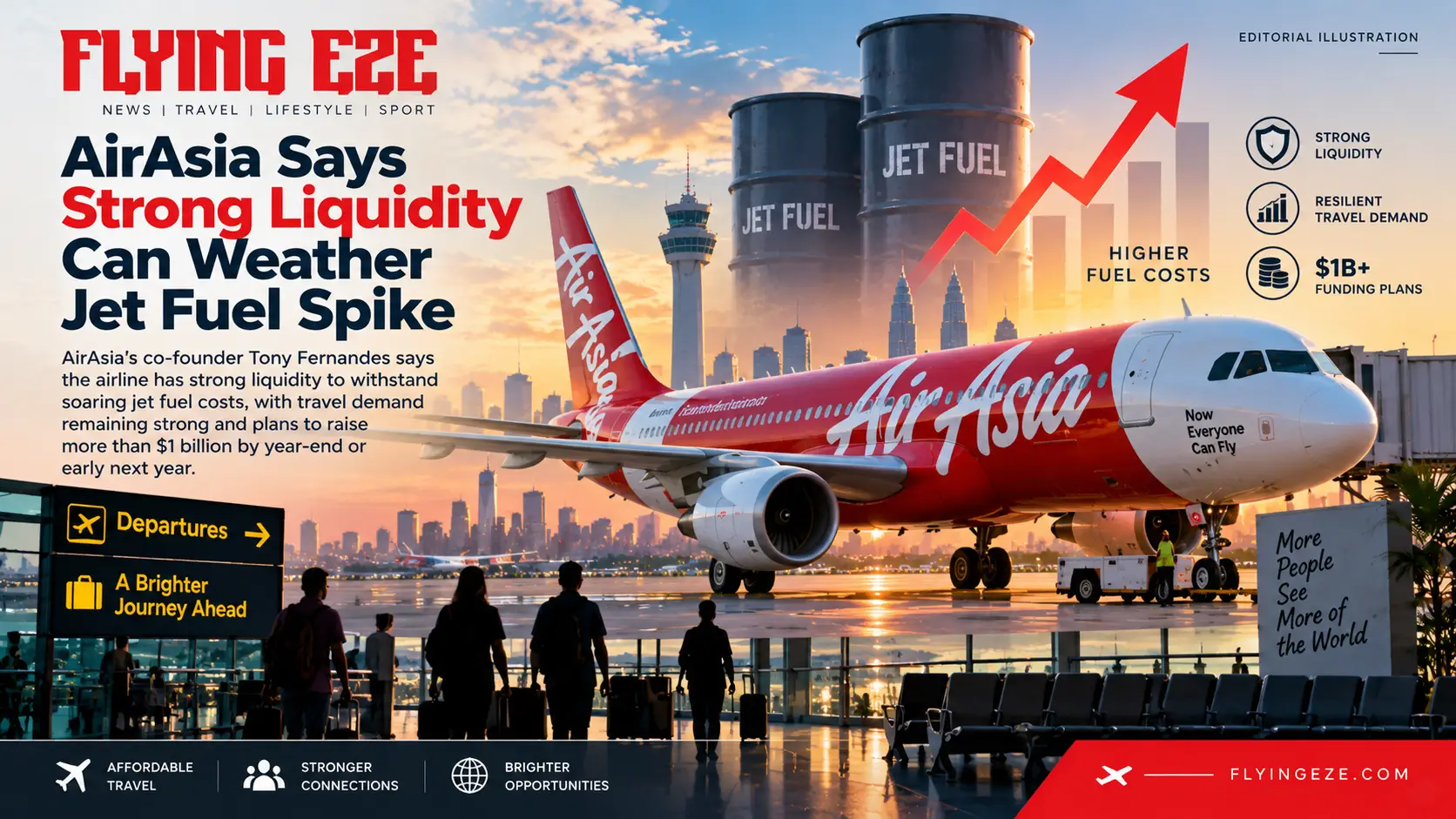
AirAsia says it has enough liquidity to withstand the sharp rise in jet fuel costs that is squeezing airlines worldwide, while travel demand across its network remains resilient.
Co-founder Tony Fernandes told reporters on 18 September that the group is managing cash closely and expects to raise more than US$1 billion by December 2026 or January 2027, with most of the proceeds intended to refinance existing debt rather than fund day-to-day operations.
The comments come as elevated fuel prices have become one of aviation’s biggest financial pressures. AirAsia’s own September business update says it has been adjusting fares, reducing weaker capacity and returning older aircraft as part of a broader effort to protect margins and strengthen its balance sheet.
What AirAsia says about its liquidity
Fernandes said AirAsia has “strong liquidity” and argued that the present pressure is far less severe than the Covid-19 shutdown, when airlines were unable to operate large parts of their networks. The key difference now, he said, is that passengers are still travelling and demand remains strong.
Reuters reported that AirAsia plans to raise more than US$1 billion by December or January, mostly for refinancing. The airline has also been discussing financing with banks and other institutions.
AirAsia’s official 2 September clarification said its capital-raising plan includes up to US$1 billion from international debt markets and RM700 million in local credit facilities. The company said those funds are primarily intended for debt restructuring, refinancing and balance-sheet consolidation.
Fuel costs are forcing operational changes
Higher jet fuel prices are affecting airlines far beyond AirAsia. Reuters reported separately on 18 September that fuel and borrowing costs have overtaken aircraft shortages as the biggest concern among many aviation financiers.
AirAsia said in its latest business update that it has used dynamic pricing and non-fuel cost controls to offset part of the increase. The group also reduced capacity during the seasonally weaker third quarter and is preparing to restore more flying for the year-end peak where demand supports it.
The airline has returned 25 older, less fuel-efficient aircraft under what it described as favourable commercial terms. That reduces fixed lease costs while accelerating a move towards a more efficient narrow-body fleet.
Why strong demand matters
Fuel is one of an airline’s largest variable costs. When prices rise quickly, carriers typically have several options: raise fares, reduce marginal routes, improve aircraft utilisation, cut other costs or use hedging where appropriate.
Those measures become easier to sustain when passenger demand remains healthy. Fernandes said forward bookings are strong, giving AirAsia more room to adjust pricing without immediately sacrificing large amounts of traffic.
That does not eliminate the financial risk. Higher fares can eventually weaken demand, and refinancing becomes more expensive when borrowing costs are also elevated. The airline therefore has to balance revenue recovery with affordability in the price-sensitive markets that underpin its low-cost model.
AirAsia rejects bailout speculation
Fernandes also rejected suggestions that AirAsia is seeking a government rescue. His briefing followed reports that Malaysian authorities had explored contingency scenarios with rival airlines while monitoring AirAsia’s financial position.
The company’s position is that its fundraising and restructuring are commercial measures designed to improve its capital structure, not a request for a state bailout.
What passengers should watch
For travellers, the most visible effects of prolonged high fuel prices are likely to be changes in fares, frequencies and route economics rather than an immediate collapse in demand.
AirAsia has already signalled that it will continue adjusting capacity towards routes with stronger returns. If fuel remains expensive, passengers may see further fare increases or fewer flights on weaker routes, while popular year-end services could still receive additional capacity.
The wider aviation picture
AirAsia’s challenge reflects a broader shift across the airline industry. After several years in which aircraft and engine shortages dominated planning, airlines and lessors are increasingly focused on the combined impact of expensive fuel and higher financing costs.
Strong travel demand provides a buffer, but carriers with heavy debt or thin margins have less room to absorb prolonged cost increases. AirAsia’s refinancing progress, cash generation and ability to pass some fuel costs through to fares will therefore be important indicators over the coming months.
Sources
Continue reading
Jet Financiers Say Fuel and Borrowing Costs Now Eclipse Aircraft Shortages
Jet financiers say soaring fuel and borrowing costs have overtaken aircraft shortages as aviation’s biggest concern, reshaping airline and leasing risks.
Nigerian Airlines Challenge NCAA’s August Flight Delay Data
Air Peace, United Nigeria and ValueJet are challenging NCAA’s August 2026 flight-delay data, raising questions about flight counts, delay causes and passenger rights.
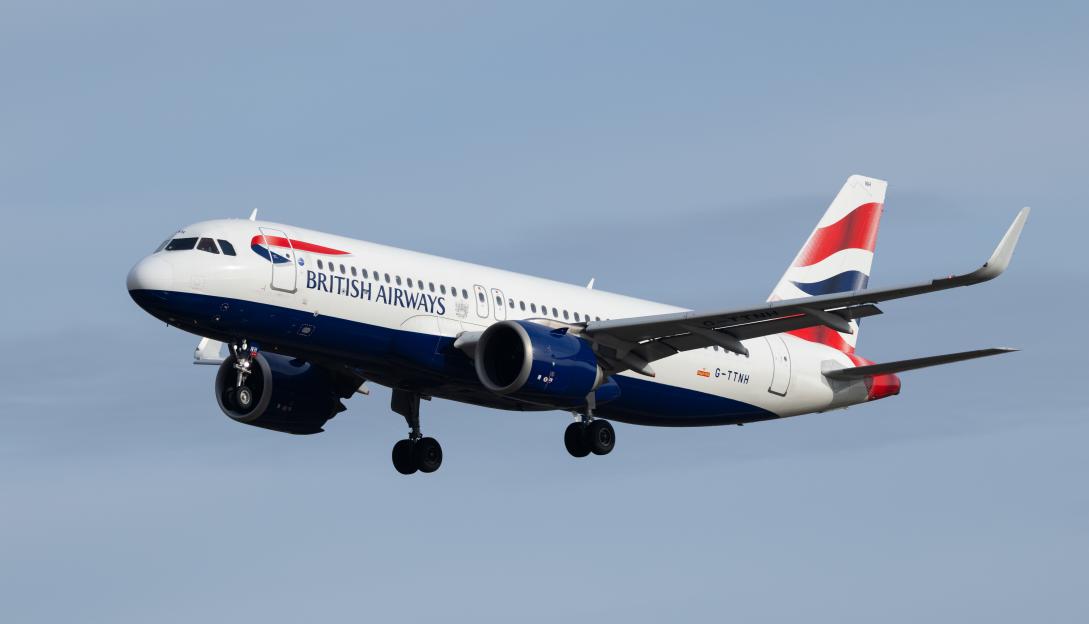
British Airways reveals new flights to bucket-list beach & safari spots – 14 years after they first launched
LOOKING for your next big holiday? Look no further as British Airways has revealed a major update to its summer 2027 schedule with flights to TWO East African d...

Best UK garden centres for family days out – with arcade games, FREE soft play, fairgrounds… and even a beach
FANCY a fun day out at the garden centre, but need something a little more exciting than just bulbs and shrubs to keep the kids occupied? These 10 garden centre...