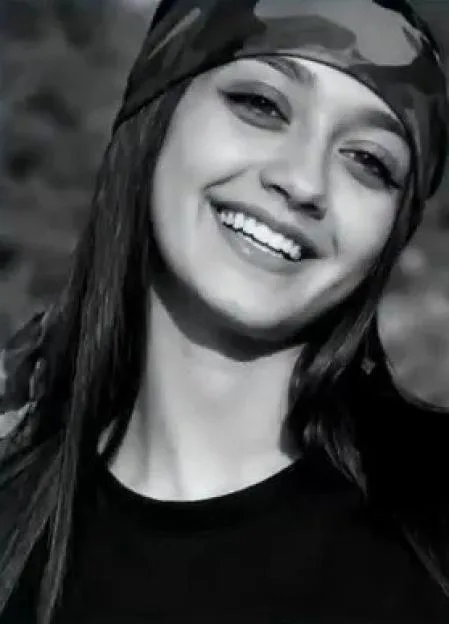
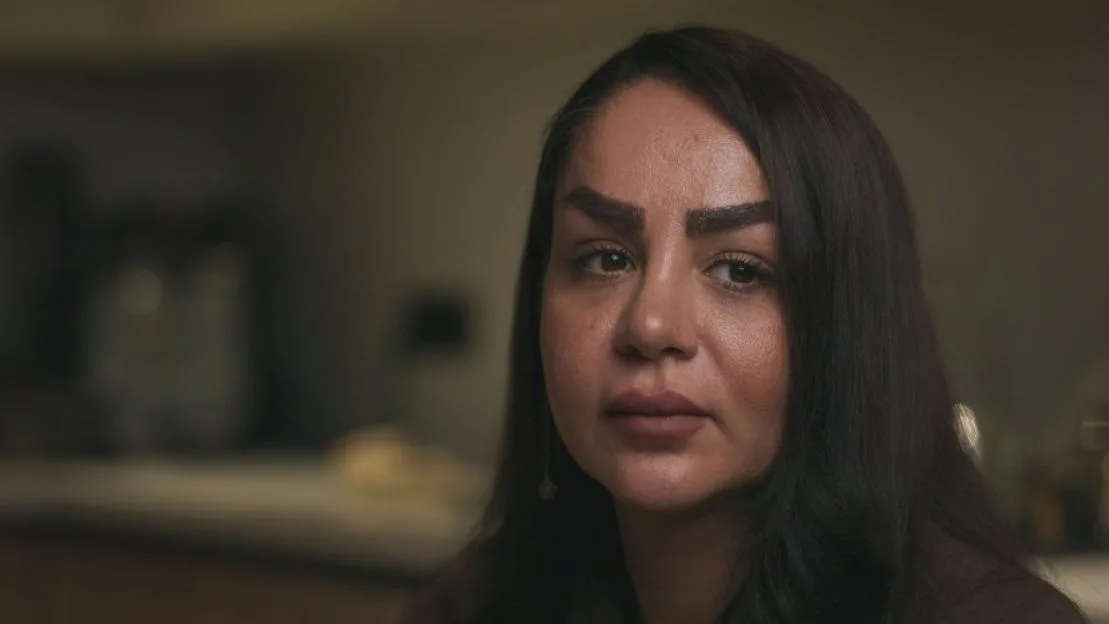
SAMIRA started the year full of hope about what it could bring for her only child, 16-year-old Sevda.
Both lived in , Samira working in cosmetics sales, while her daughter enjoyed blogging and making content online.
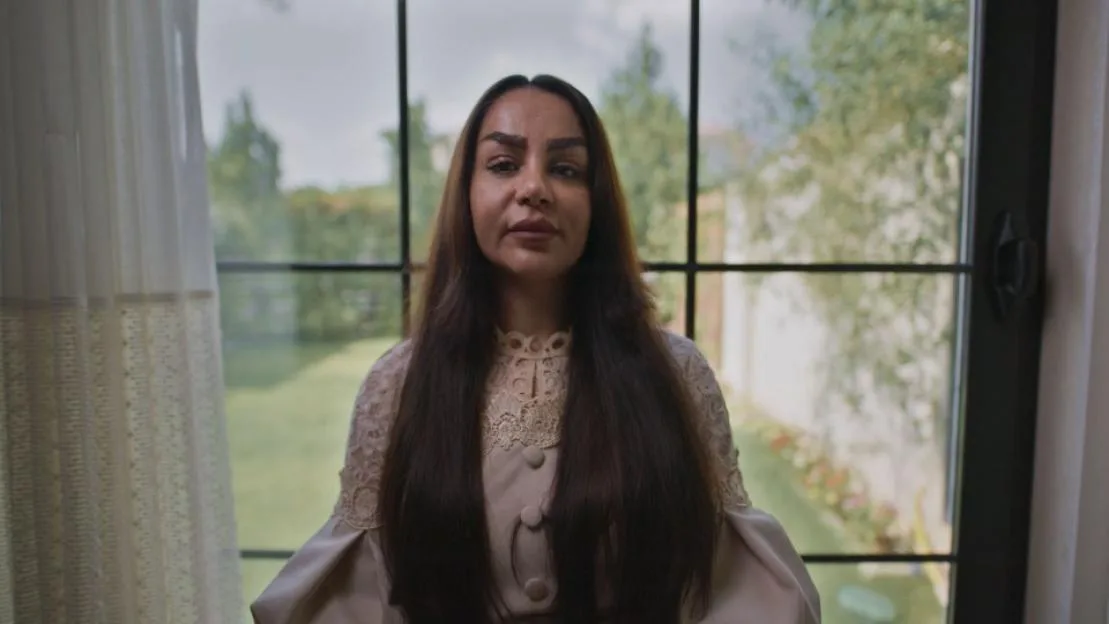
She had no idea that in less than a month Sevda would be dead, and she would soon be living outside the country, in hiding, with a bounty on her head.
Samira is just one of the ordinary Iranians whose story is being told in filmmaker Gesbeen Mohammad’s documentary for .
Following at the start of the year, they have endured both savage crackdowns and a war, and now live under a regime that has never been more determined to keep its grip on power.
Inside Iran, another filmmaker, Siavash, has secretly interviewed people who were there, risking imprisonment, torture or death – but they are determined to speak out.
But at the start of the year, few had any idea of what was to come.
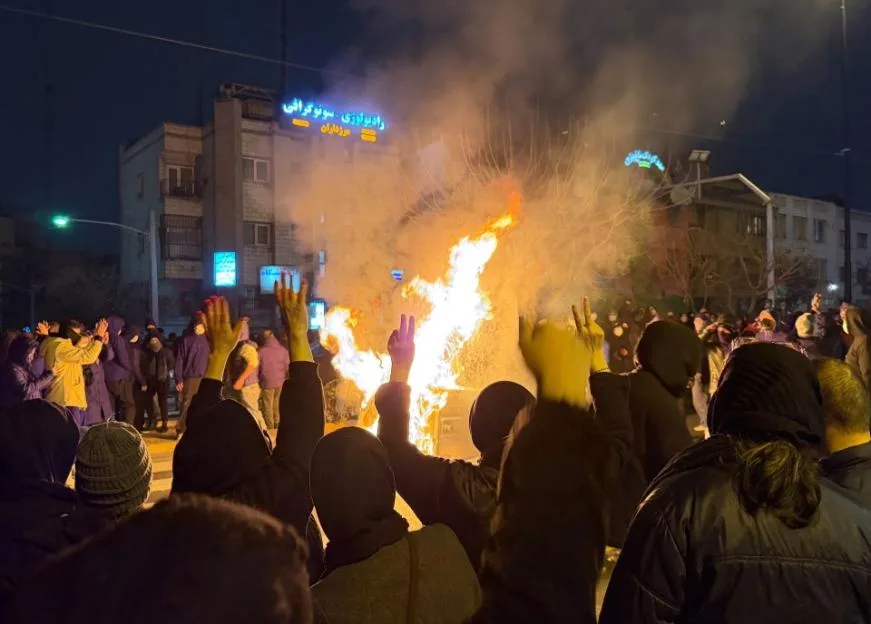
With unemployment high and prices doubling every day, fed up Iranians took to the streets.
“People were fed up. We could no longer remain silent,” said Samira.
It was January 8th. For nearly five decades, Iran had been ruled as an Islamic Republic, under the thumb of a regime that did not take kindly to dissent.
“So many people had come out. We, the people of Iran, just want freedom,” Samira said.
“The security forces had lost control. All the police stations were on fire. We really thought the Islamic Republic was over on January 8th.”
They knew there might be pushback. But no one was prepared for what was about to happen.
Milad – not his real name – was a medic working in a Tehran hospital that night.
“It was after 8pm that the first massive tsunami of patients arrived,” he said.
“I saw hundreds of patients on the night of January 8th. I lose count at the time because of how surreal it was.”
Out on the streets, Mina – again speaking under a false name – was one of the thousands who had come out to demand freedom.
On the 8th, the authorities had used pellet shots to beat back the protesters. On the 9th they were met with bullets.
“What I remember is the sounds of people groaning when they were hit by a bullet,” said Mina.
“Women and children screaming as they fled. Their intention wasn’t to stop the protests and send us home, it was to mow us down.”
In the hospital, Milad was swamped. “I treated old people, middle aged people, teenagers,” he said.
“A massacre is what I witnessed.”
On the outskirts of , Samira and her daughter Sevda went out for the second night of protests.
“We were right at the front. Sevda was chanting and everyone around her repeated her chants. It felt like they were following her lead,” she said.
“Then a sniper shot at Sevda. She came towards me. She tried to breathe but couldn’t and collapsed.
“I couldn’t even scream. I just stared at Sevda lying there lifeless. Blood was gushing out of her mouth and nose but I couldn’t believe she was dead.
“Her eyes kept staring at me. I didn’t want her eyes to close.”
Sevda’s body was taken to a hospital, where doctors and men from the Islamic Revolutionary Guard Corps (IRGC) – the Supreme Leader’s personal army, feared for their brutality – were looking over her.
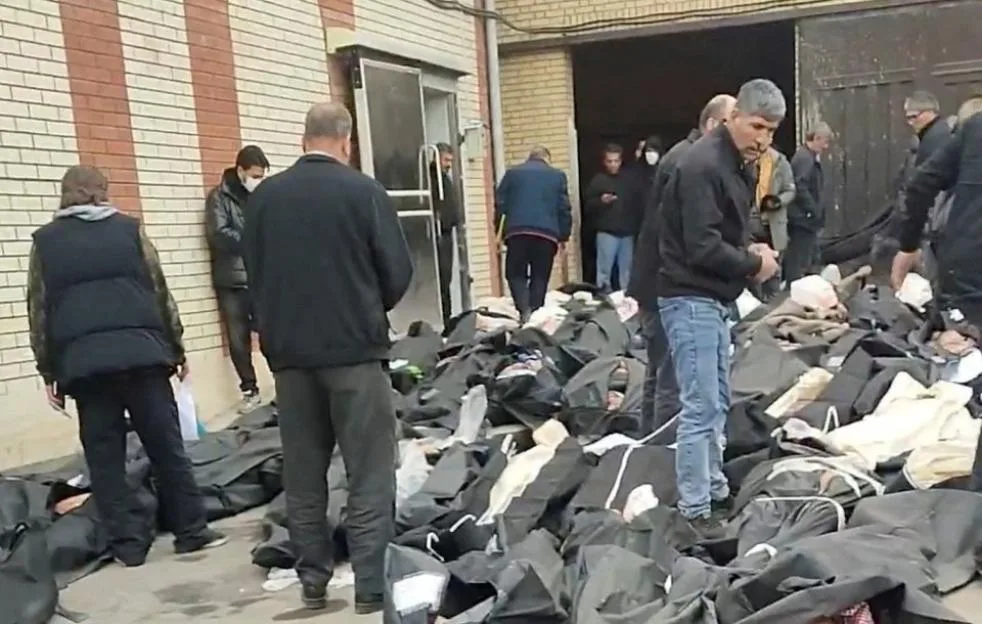
Samira was thrown out. The authorities refused to tell her where her body was, and she was forced to go and search one of the capital’s largest morgues herself where body after body was stacked in black zip bags.
“There was truck after truck. Teenagers, young girls and boys. So many had been killed,” she said.
“I’d never seen so many bodies. We looked for days until we found Sevda’s. Three other bodies were piled on top of her.”
More than 7,000 protests had been killed by the time they had been stamped out in mid-January, according to one human rights group.
After sending undercover agents to Sevda’s funeral, they then tried to drag Samira onto television to say publicly that her daughter had been killed by protestors.
Threatened with punishment if she refused, she fled. After several days of walking through the mountains, and with the help of smugglers, she made it to the city of Erbil, Iraq, on February 27th.
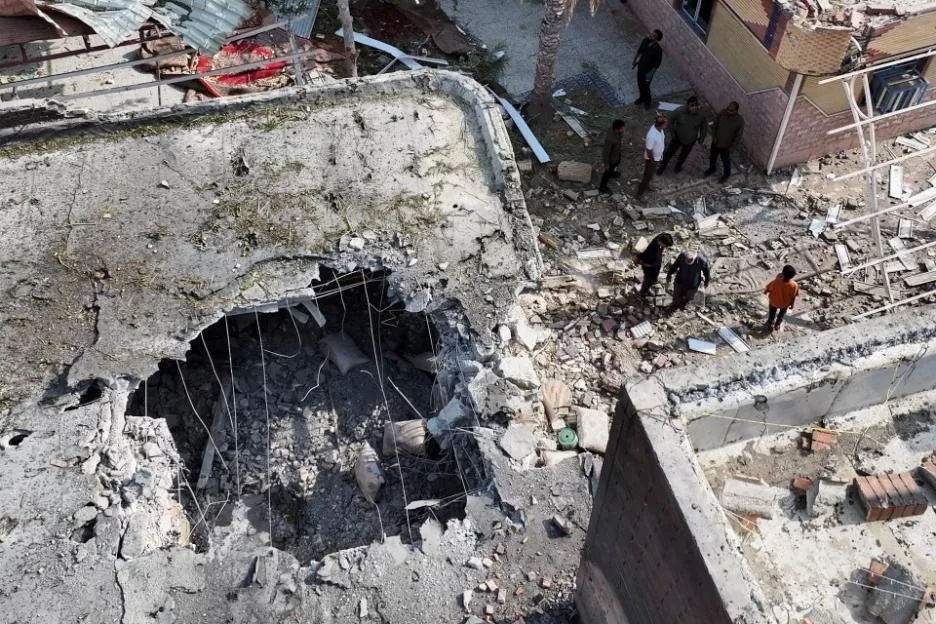
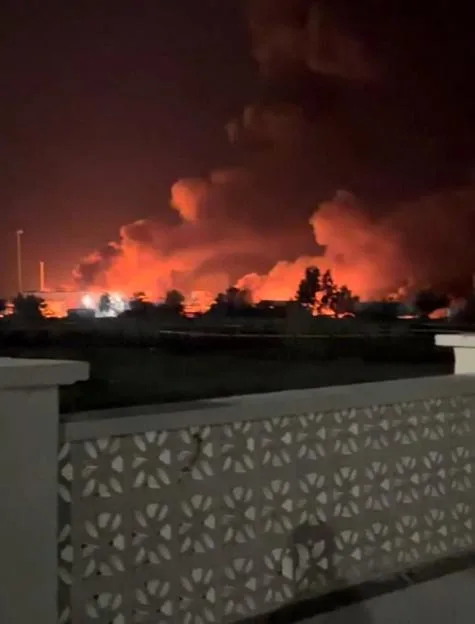
War broke out just one day later when the US and Israel launched strikes against the country, promising to liberate the people from the regime and wipe out its nuclear programme.
But despite killing almost straight away, Iran’s government went nowhere.
Shirin – not her real name – was one of the protestors and was caught up in the bombing.
“Before I knew what was happening, there was a flash of light and the sound of a massive explosion,” they said.
“It took me a long time to work out whether I was alive or dead.
“I came out of the rubble a very different person. I hate both sides – those who have ruled our country for 47 years, and those who attacked our country.”
For many, the war just brought new anxieties.
Hamid, a Kurdish Iranian, had previously been under house arrest for criticising the government when the country was attacked.
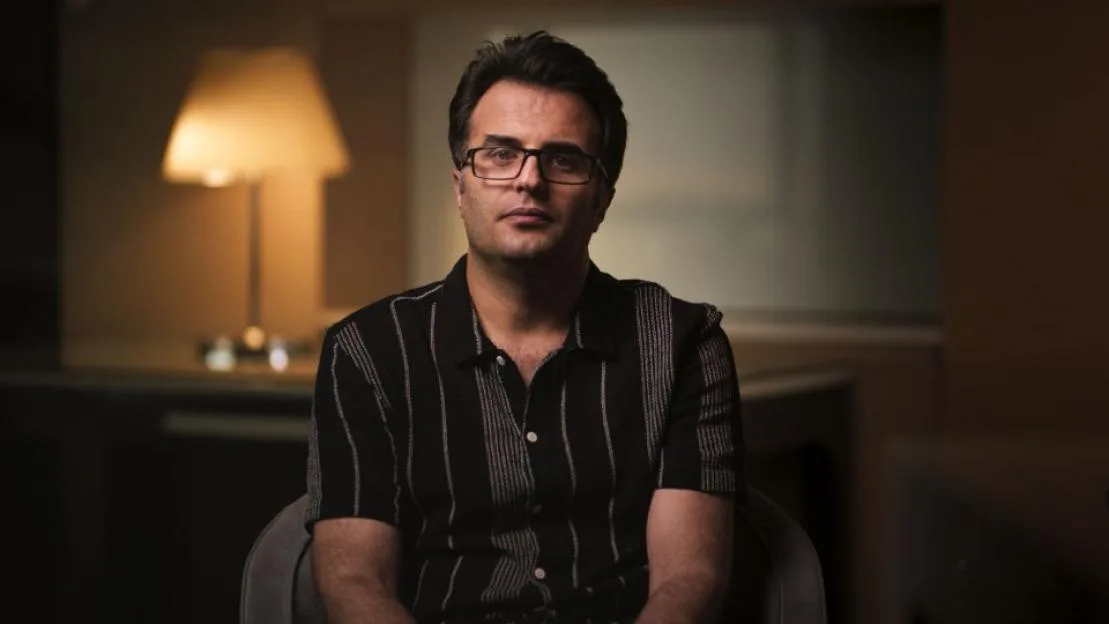
It wasn’t long before he was then accused of celebrating Khamenei’s death. The base he was going to be taken too had just been destroyed in the bombing, and he was told to hand himself in in the morning – leaving him with no option but to escape over the border.
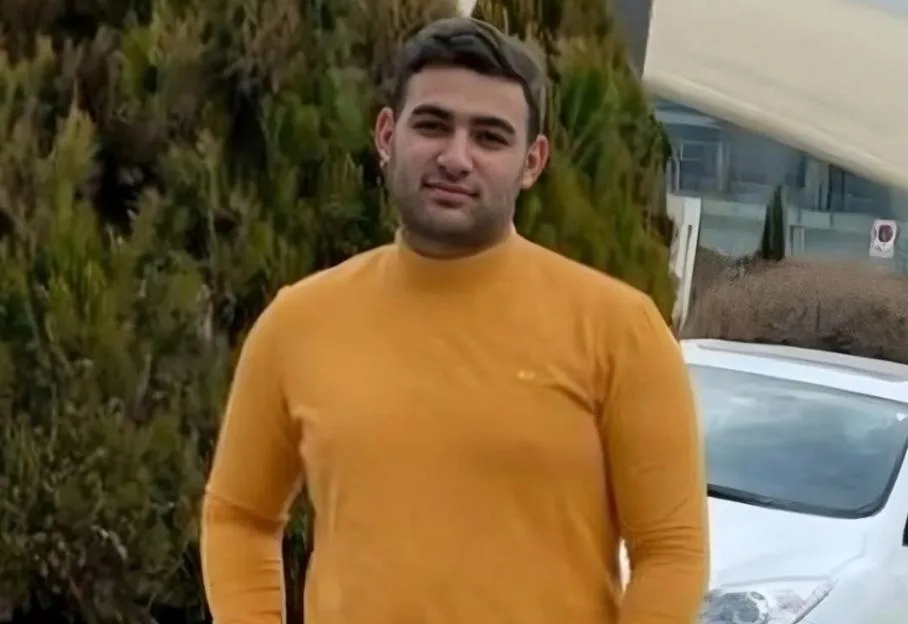
But a close relative of his, Naser, was still imprisoned.
“Naser and I spent three months in prison together. They accused him of spying for Israel. He was innocent,” said Hamid.
“When the war started Iran looked for revenge against the people, using spying as the excuse.”
Naser was then wheeled out to make a confession on television – one Hamid said he was forced to make after being tortured and held in solitary confinement.
“People confess to things they haven’t done just to get out of hell. I saw the fear in his eyes,” he said.
Not long after, a voice message was left on Hamid’s phone, from Nasser.
“A few hours ago I heard my sentence had been upheld. I’m about to be executed.
“Every moment I see myself dying and it’s destroyed my family.
“Today it’s my turn. Tomorrow it’s somebody else.”
Naser was hanged on May 2nd in Urmia Central Prison
“When I heard the message I could picture the noose around his neck. I’d listen to that message dozens of times a day.

“Everyone knew Naser was innocent. His court case was very much influenced by the protests and war and the political situation in Iran.
“The executions were used to terrorise people.”
The threat of the death penalty looms large for everyone. According to a leading human rights group, more than 70 people have been executed on political charges while tens of thousands have been arrested.
“I was forced to leave just so I could live. They took everything away from me,” Hamid added.
“The regime has changed for the worse. And their main goal is survival.”
Samira, while living in hiding, has been accused of a number of offences ranging from insulting the leader to “waging war against God”. It means she likely faces execution if she goes back.
Back in Iran, her daughter’s friends found themselves investigated just for visiting her grave.
In July, on what would have been her 17th birthday, friends and relatives held a vigil which Samira watched via videocall, when suddenly the feed cut out.
The IRGC had arrived and shut the vigil down. Some were bundled into vans, while the family were warned that if they continued to gather at the grave, Sevda’s body would be removed.
Other protestors killed have also had their gravestones smashed.
Online, she has been active in naming members of the security forces who she thinks killed protestors. One was killed, which led to a prominent supporter putting out a $5,000 reward for her capture.
“I’m stuck in January 9th. Every day, every second without Sevda is a struggle,” she said.
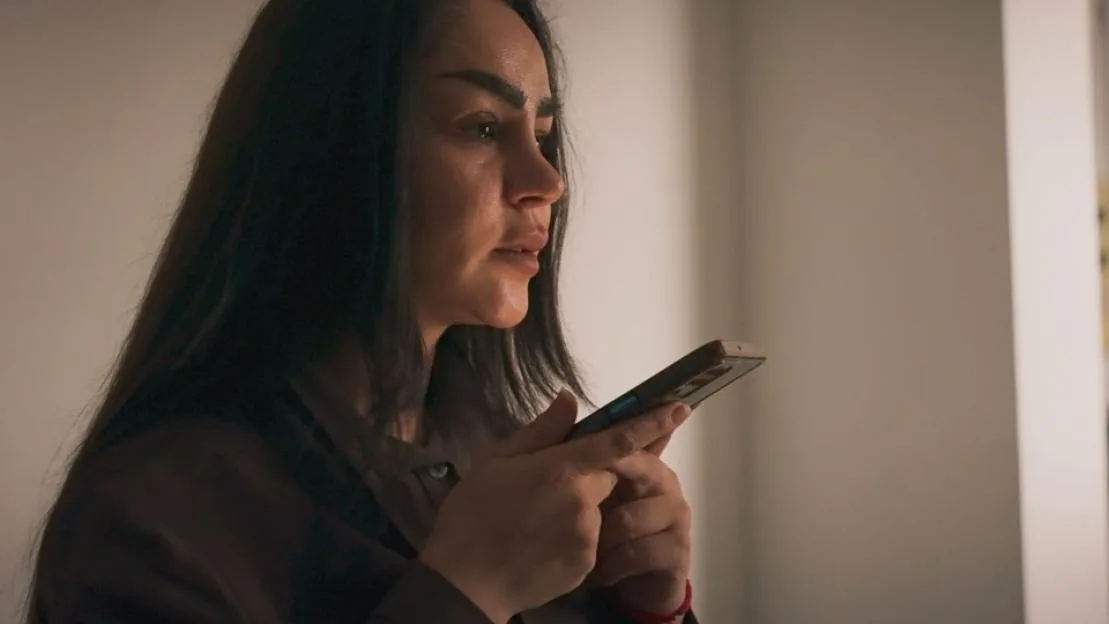
“I will never forget you. And until my last breath, I will follow your path and take your revenge. I promise you this.”
Iran: The People’s Story is on BBC One on Monday, 8pm