2026 is the hottest year in UK history – with more days reaching temperatures over 34C than ever before.
And our , with their dry grass, parched veg and wilting flowers, are paying the price.
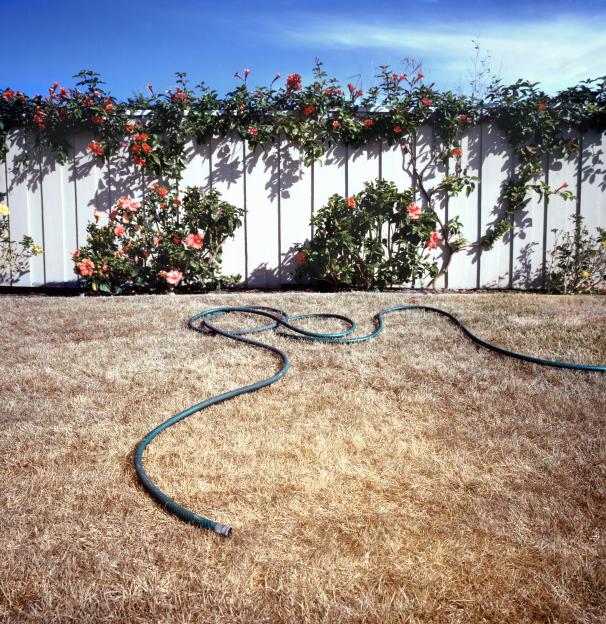 It is the hottest year on record and our gardens are paying the price Credit: Getty
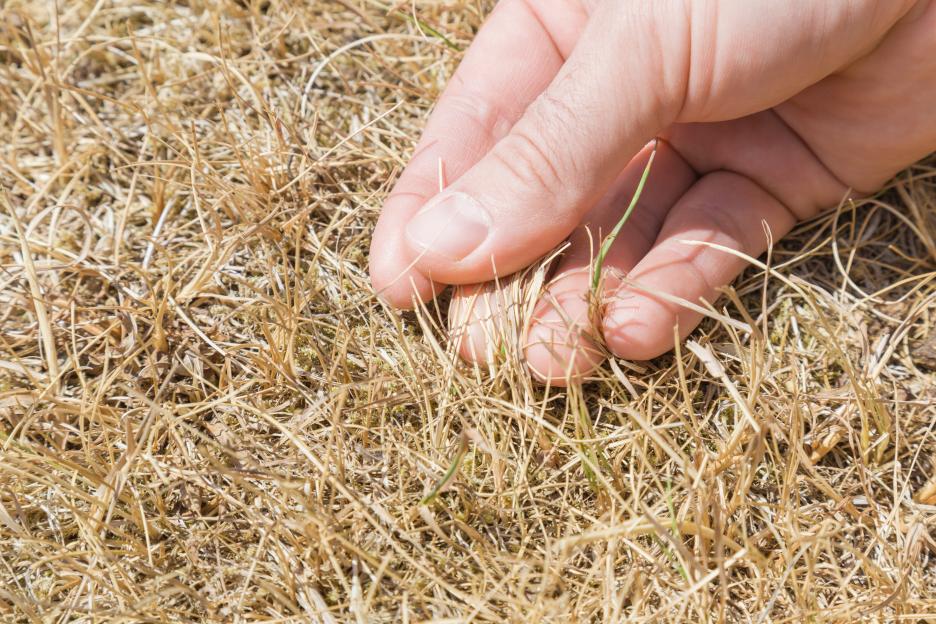 But you can still revive yours – here we share eight top tips from three pro gardeners Credit: Getty
Up and down the country our green spaces have transformed into dusty, brown tinderboxes.
But with a in place and little rain this week, can your parched patch recover?
The good news is that there are . Here we share eight top tips from three pro gardeners.
Amid forecasts of “hotter drier” summers ahead, they reveal how they protect their own gardens to make sure they survive the next wave of summer scorchers.
Don’t give up on ‘dead’ grass
WITH one waning and another set to grip Britain next month, the outlook appears bleak for lawns.
But experts’ message is: “Do not be discouraged”.
John Cushing, of Goldstone Hall Hotel & Gardens, Shrops, says grass is “remarkably resilient” and will not die because of a drought.
Gardening expert Gareth Lloyd Jones, of HIPPO Waste, adds: “A lawn going brown does not mean it is dead. Grass can go dormant in very dry weather, then starts coming back once there has been some decent rain.’’
Make use of rainwater
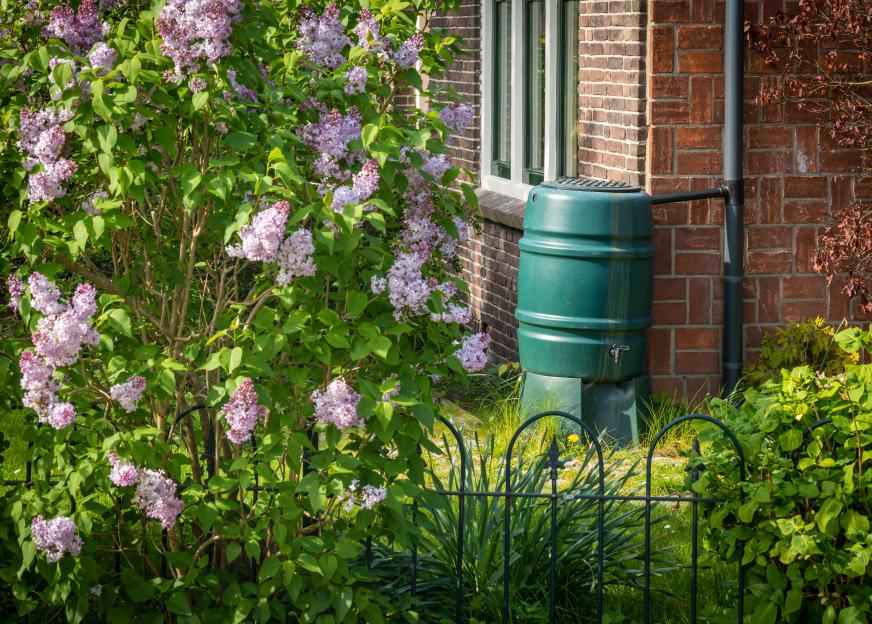 Collect rainwater to help your garden Credit: Getty
IF you have rainwater stored up, use it to give your thirsty plants a boost.
And if you don’t have any in reserve, a good idea is to invest in a water butt, so you’re ready for the next heatwave.
Gareth says: “A water butt is really useful. You are obviously not going to collect much rain in a dry spell, but the point is to have some of the rainwater stored ready for when you need it.”
He also advises gardeners hit by a hosepipe ban to double check the rules with their own water company, because restrictions and exemptions can differ across areas.
Ditch the fertiliser for now
IF your plant looks weak, feeding it would seem a straightforward solution – but this is not the right time.
A plant struggling in the heat needs water – and protection – first.
Adding fertiliser to very dry soil can increase its stress and cause damage.
Gareth advises waiting until the hot weather has passed and the plant has started recovering before returning to the usual feeding routine.
Heavy pruning can wait too.
There is little reason to give a plant another change to deal with while it is already struggling.
Focus on flowers and veggies
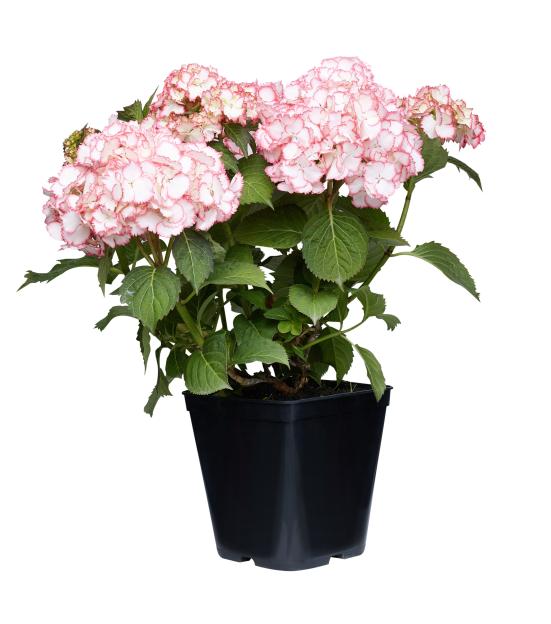 It can be better to focus on reviving your flowers and vegetable patch than your grass Credit: Getty
THANKS to the hosepipe ban, watering your garden is not an option.
But experts reckon it is better to focus on reviving your flowers and vegetable patch than your grass.
Gareth says: “If there is a ban, I would not use the water I have trying to keep a lawn green.
“Grass has a much better chance of recovering than a hanging basket or a vegetable plant that has dried out. Anything recently planted would be higher up my list to look after.
“A watering can is useful – pour around the roots rather than over the whole plant.”
Don’t cut the lawn too short
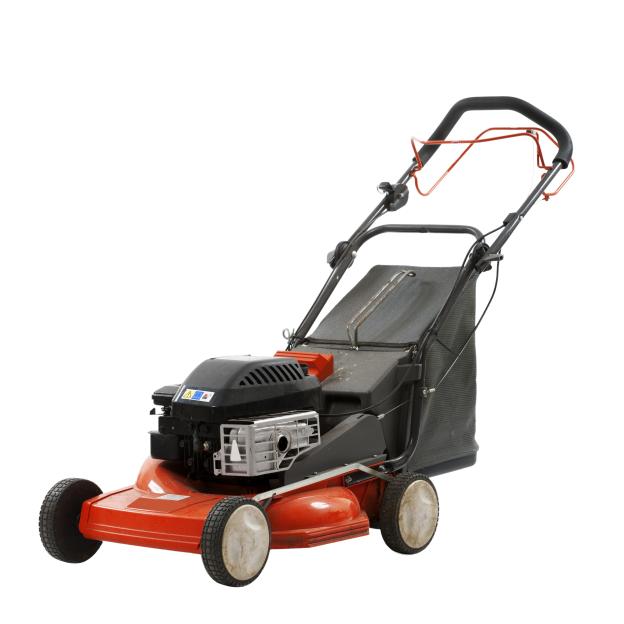 Avoid cutting your grass too short when you mow the lawn Credit: Getty
YOU may find there is less need to mow your lawn.
Grass growth slows when conditions are very dry, so leaving the mower alone for a few more days will not do any harm.
It is important not to cut the grass too short.
Gareth says: “Raise the mower slightly and keep the length longer than you would normally.
“Cutting the grass very short exposes more of the soil underneath, which you do not want when the ground is already drying out.
“If it has grown quite long, do not try to remove all of that growth in one go. Take a little off and come back to it.”
Give new plants extra attention
THE experts say new plants need extra attention and careful watering.
Gareth explains: “An established shrub has a much bigger root system to work with – something you planted a few weeks ago does not.
“To give the plant a chance to survive, water around the base and make sure the water reaches deeper into the soil. Sometimes you have only wet the top centimetre. Stick a finger into the soil and check the moisture.
“With vegetables, try not to let them go completely dry and then suddenly drown them.”
Don’t overwater after hosepipe ban
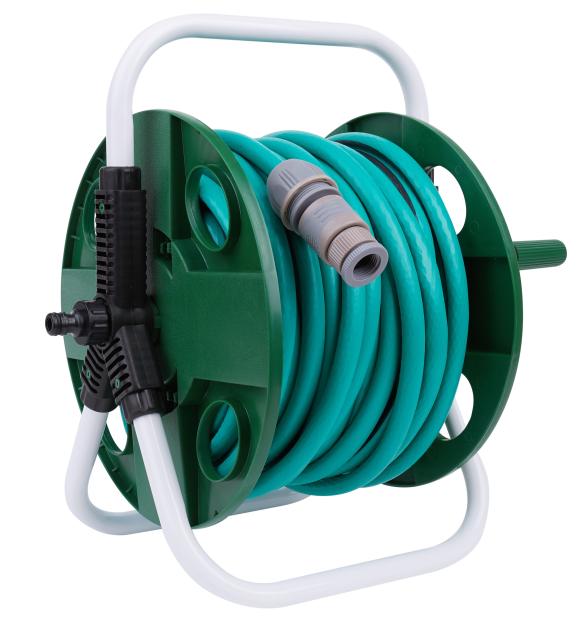 Overwatering everything just because the weather is hot can cause its own problems Credit: Getty
DROOPING leaves can make it very tempting to start watering right away once you are allowed to.
But plants can wilt temporarily during the hottest part of the afternoon, even when there is still moisture in the ground.
And overwatering everything just because the weather is hot can cause its own problems.
Roots still need oxygen, and Gareth warns that soaking soil that is already wet will not help the plant to recover.
Instead, he suggests that gardeners check the soil’s moisture levels and water accordingly.
Future-proof your garden
GARETH advises: “Maybe there is a bed that gets full sun all afternoon, or pots beside a wall that get far hotter than you thought. Place plants that cope better with dry conditions there.
“Adding compost to beds can help soil hold on to water, and mulch is better put down before everything dries out.”
Daniel Puicar, head gardener at Middleton Hall and Gardens, Staffs, adds: “Using a rake or scarifier in a cross-cross pattern across the lawn can help. The jagged edges of the broken soil will decrease water run-off, allowing more water into the soil.”
PLANTS WITH SURVIVE & THIRVE
By
THE most important thing to remember about your heatwave-ravaged garden is Don’t Give Up.
Yes, they all look like barren dustbowls at the moment, punctuated with hardy green weeds (how are brambles STILL thriving?).
But underneath it all your outside space is being as clever as ever.
The grass might be yellow – but it’s probably not dead.
Instead, it’s gone to sleep to combat stress. It’s a natural defence system and should bounce back when conditions improve.
Some of your plants’ leaves might be looking crispy or yellow – but again, it’s not the end of the world – they’re using that energy elsewhere for more important things.
This hot weather is the perfect time to learn some lessons.
What worked in your garden this year and what didn’t? And think long and hard about what else you could grow to replace the stuff that pretty much instantly went brown, collapsed and died.
If you’re lucky enough to go abroad – look at what’s growing in the hot weather.
Mediterranean plants such as lavender, rosemary. succulents and Oleander are experts at dealing with higher temperatures – and grow well here too.
I found in my garden and allotment that anything grown from a bulb managed a bit better too, as they’ve got so much of what they needed stored already.
Spiderplants also did well outside, agapanthus, some grasses, snap dragons, salvias and actually my ferns, which are sheltered, also fared really well.
So what I’m really saying is: don’t panic.
In fact, just sit back, relax, and lapse into a delicious daydream planning your green and pleasant land next year.
Just don’t forget to water.