WITH the UK experiencing yet another wave of hot weather, Brits are being warned over medicines that risk them suffering blistering sunburn – including a common painkiller.
Temperatures are in parts of the country later this week, as the summer of record-breaking highs continue.
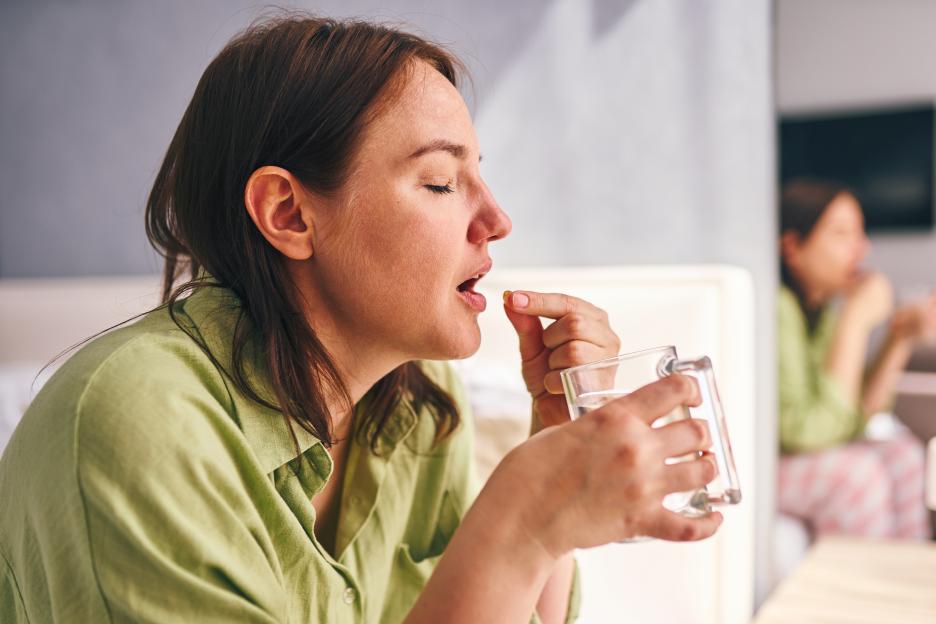 Painkiller like ibuprofen could make you more likely to get burnt Credit: Getty
By this point, most of us know to travel with water and stick to shade during the hottest parts of the day.
But the Medicines and Healthcare products Regulatory Agency (MHRA) has urged people using painkillers and other common medicines to take extra precautions.
The health watchdog’s chief safety officer, Dr Alison Cave, warned: “Some commonly used medicines can affect the body’s ability to stay hydrated, regulate temperature, or protect itself from sun exposure.”
Drugs like ibuprofen and naproxen – another sort of painkiller – could increase sensitivity to the sun, “meaning or more severely than expected”, she said.
Certain antibiotics, like doxycycline and tetracycline, carry the same risk.
The same goes for acne treatments like isotretinoin and topical retinoids, as well as antifungal medicines such as voriconazole.
If you take disease-modifying antirheumatic drugs (DMARDs) to treat rheumatoid arthritis, psoriatic arthritis and lupus, you may also be at higher risk of a nasty sunburn.
This includes medicines like methotrexate and azathioprine.
“Proton pump inhibitors (PPIs), commonly used to treat acid reflux and heartburn, have also been linked to a very low risk of a lupus-like skin reaction triggered by sun exposure,” Dr Cave added.
If your skin becomes red, sore, blistered or reacts more intensely after sun exposure, it can be a sign your medication is making it more sensitive to sun exposure.
It comes after the UK Health Security Agency issued heat health alerts for nine regions in England, warning that soaring temperatures could put people’s health at risk.
Amber alerts will be in place for Yorkshire and the Humber, West Midlands, East Midlands, East of England, South East, London, South West and North West regions from 9am tomorrow, August 11, until to 9pm on August 14.
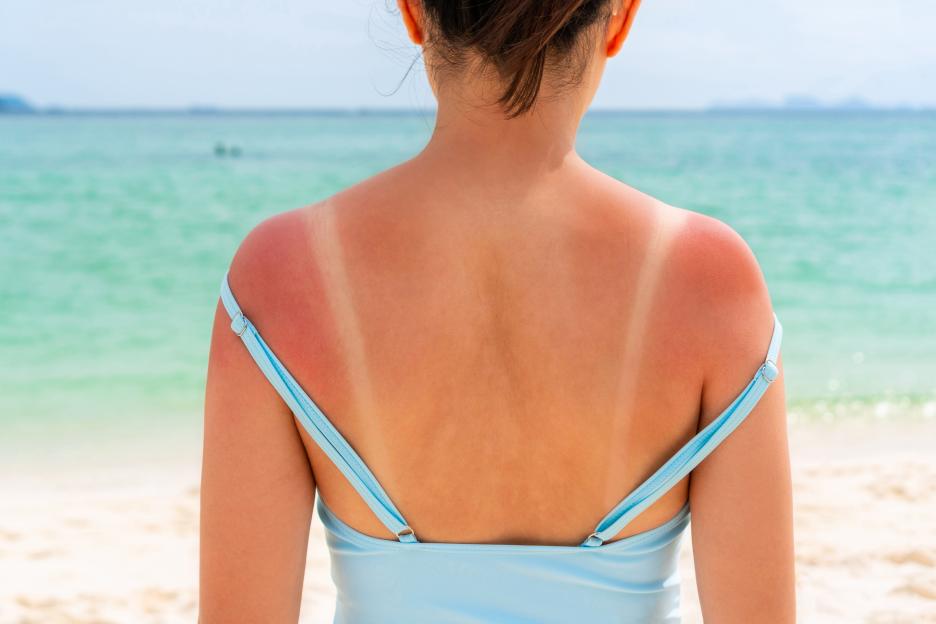 Various medications can make you more sensitive to the sun Credit: Getty
 What heat health alerts mean
An amber heat health alert means significant impacts are likely across health and social care services due to the high temperatures.
This might include:
- A rise in deaths, particularly among those aged 65 and over or with health conditions. There may also be impacts on younger age groups
- Likely increased demand on all health and social care services
- Internal temperatures in care settings (hospitals and care homes) may exceed the recommended threshold for clinical risk assessment
- The heat affecting the ability of the workforce to deliver services
- Indoor environments overheating increasing the risk to vulnerable people living independently in community and care settings
- Issues managing medicines
- Staffing issues due to external factors (for example, affecting transport)
- Increased demand for power exceeding capacity
- Other sectors starting to observe impacts (for example, travel delays)
- An increase in water‑related incidents, including risks from cold‑water shock and drowning
Source: UKHSA
The North East will be under a yellow alert during the same period.
Not only is sunburn painful, causing red, raw skin, peeling and blisters if it’s particularly bad.
Once the short term fades, lasting damage can remain – as a burn accelerates skin ageing and is the leading cause of skin cancer.
in your lifetime can double your risk of melanoma, the deadliest form of skin cancer.
But burns aren’t the only medicine-related risk people might face as temperatures climb.
“Diuretics, often prescribed for blood pressure or heart conditions, can increase fluid loss and make more likely,” Dr Cave said.
Dehydration – when the body loses more fluids than it takes in – can become serious if it’s not treated.
Older adults can be more at risk of the condition, especially if they’re taking heart and blood pressure medication.
But dehydration is also very risky to babies and young children.
“Some and antipsychotics can affect the body’s ability to regulate temperature, and medicines such as beta blockers may reduce the body’s response to heat stress,” Dr Cave added.
She suggested taking three simple precautions in order to stay safe this summer.
These included:
- Staying hydrated
- Avoiding the strongest sun during the middle of the day
- Using protective clothing and sunscreen
You should also check the patient information leaflet of your medicine for advice on sun exposure and hydration.
This comes with every medicine and can also be accessed online.
Next, it’s important you can recognise signs your body is struggling to cope with the heat.
This can include dizziness, headaches, unusual fatigue, confusion or reduced urination.