
OpenAI expands ChatGPT Ads with Sponsored Agents, Shopify and HubSpot integrations
OpenAI is expanding ChatGPT Ads with Sponsored Agents, prompt-based campaign management, AI-assisted creative tools and new Shopify and HubSpot integrations. Here is what businesses and marketers need to know.
 Written byEze Chidiebere Paul
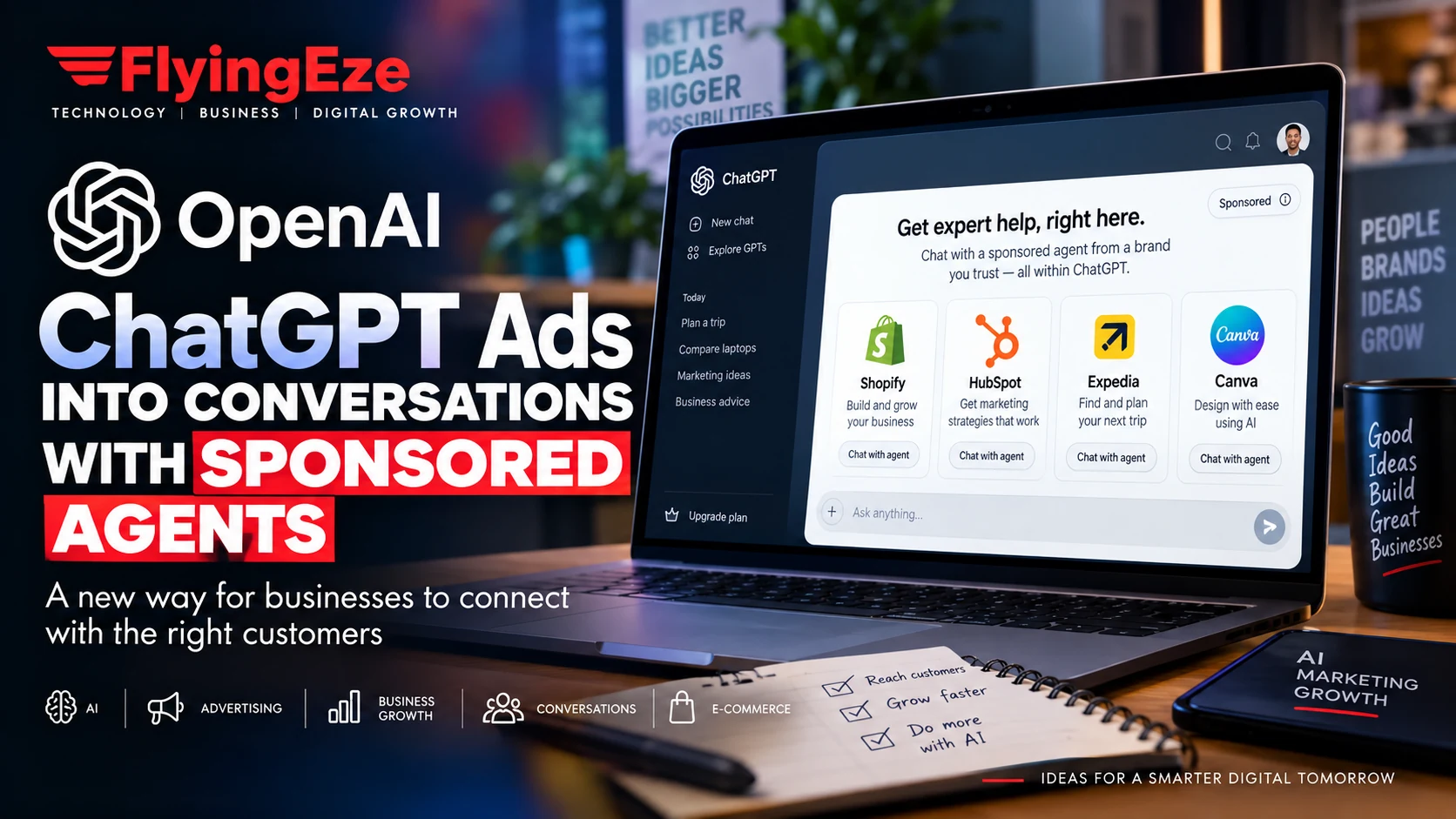
OpenAI is expanding its advertising business with a set of new tools designed to make ChatGPT ads more conversational and easier for marketers to create, manage and measure.
The company announced on 16 September 2026 that it is testing Sponsored Agents, a format that lets a person who clicks an ad choose to start a clearly labelled conversation with an AI representative of the advertiser. OpenAI is also adding natural-language campaign tools to Ads Manager and integrating ChatGPT Ads with Shopify and HubSpot.
The changes matter because they move AI advertising beyond a familiar click-through format. Instead of only sending an interested user to a landing page, an advertiser can potentially answer product or service questions inside a sponsored conversation before the user decides whether to visit the business's website.
What are Sponsored Agents in ChatGPT Ads?
According to OpenAI's announcement , Sponsored Agents allow users to open a conversation with a business-sponsored agent after seeing a relevant ad. The conversation is optional and is intended to help people ask follow-up questions about a product or service.
OpenAI says the sponsored conversation is distinct from ChatGPT's independent answers and separate from the original conversation the user started in ChatGPT. That distinction is important for transparency: the interaction is advertising, not an independent recommendation from ChatGPT.
The format is not broadly available to advertisers yet. OpenAI's Sponsored Agents guidance says the feature is currently limited to selected advertisers in an alpha test. The company is not accepting general early-access requests at this stage.
Advertisers can manage campaigns with prompts
OpenAI is also bringing more campaign-management work into conversational interfaces. Advertisers can use natural-language prompts in ChatGPT with the Ads Manager plugin to create, update and analyse campaigns.
The company says a marketer can begin with a website or campaign brief, generate a campaign structure, inspect performance and receive recommendations for what to do next. Ads Manager is also adding AI assistance for creative work, including suggested copy and imagery based on an advertiser's landing page and campaign objective.
Advertisers remain responsible for reviewing those suggestions before using them. OpenAI is additionally introducing an opt-in text-customisation feature that can adapt existing headlines and descriptions to the context of a conversation and translate ad copy into a user's preferred language.
For businesses already experimenting with automation, this development fits a broader shift from AI as a standalone chatbot towards AI embedded directly into business processes. FlyingEze has previously examined that transition in its guide to AI workflow automation for business .
Shopify merchants get a direct ChatGPT Ads connection
OpenAI's Shopify integration connects a merchant's product catalogue and commerce-event data with ChatGPT Ads Manager. The goal is to reduce manual setup, keep inventory information aligned and make campaign measurement easier.
The company's Shopify setup documentation says the integration is currently available to Shopify customers in the United States and will expand to other markets where ChatGPT Ads is available.
OpenAI's product announcement gives a more specific timetable, saying international availability in supported ChatGPT Ads markets is scheduled for 23 September 2026.
For ecommerce businesses, the significance is not simply another ad dashboard. Product data, campaign creation and measurement can be connected more closely, potentially shortening the path between a catalogue update and an advertising decision.
HubSpot adds campaign creation, leads and attribution
HubSpot is OpenAI's first CRM integration for ChatGPT Ads. Businesses can connect a ChatGPT Ads account to HubSpot, create campaigns, capture leads, trigger follow-up workflows and view performance alongside other advertising channels.
OpenAI's HubSpot setup guide says the integration is available to HubSpot customers wherever ChatGPT Ads is available. HubSpot separately says customers can build, manage and measure ChatGPT Ads campaigns directly in its platform.
That makes the integration particularly relevant to teams focused on attribution. Instead of treating a ChatGPT ad as an isolated channel, marketers can connect ad engagement with contacts, deals and follow-up workflows inside the CRM.
What this means for marketers and publishers
The immediate effect will be limited because Sponsored Agents remain in a restricted test, while ChatGPT Ads itself is not available in every market. But the product direction is clear: advertising inside AI assistants is becoming more interactive, more measurable and more tightly connected to the tools businesses already use.
For marketers, that raises several practical questions. A sponsored conversation needs accurate product data, clear disclosure, brand-safe responses and measurement that goes beyond a simple impression or click. Businesses will also need to decide which questions an AI agent should answer automatically and where a human sales or support workflow should take over.
For publishers and digital businesses, the development is another sign that advertising technology is changing quickly. FlyingEze recently reported on the separate court-ordered changes affecting Google's AdX and DFP ad-tech businesses , illustrating how both product innovation and regulation are reshaping the digital advertising market.
What happens next?
OpenAI has not announced when Sponsored Agents will become generally available. For now, the feature remains a limited test with selected advertisers in the United States.
Shopify and HubSpot integrations are further along. US-based Shopify merchants can already connect their stores, while the international Shopify rollout is due to begin in supported ChatGPT Ads markets on 23 September. HubSpot's integration is available where ChatGPT Ads is supported.
The bigger change is structural: AI advertising is moving from static placements towards conversations, automated campaign operations and deeper connections with ecommerce and CRM systems. Whether those formats improve campaign performance will depend on how advertisers use them and how users respond, but the tooling is now becoming substantially more sophisticated.
Continue reading
Google Adds Local Businesses to New EEA Search Result Units: What Changes for Local SEO
Google now supports local-business queries in its EEA aggregator and supplier search units. Here’s how the change works and what local businesses, directories and SEO teams should know.
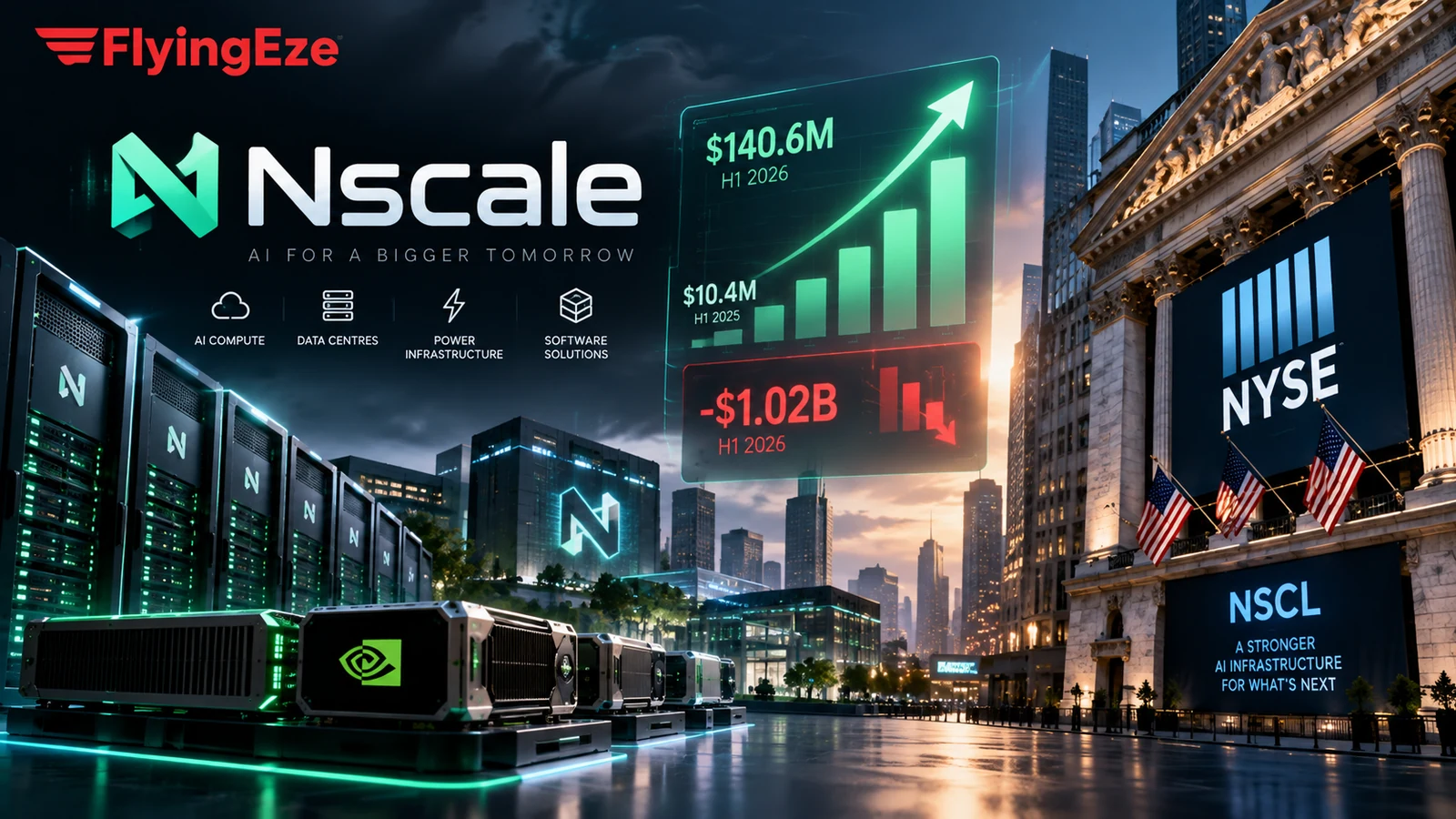
Nvidia-Backed Nscale Files for US IPO After Revenue Jumps 1,252%
Nscale has filed for a US IPO after first-half revenue surged 1,252% to $140.6 million, even as losses widened and the AI infrastructure company continued a huge capital build-out.
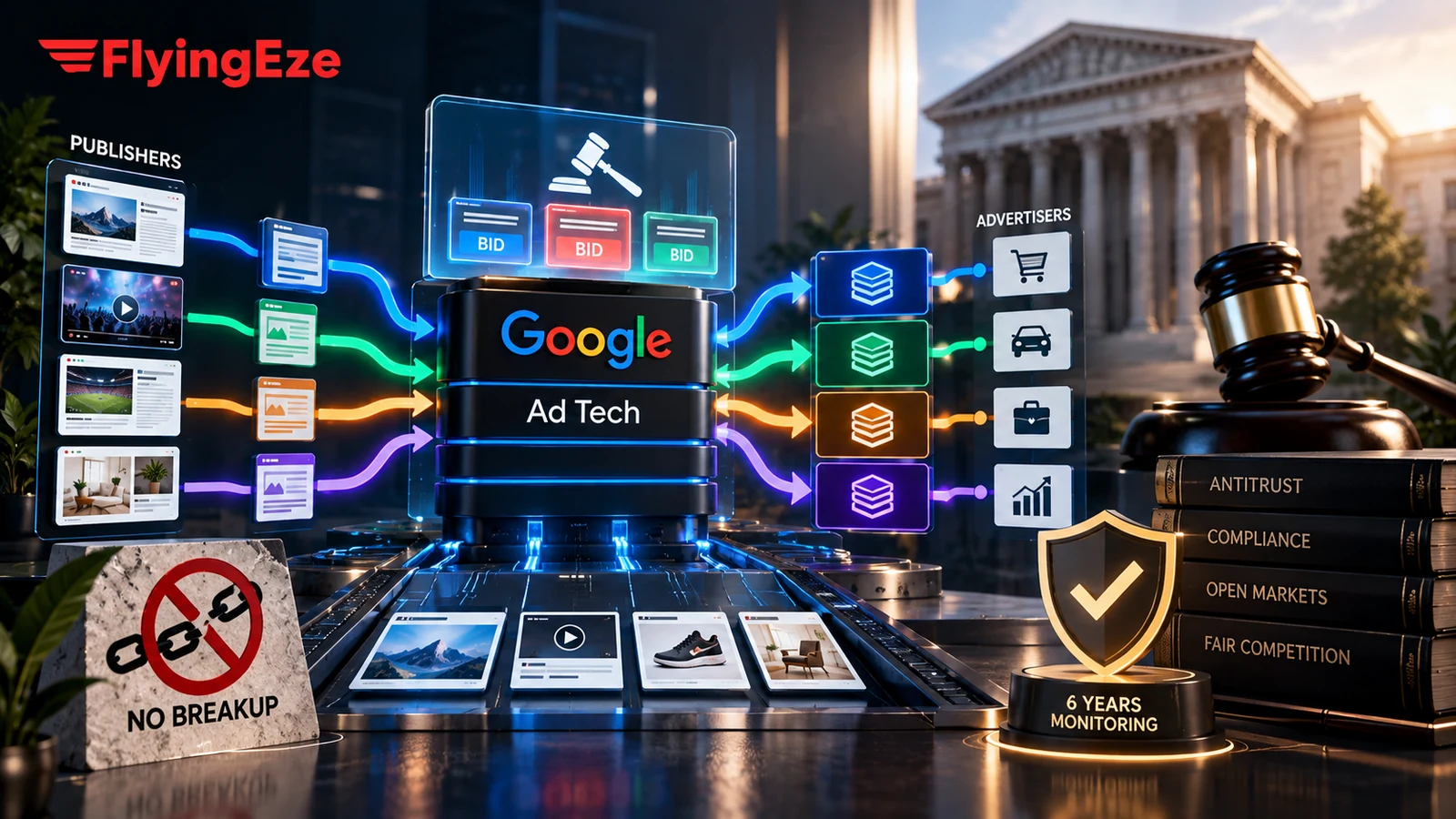
Google Ordered to Open Up Ad Tech Auctions but Avoids Breakup
Google must loosen parts of its ad-tech stack, support rival integrations and accept six years of monitoring, but the court stopped short of forcing an AdX breakup.
Dangote Refinery IPO Rush Exposes Stress Points in Nigeria’s Fintech Infrastructure
The Dangote Refinery IPO overwhelmed several Nigerian investment platforms, exposing fintech scaling and third-party risks while widening retail market access.