
Hour-by-hour the signs of deadly meningitis commonly mistaken for a hangover – as students warned ‘don’t delay’
A POUNDING headache, upset stomach and eyes that just can’t adjust to the light – these sound like the typical symptoms of a hangover. But they could also be t...
 Written byEze Chidiebere Paul

A POUNDING headache, upset stomach and eyes that just can’t adjust to the light – these sound like the typical symptoms of a hangover.
But they could also be tell-tale signs of meningitis, an infection of the lining around the brain and spinal cord that .
Is it a hangover – or could it be meningitis? Credit: Getty

It can affect anyone, but with youngsters flocking to halls for Freshers Week, experts warn that university students can be at particular risk.
First-years are seven times more likely to develop meningococcal disease – a bacterial infection leading to meningitis – compared to those who don’t go to university, the UK Health Security Agency (UKHSA) warns.
Late nights, drinking and mingling create the perfect conditions for bugs and illnesses to pass around.
While most would assume their aching head and body were the result of a few too many shots the night before – or the beginnings of fresher’s flu – there are a few red flags sings that indicate these symptoms shouldn’t be dismissed as something harmless.
Here, we reveal how symptoms progress hour-by-hour, and when a lingering hangover should be taken seriously.
The warning comes months after deadly meningitis outbreaks struck young people and students in Kent, Dorset and Berkshire, killing three and leaving dozens with life-long consequences.
Viruses or bacteria, spread through close contact, can both cause meningitis.
These can be passed on through kissing, or sharing drinks or vapes, or living in the same space as someone who’s infected.
Infections that trigger meningitis are usually spread by people who carry these viruses or bacteria but are not ill themselves.
Dr Margarita Kitova-John , a and functional medicine practitioner working with Whatuni , said: “Fresher’s flu’ is a nickname for the cluster of coughs, colds, sore throats and other respiratory infections that commonly spread when students arrive at university and suddenly mix with lots of new young people.
“The viruses responsible – such as rhinoviruses, influenza, COVID-19 and other respiratory viruses – are contagious, so you can easily catch them, and Freshers’ Week creates particularly good conditions for transmission: crowded halls and events, close contact, shared kitchens and bathrooms, late nights, alcohol, disrupted and stress.”
“Seek urgent medical advice rather than assuming it is simply ‘fresher’s flu’.
“In particular, meningitis can initially resemble a viral illness and can become serious very quickly, so knowing the warning signs is important.”
Symptoms of meningitis can include:
- Fever with cold hands and feet
- Vomiting
- Drowsiness and being difficult to wake
- Confusion and irritability
- Severe muscle pain
- Pale and blotch skin
- Spots or a rash that don’t fade when a glass is rolled over them
- A severe headache
- Stiff neck
- Dislike of bright lights
- Convulsions and seizures
But early on, signs can be subtle and easily confused with other illnesses or niggles.
Zero to twelve hours
In the first four to eight hours of infection, symptoms of meningitis can seem like any other illness or a hangover.
They can include fever, nausea, vomiting and tiredness. People can also get stomach cramps and diarrhoea.
From the nine-hour mark, muscle aches might start to set in.
If what you think is a hangover doesn’t improve after four to eight hours, it’s worth getting medical help.
But symptom on onset can differ for everyone, so don’t wait around to get help if you’re feeling ill and getting worse and worse.
Twelve to 15 hours
After this point, you may begin to develop more recognisable symptoms of meningitis.
These can include a stiff neck and sensitivity to light.
16 to 24 hours
From the 16-hour mark, confusion and drowsiness can begin to set in.
Some people may experience seizures or loss of consciousness.
These late-stage signs mean the infection has reached a critical point.
A rash that doesn’t is considered a typical symptom of meningitis, but you should not wait for that to appear before getting help.
You can protect your child from meningitis by getting them vaccinated.
The MenB vaccine, which protects against meningococcal group B bacteria (a common cause of meningitis), is offered to babies at eight weeks, followed by a second dose at 16 weeks and a booster at one year.
Students and young people were also offered two doses of the jab over the , in advance of the university term started this week.
As of August 31, the dished 246,089 doses of the MenB vaccine to young people, but thousands more school leavers and first-year undergraduates remain eligible.
New data, published in the Invasive Meningococcal Disease (IMD) report for , showed that MenB was the leading cause of meningitis in most people under 25.
Dr Kitova-John gave a few tips on other ways students can protect themselves this term.
She said: “Prioritise sleep, stay well hydrated and eat regular, nutritious meals, with plenty of protein, fruit and vegetables.
“If alcohol is involved, eat properly beforehand and during the evening, alternate alcoholic drinks with water and consider electrolytes to support hydration.
“Supplements shouldn’t replace the fundamentals, but they can form part of a sensible routine.
“Finally, keep alcohol within reasonable limits, don’t share drinks or vapes (these can spread infectious germs, viruses, and bacteria directly from person to person through saliva), wash your hands regularly and get outside for some fresh air and movement.
“Freshers’ Week is exciting, but pacing yourself and giving your body time to recover can make a real difference.”
Continue reading

How 74p ‘Ozempic for booze’ pill stopped me binge-drinking & blacking out… without having to quit completely
FOR three years, Parker Jennings would wake up feeling anxious and ashamed after she had spent the previous evening binge-drinking. The 26-year-old tried everyt...
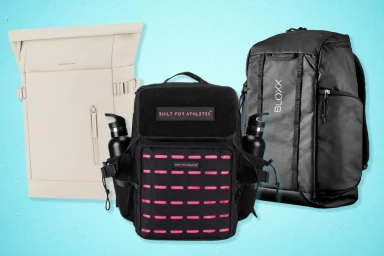
I put gym bags to the test to see which is the most practical, best-looking and comfortable
YOUR gym bag can make all the difference. As well as keeping sweaty trainers and kit separate, it needs to have somewhere safe for your laptop, water bottle an...

Man, 64, given hours to live after eating a pub roast led to multi-organ failure
Credit: Family Handout/PA Wire A MAN was given just hours to live after a pub roast dinner caused him to develop sepsis and go into multiple-organ failure. Udh...