Table of Contents
- Marnie Simpson's Experience
- What is Postnatal Depression?
- National Maternity and Neonatal Investigation
MARNIE Simpson has shared her feelings of being “completely let down” by the NHS during the birth of her first child.
The Geordie Shore star is the mother of sons Rox and Oax, and daughter Kixee Moon, with her husband, Casey Johnson.
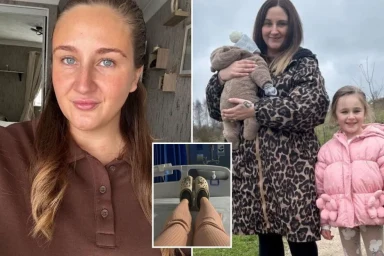
 Marnie Simpson appeared on Sky News to discuss her “traumatic” childbirth experience in 2019Credit: Sky
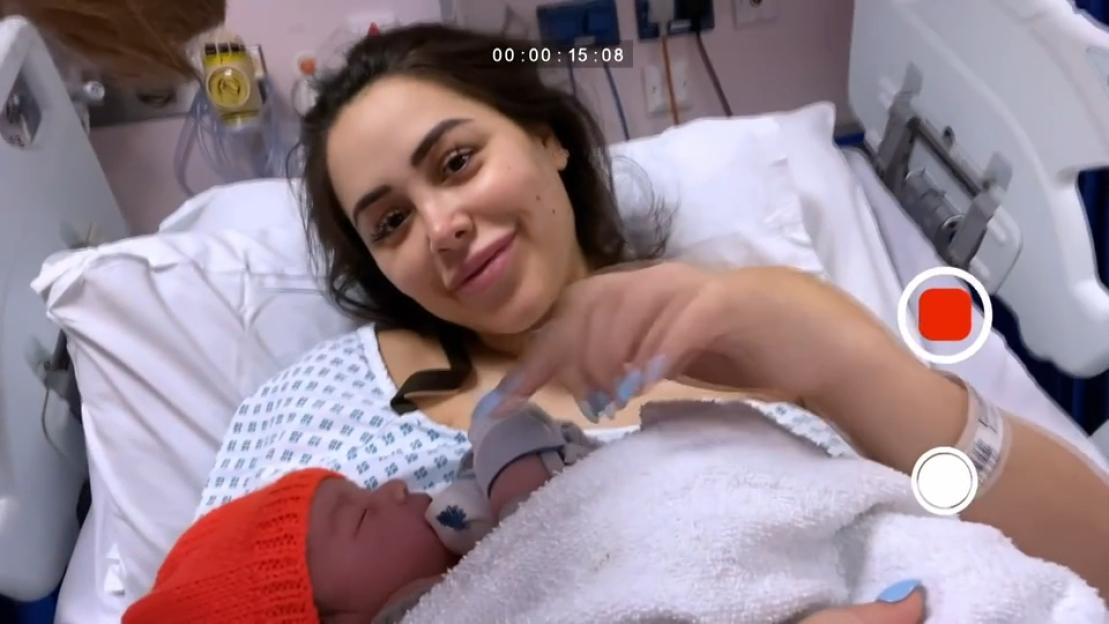 She gave birth to her son Rox in 2019 but felt “robbed” during the experienceCredit: BBC
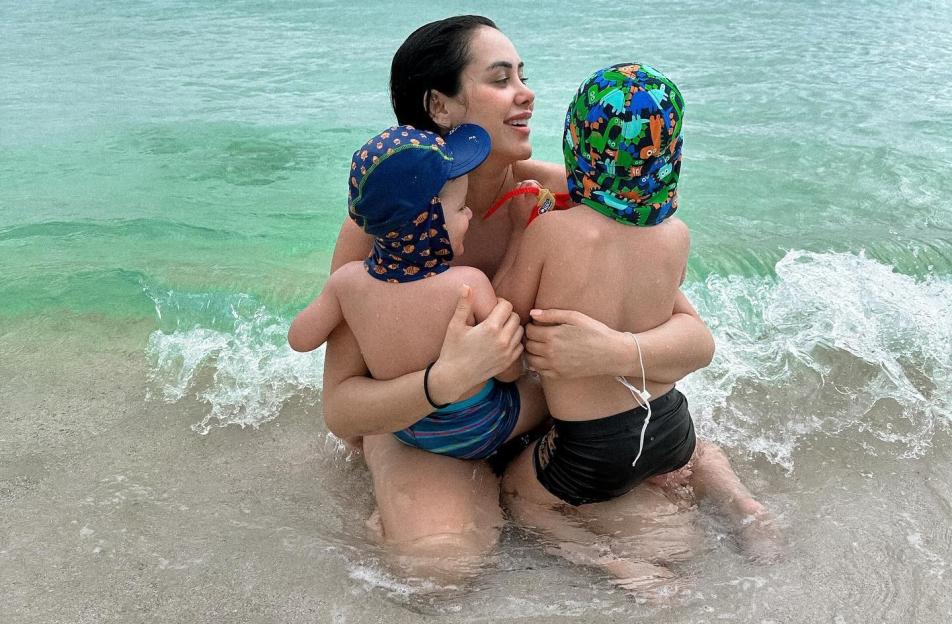 Marnie has two sons with her husband, Casey JohnsonCredit: marns/Instagram
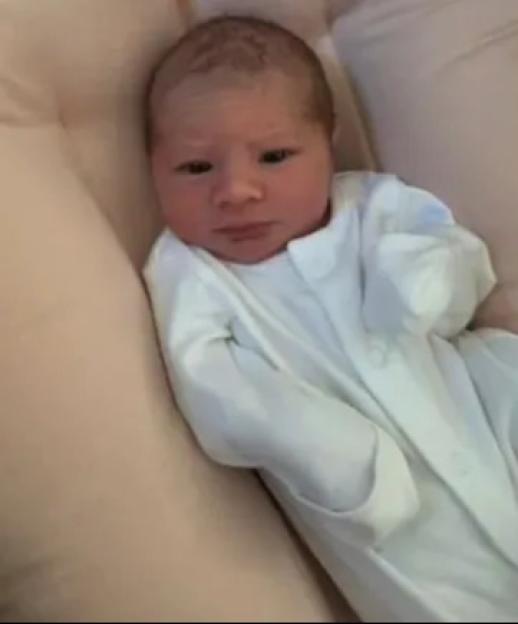 She welcomed her daughter Kixee in July this yearCredit: Instagram
However, her first experience in 2019 was far from what she had hoped for, as she told Sky News, which found that maternity services are in a worse state than anticipated.
“I can relate to those women so much,” she stated.
“A very similar situation happened to me.
“I was simply ignored. I was told to be quiet… I was told to stop it.”
“Those were the exact words used?” the news reporter asked.
To which Marnie responded: “Yes, I was told to stop disturbing the other women on the ward.
“I was denied pain relief. Every single request I made was disregarded.
“My husband was also ignored.
“It was an incredibly daunting time.”
She expressed that she felt she “didn’t have a voice” and was “completely let down.”
This situation has left Marnie feeling “emotionally and physically” traumatized.
“I struggled with a lot of issues,” she explained.
“This is the thing; it’s a horrible event in your life, but you carry it with you forever.
“I feel like I was robbed of having that magical, natural birth that I always dreamed of.
“And I will never get to experience that. It’s something I will always have to live with.”
“It’s just so sad that so many women go through this,” Marnie concluded.
The National Maternity and Neonatal Investigation, an independent review initiated by Baroness Amos upon the orders of Health Secretary Wes Streeting, was established to investigate failings across the country.
What is Postnatal Depression?
Postnatal depression is a type of depression that affects parents after the birth of a child.
This major depression is triggered by childbirth but is significantly more severe than the “baby blues.”
It can also occur following a miscarriage or stillbirth.
Many women may feel emotional and anxious after giving birth, commonly referred to as the “baby blues,” which typically lasts for a few weeks after delivery.
If these symptoms persist longer, the NHS advises that you may be experiencing postnatal depression.
Symptoms include, but are not limited to: persistent sadness, lack of enjoyment and loss of interest in the outside world as well as in your baby, and a general lack of energy.
These signs can develop gradually, so many people do not immediately recognize that they have postnatal depression.
Several celebrity mothers have spoken out about their struggles with postnatal depression after giving birth.
Singer Adele has mentioned that after the birth of her son Angelo, she felt ‘inadequate’ and embarrassed to discuss her feelings.
John Legend’s wife and model Chrissy Teigen revealed she was diagnosed with postnatal depression in December after experiencing a downward spiral following the birth of her daughter Luna.
Gwyneth P