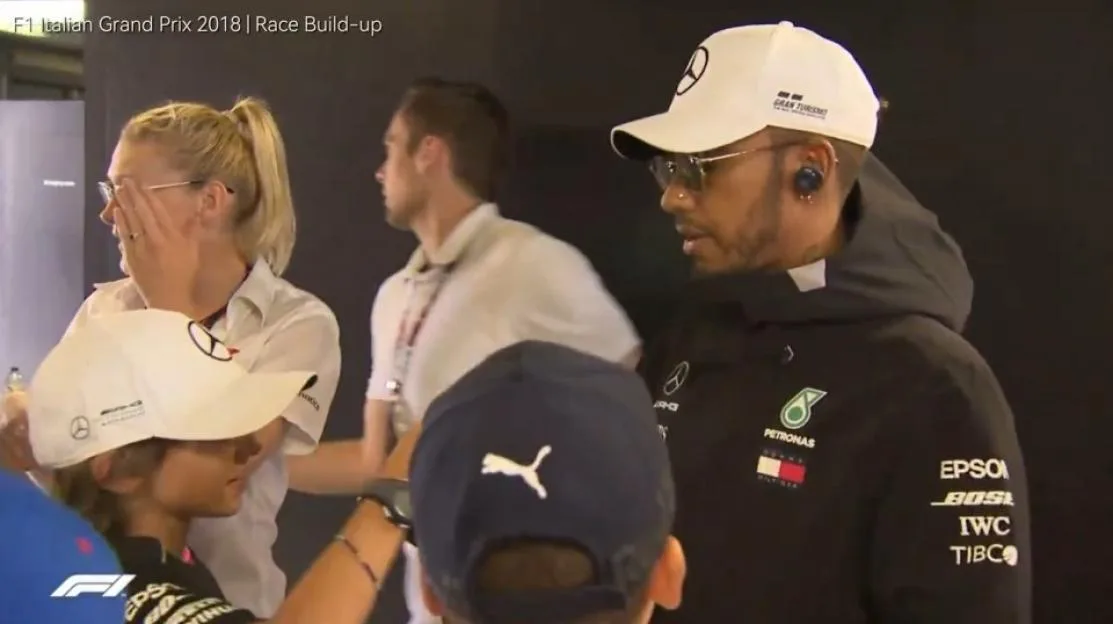
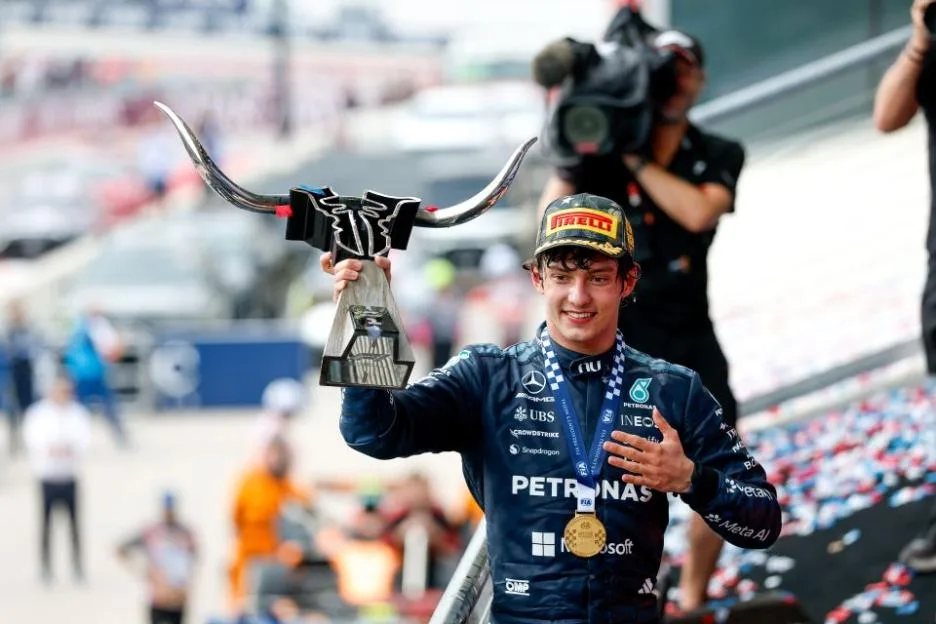
LEWIS HAMILTON’S Mission 44 charity group has warned Formula One risks missing out on a generation of future talent if it fails to open new pathways into the industry.
In 2021 launched the Hamilton Commission, outlining a plan to promote inclusion for young people from underrepresented and disadvantaged backgrounds through scholarships and bursaries of STEM subjects.
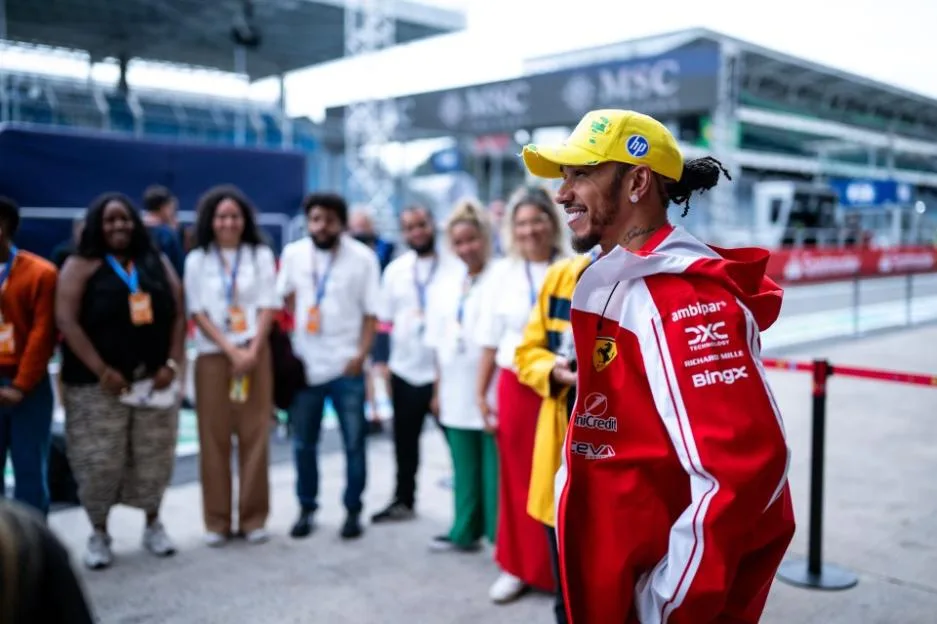
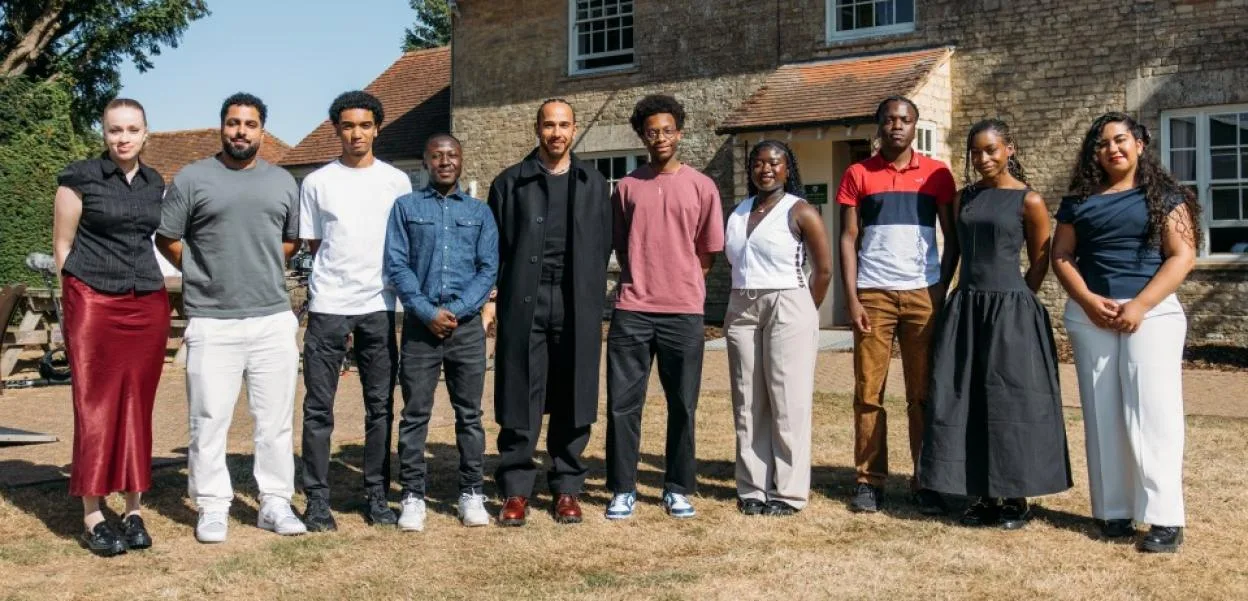
But five years on, the seven-time world champion’s Mission 44 has now published its follow-up report, Igniting Inclusion , which outlines what progress has been made in the sport and what still needs to be.
A Diversity and Inclusion Charter has been signed by , every team and the FIA, while there has been a tangible change with some graduates of the scholarships offered by Mission 44 now working in the sport.
Hamilton said of the report: “Five years ago, I launched the Hamilton Commission because I knew F1 had to change. Since then, we’ve worked tirelessly to break down barriers and open doors.
“We can’t tell young people to dream big and then not open the doors when they try to make those dreams a reality.
“We’ve shown that change is possible. Now we need to go further. The talent is out there, and the future of our sport depends on unlocking it.”
The latest report highlights programmes by the likes of , , Williams, and Alpine, and reveals a genuine desire from fans of the sport for more representation from a wider range of backgrounds.
Of 3,000 fans polled in the report across the UK, and , 80 per cent believe greater representation would help the sport attract more fans, while 69 per cent say progress would make them more likely to follow and support the series.
However, while there is acknowledgement of its reach, 55 per cent of those surveyed believe F1 only pays lip service to the inclusivity ideas it claims to promote.
Grand Prix deals for 2027
NOTHING comes close to the thrill of a live Grand Prix.
And YOU can be there to see it all in 2027.
Get the full F1 experience with these unbeatable deals.
🇲🇨 MONACO — 4 to 6 June — From £699pp
🇬🇧 GREAT BRITAIN — 2 to 4 July — From £649pp
🇦🇹 AUSTRIA — 9 to 11 July — From £529pp
🇧🇪 BELGIUM — 23 to 25 July — From £1,099pp
🇭🇺 HUNGARY — 30 July to 1 Aug — From £729pp
🇮🇹 ITALY — 3 to 5 Sept — From £679pp
See ALL our F1 travel offers
*If you click on a link in this article, we will earn affiliate revenue.
Furthermore, many aspiring candidates face rejection by automated screening before ever speaking to a human, leaving a sport which operates on the cutting edge of technology, including AI, at a crossroads.
One anonymous senior F1 team member told the report their team had seen 8,000 applicants for one graduate role.
Cara Cinnamon, Igniting Inclusion’s lead author and Mission 44’s Chief Impact Officer, told SunSport: “It’s a really delicate balance. F1 are an industry that attracts enormous numbers of applications.
“It’s an issue that exists everywhere in many different industries. But we are saying we would like those young people who have been supported through scholarships and bursary programmes to receive personalised feedback.
“AI is a tool that many employers use as a means to screen candidates. We just want to ensure it is being done very carefully, thoughtfully, and there’s disclosures in place if that is being used.
“Mainly to ensure that we don’t see any kind of issues with unfairness to ensure the application process and recruitment process is as fair and transparent as it can be.”
The new report makes three key recommendations to address such issues, including at least £50million invested over the next five years, removing apprenticeships and scholarships from cost-cap calculations and creating a centralised dataset to show the genuine numbers of those coming in and out of the sport.
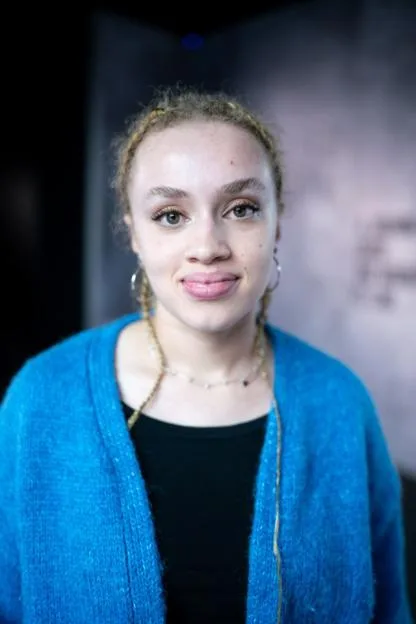
Lily Owuye, a Mission 44 graduate scholar who graduated in 2023, is now an engineer for Red Bull and working on their exciting RB17 hypercar project.

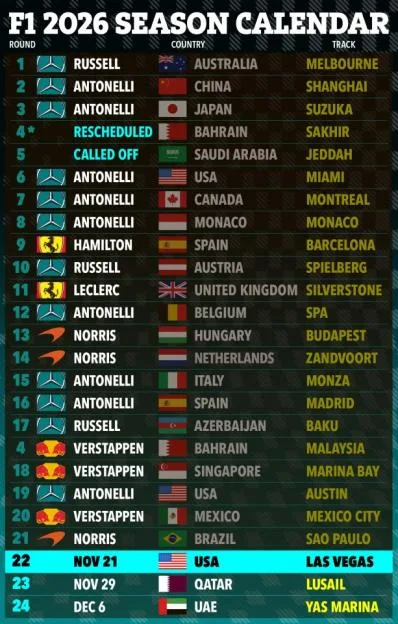
: ALL THE INFO YOU NEED
She says that without the scholarship she got through Mission 44, she could have moved into an adjacent industry such as aerospace, or would have found the path in F1 and motorsport far more difficult.
Lily, who hails from a working-class background in Warwick and had no family history of higher education or motorsport connections, told SunSport: “I acknowledge I was already privileged to be able to attend university, and even knowing I wanted to study engineering is also a massive thing.
“Winding it back to where I was during my undergraduate study, even if I knew engineering and maybe something more broadly automotive, I hadn’t quite pinned down motorsport.
“So I absolutely would credit the scholarship programme and, of course, the journey Mission 44 have been on to open those doors for people like myself, other scholars, and kind of young people across the globe…
“It was definitely a game changer for me.”
Lily also explains the frustration of perfectly capable candidates being screened out before they have any chance of meeting a person for an interview, which could lead to a brain drain on the sport long term.
She adds: “F1 does attract some of the top talent in the world, and I think the main point of this report is to say that we want to protect that.
“We want to ensure that the best talent is coming to F1 and not just coming into this sector, but also staying…
Igniting Inclusion: 3 recommendations
What. Every year, Formula 1, the FIA and all 11 teams should report the same facts to an independent data partner: who joins, who is promoted and who leaves, by gender, ethnicity and socio-economic background. The partner would then publish one sport-wide picture each year.
Alongside this, the sport should make clear what best practice in inclusive recruitment and retention looks like (in standards of accreditation), and celebrate progress through annual awards. Any signatory that is able to meet the standards set out in the accreditation would be eligible for awards, and submitting the data should be the condition of entry to both. Teams would remain in control of publishing their own headline figures.
This delivers the data commitment every signatory made when it signed the Charter.
Who. All Charter signatories; an independent data partner; an independent judging panel that includes young people; a convening partner that supports signatories on best practice and accreditation standards, and hosts the annual awards.
By when. Common measures and accreditation standards to be agreed by July 2027. First sport-wide figures and awards in 2028. Review of F1 team-level publication in 2030.
“We’ve estimated that around £50m would bring F1 in line with other sports. For example, we include examples from the , , the Premier League.
“That would be proportionate to the size of the industry, but also in terms of what’s needed to be done over the next five years.”
As F1 races towards one billion fans, it is estimated 40 per cent of new fans are women.
Cara reaffirms the need for a shared dataset to truly understand the progress the sport is making on the inclusivity and diversity front.
On whether this report and its five-year goals go far enough, she adds: “It’s difficult to say right now because we don’t have the data to confirm it.
“Some teams that publish their own data, I think it’s fair to say that diversity is improving across the board, but typically not trackside, and that’s where we want to make sure that we’re seeing equity of opportunities for young people.
“And that’s why Mission 44’s scholarship is aimed at having, um, engineers from a range of different underrepresented backgrounds in the sport, in engineering roles.
“But there’s plenty of work still to be done. I think what we’ve done so far is really raise awareness and visibility, the agenda is becoming better understood.
“It’s just an industry that really understands and believes in this. I think now our job is to make sure it leads to meaningful change for young people.”
Hamilton said of the report: “Five years ago, I launched the Hamilton Commission because I knew F1 had to change. Since then, we’ve worked tirelessly to break down barriers and open doors.
“We can’t tell young people to dream big and then not open the doors when they try to make those dreams a reality.
“We’ve shown that change is possible. Now we need to go further. The talent is out there, and the future of our sport depends on unlocking it.”