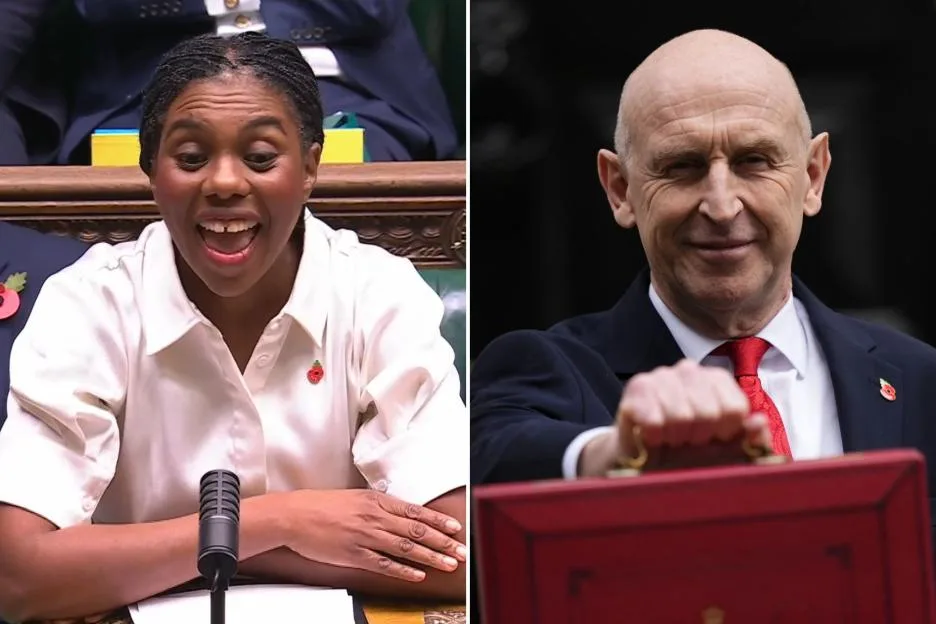
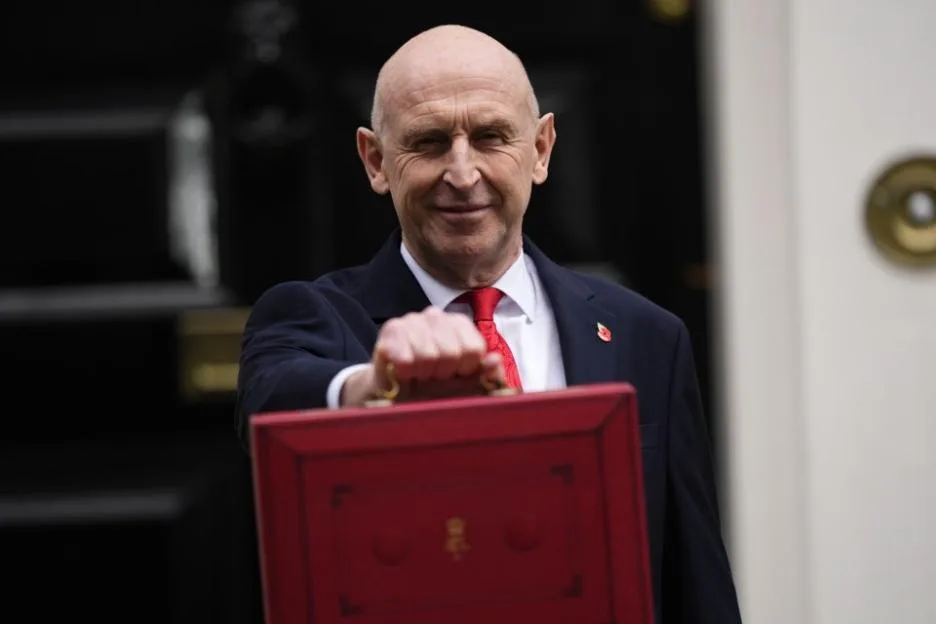
CHANCELLOR John Healey has left a gaping £49bn “black hole” in the Budget, with taxpayers left to plug the gap, Kemi Badenoch has said.
The says Labour will have to burden households with £1,700 each year to bankroll their pledges.
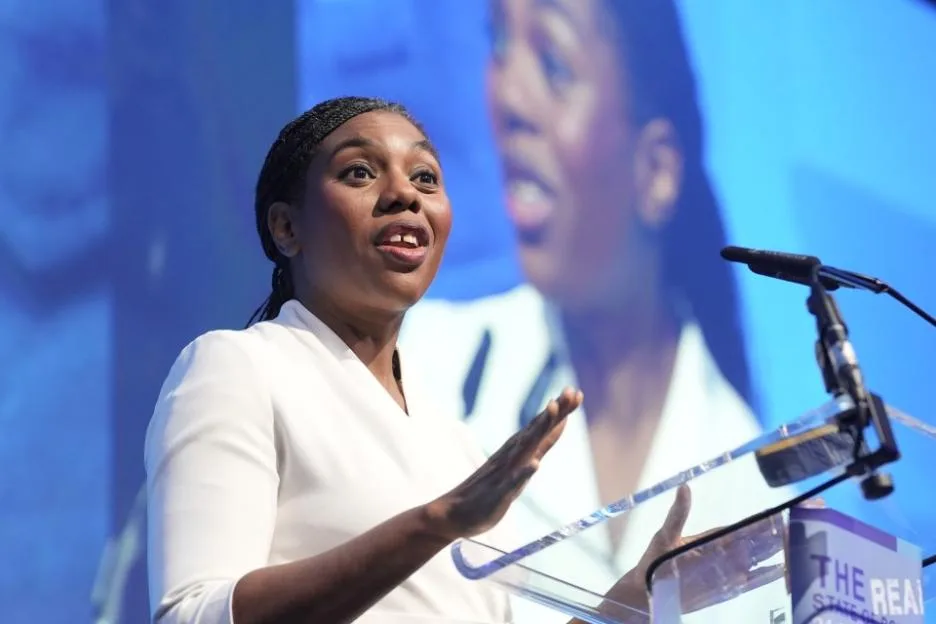
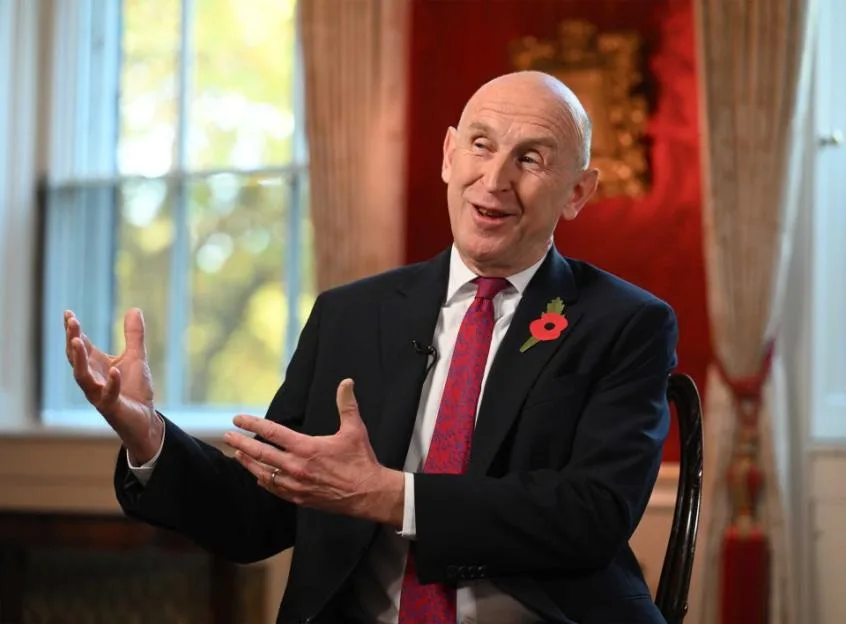
She accused Mr Healey of leaving a looming question mark over how he would meet the defence spending target of three per cent of GDP.
Mrs Badenoch forecast a £11bn shortfall by 2030-31, just as the Defence Secretary warned the country should be .
She added that the costs for would come to about £17bn, while council house development plans would cost £4bn.
The Government would also require an extra £17bn to dodge unrealistic real-terms cuts, she said.
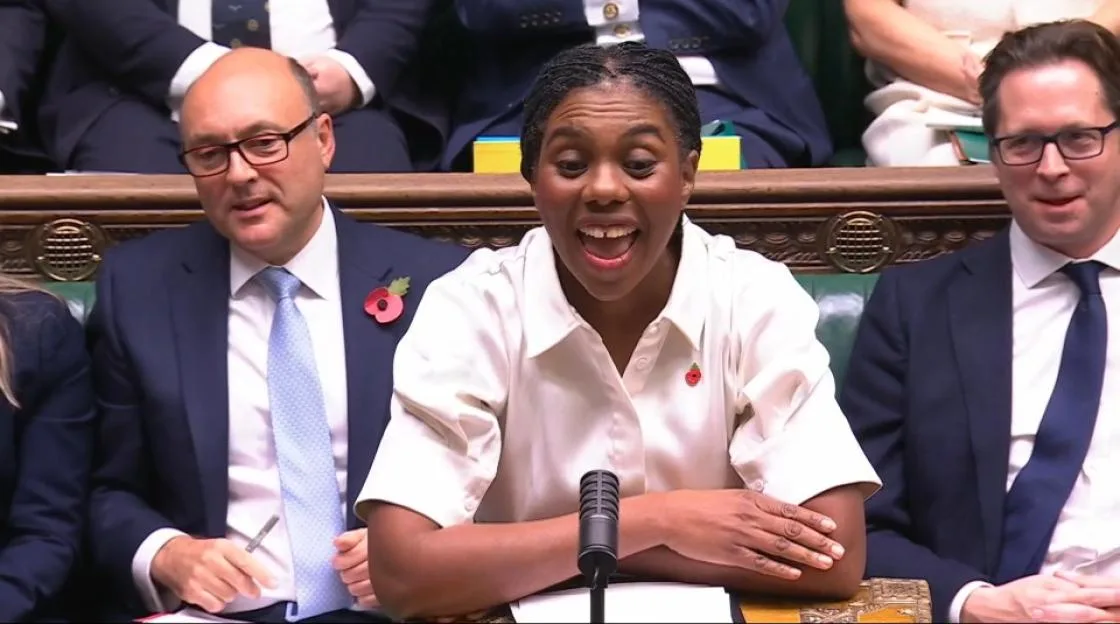
“The worst is yet to come,” she wrote in The Telegraph .
“Alongside Labour’s current plans, expensive proposals like a National Care Service and more council housing create a £49bn black hole at the heart of the public finances after this Budget.
“Who’s going to pay for it?
“The Prime Minister gave the game away on Friday when he said he would have written the 2024 manifesto differently,” she said.
It comes as the Government faces , which he promised was for “working people”.
Despite vowing to give “breathing space” to British families, a number of policies have already proven threadbare.
In its analysis, the Office for Budget Responsibility (OBR) said that major points were not possible to “fully quantify” given policy details had yet to be finalised.
It added that the “fiscal cost” of a National Care Service would be “highly dependent” on its final design.
The new model for adult social care – championed by himself – could cost anywhere between £3.5bn and £17bn a year, it claimed.
The PM had previously said he would fund the service with cuts to the triple pension lock.
Bu remain unconvinced.
Lambasting the PM, Mrs Badenoch said: “Andy Burnham doesn’t have a plan to fund defence or control welfare spending.
“He only says he plans to get a plan at some point.”
To meet the ambitious target of launching the biggest council housing building programme since the post-war boom ended, Labour would have to fork out an additional £3bn – on top of a yearly £4bn in operational costs.
The Government would need an extra shock-absorbing £28bn to battle departmental pressures – including the £11bn in defence spending, the Institute for Fiscal Studies (IFS) said.
The research body has also expressed scepticism over Labour’s willingness to deliver on real-terms cuts.
The Chancellor noticeably avoided action on the in his Budget, later until the next .
The OBR forecasts that total welfare spending will increase from £314.8bn in 2024-25 to £406.9bn in 2030-31, equivalent to 11.2 per cent of GDP.
Frozen and National Insurance Contribution thresholds have also threatened to , the OBR has warned.
Andrew Griffith MP, the shadow chancellor, said: “Britain is facing a fiscal cliff edge. Yet Andy Burnham has decided now is the time to open up another huge black hole in our country’s finances.
“We will all pay the price for it, with higher taxes and ever-higher borrowing. Instead of using the Budget to get a grip, Labour have kicked the can down the road yet again.”
A Treasury spokesman described the Conservative findings as “fiction”.
They added: “The Budget meets our fiscal rules, fully funds our defence investment plan and puts borrowing on a clear downward path.
“This Government has a consistent track record of meeting these targets, and it’s through careful management of the public finances that we’ve been able to give Britain breathing space on the cost of living and cost of business.”