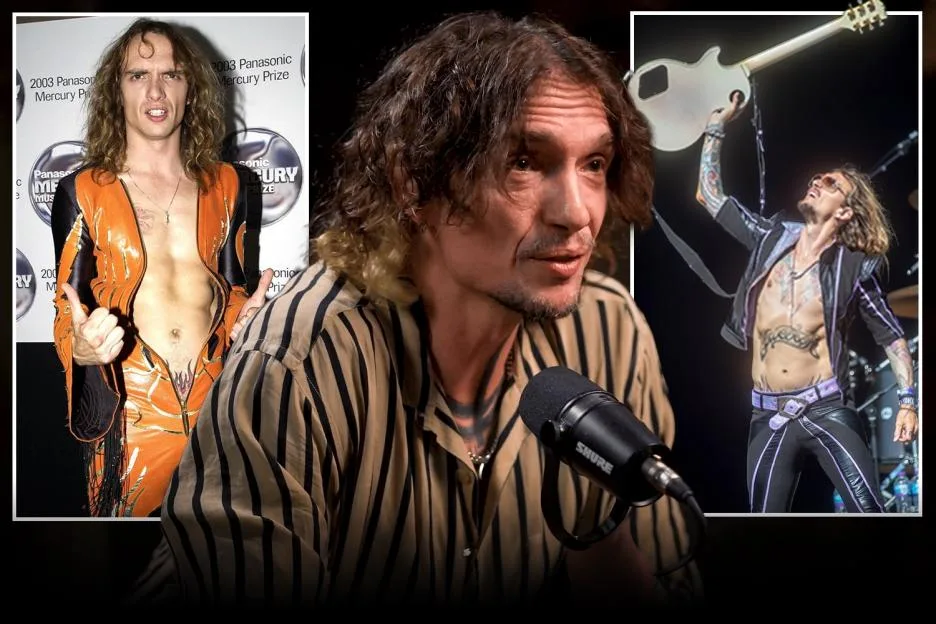
LEAD singer of The Darkness Justin Hawkins has revealed the stomach-churning impact his cocaine addiction had on his body.
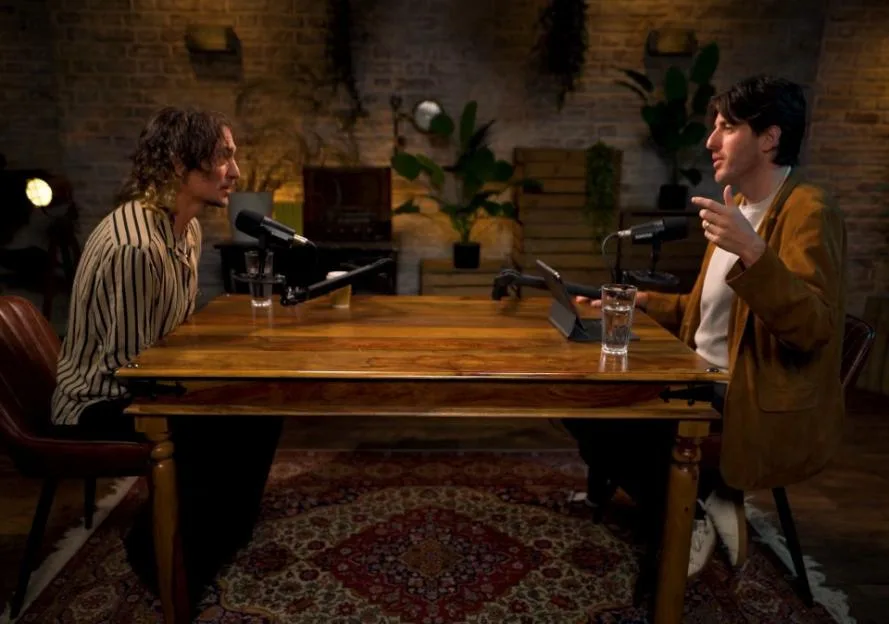
Now 20 years sober, the British rocker, 51, has opened up to the Heretics podcast on how the drug dominated his life – and what made him stop.
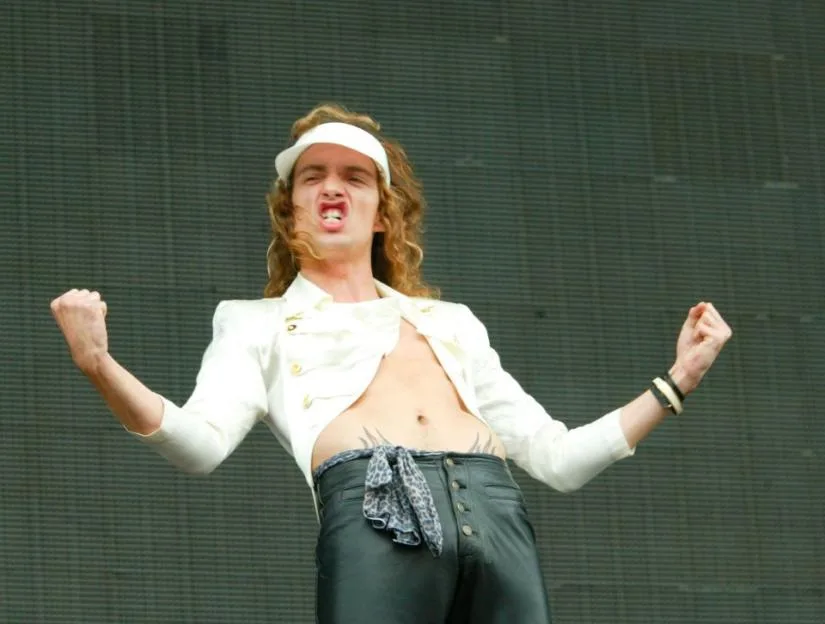
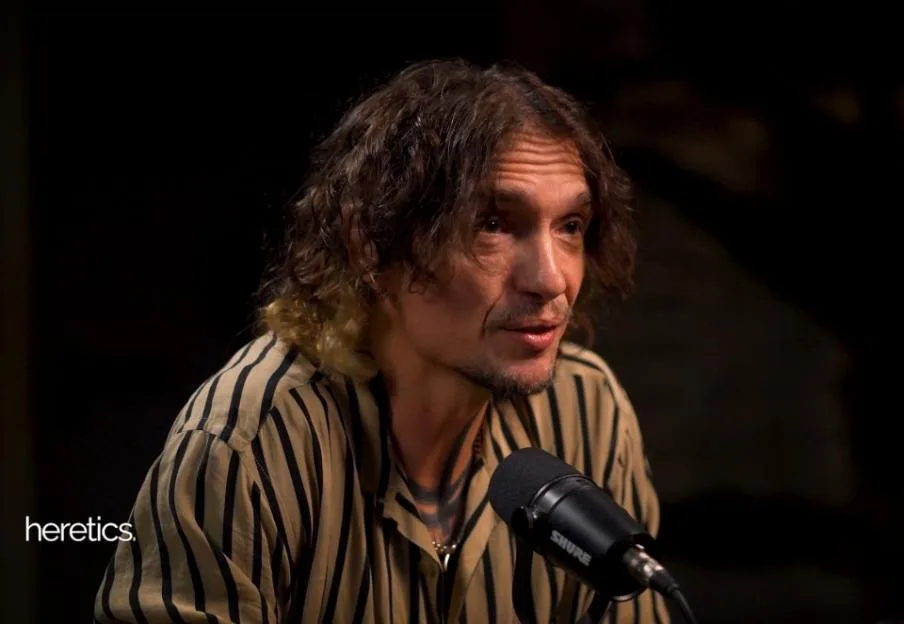
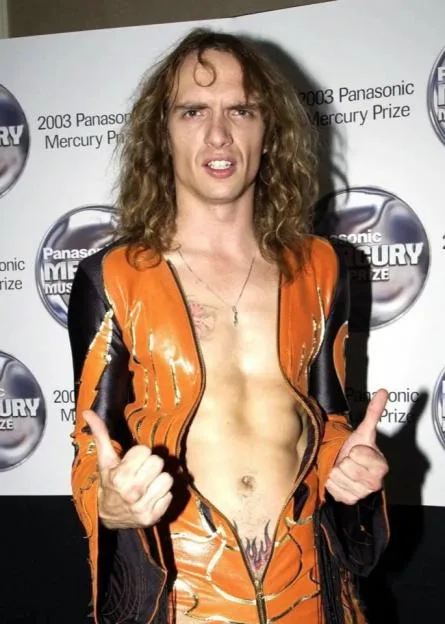
Speaking candidly, Justin told podcaster Andrew Gold how his addiction began before The Darkness shot to fame with 2003 hit I Believe In A Thing Called Love.
Looking back on the time he was hanging out with the likes of Amy Winehouse and Pete Doherty in London, he said: “I was pretty anti drugs. And then I thought – f*** it, everyone else is so I might as well give it a go.”
He added: “I would drink a lot, and then think, ‘Well I don’t know how much drink I can take, lets have some coke’, and then I can carry on the party.”
The frontman said the Class A drug helped him show off and act outrageous in front of record label execs – who lapped up his rock ‘n’ roll antics.
He said: “What I noticed was there was a correlation between how much cocaine I was doing and how successful the band was becoming.
“And the more outrageous the stuff I was doing, the really, really bad behaviour, seemed to make us a more bankable and viable proposition.
“When we started to find ourselves on the radar of major record labels I was f***ing up those meetings by turning up in a right state and asking for cocaine as soon as I got there.”
In 2006, he confessed to The Sun to having spent over £150,000 on cocaine in three years.
He said at the time: “I was consuming up to five grams a day which cost me £1,000 a week, sometimes more.
“I regularly used to stay up for four days at a time on coke and alcohol binges… it affected every single decision I made,” he added.
“Everything was decided on the basis that I wanted to take cocaine at some point.”
The band – hailing from Lowestoft, Suffolk – stood out with their flamboyant shows, falsetto vocals, and retro sound straight out of the glam rock era.
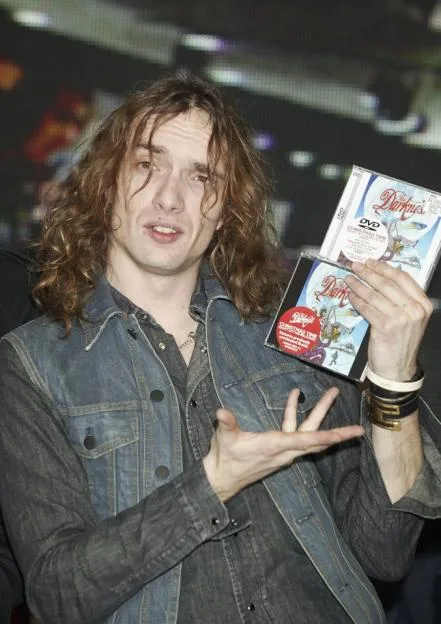
With Justin’s brother Dan on the guitar, their debut single reached no 2 in the UK charts, as did Christmas single .
But throughout his success, his drug taking left him physically falling apart.
He said: “I can still remember the smell of cocaine. And the numbing.
“I remember bits of my nose falling out. Whole tubes of, like, the mucus structure coming out.”
In August 2006, Justin entered rehab for substance abuse and quit The Darkness – before reuniting in 2011.
In the podcast, he alludes to something “really bad” which caused him to decide to conquer his addiction.
“There was something bad. Something really bad happened,” he said.
“But those are what you might call the wake up calls.
“There were a lot of moments that I’m only going to euphemistically refer to because there’s some stuff that happened that was so cataclysmically awful that it changed my life.
“There’s moments where you feel shame, where you’ve hurt other people.”
Justin has put his wild child days behind him and hasn’t touched drugs or booze in two decades.
“It’s one day at a time,” he said on his sobriety.
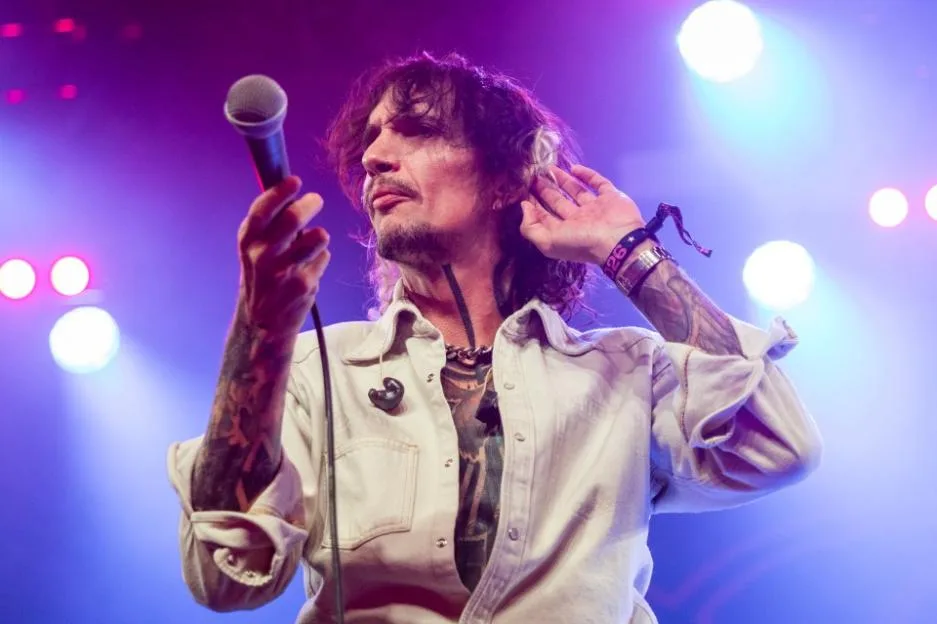
The Darkness are set to release an album and tour at the end of the year – their seventh since reuniting 15 years ago.
The new album, Crock of Hits, is a compilation of some of the band’s work and will be released in November – but Justin was keen to avoid calling it a greatest hits album.
He said: “I’m very careful not to say greatest hits because it’s not singles. It’s some interesting stuff.
“The way we have chosen these songs is with much more of a view to showing different sides of what we’ve experimented with in studios over the years.
Justin has also seen immense success with his YouTube channel, Justin Hawkins Rides Again, counting more than 650,000 subscribers and regularly posting music analysis, industry commentary, and song breakdowns.
He has a young daughter – who he said was a fan of Taylor Swift – and lives in Switzerland with his partner Désirée Mishoe.
But Justin didn’t shy away from calling out “rich kids” in the music industry – blaming them for the lack of rivalries in music.
He said: “Blur and Oasis was the last of that kind of attitude. That sneering, snarky thing.
“In the noughties everybody started being nice to each other.
“Rock stars should be horrible.”
He explained: “To exist in the music realm and make a touring company that’s profitable is almost impossible so the only people who actually do it have got a load of money anyway and they’ve got nothing to lose.
“And there’s a safety net. And the safety net never used to exist so people were spikey they were prickly, they took every opportunity they could, and if that meant shooting down their rival… that’s what you had to do.
“And I think that’s where those rivalries came from and that’s why they don’t exist anymore because the only people doing music are rich kids.
“And they aren’t rockstars because they don’t matter. Music doesn’t f***ing matter anymore.”
Heretics with Andrew Gold is available on Spotify or YouTube.
GETTING HELP
IF you think that you or a loved one have a drug addiction then your GP should be contacted.
You can also visit FRANK for honest information about drugs and to find local treatment services.
If you are having trouble finding the right help, call the FRANK drugs helpline on 03001236600
Or click here to visit the NHS website for more advice and support