HORMONE replacement therapy (HRT) taken during menopause could increase your risk of suffering a dangerous blood clot, a study has found.
This risk was associated with oral and was present regardless of the dose of the medicine or the amount of time it was taken.
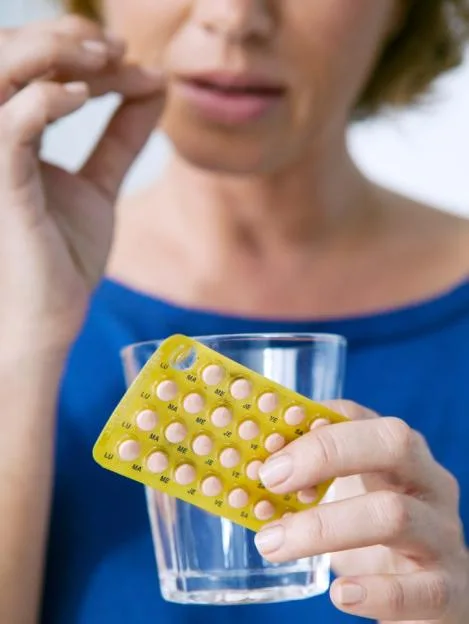
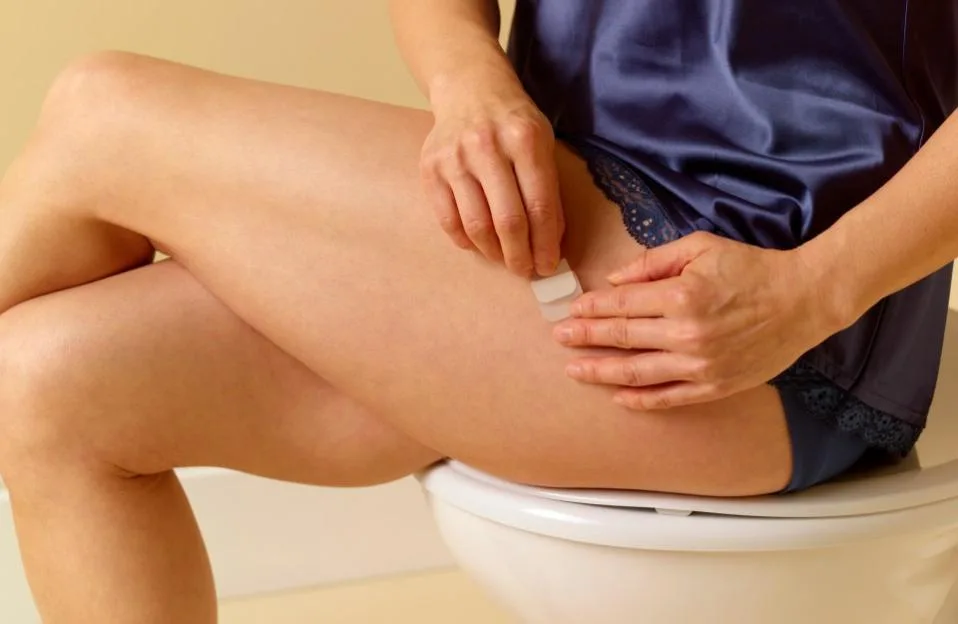
HRT is a treatment used to help women with symptoms, replacing oestrogen and progesterone hormones that fall to low levels.
A record two million women aged 40 and over were prescribed HRT in in 2025/26, the Business Services Authority (NHSBSA) revealed earlier this year.
But now, research published in The BMJ has suggested that taking oral HRT is associated with an increased risk of and lungs.
Researchers analysed the data of thousands of women in aged between 50 and 69, identifying people who had suffered from blood clots, a or heart attack between 2003 and 2021.
Women’s prescription records were then used to see if there were any links between use and these health events.
Scientists found that oral oestrogen therapy – either on its own or with progesterone – was associated with a 0.09 per cent increased rate of blood clots (known medically as venous thromboembolism) per year.
This equates to one extra person getting a serious blood clot per 1,000 women per year.
They also observed that rates of ischaemic stroke increased by 0.06 per year while heart attack rates rose by 0.03 per cent.
The study also suggested that the risk of heart attack and was linked to prolonged use of high-dose oral HRT, specifically above 1mg/day for more than a year.
This risk rose with longer use, researchers found.
They noted, however, that the use of transdermal therapy did not increase women’s risk of blood clots, regardless of dose or duration used.
This form of HRT is delivered through the skin via patches, gels or sprays.
What to know about HRT
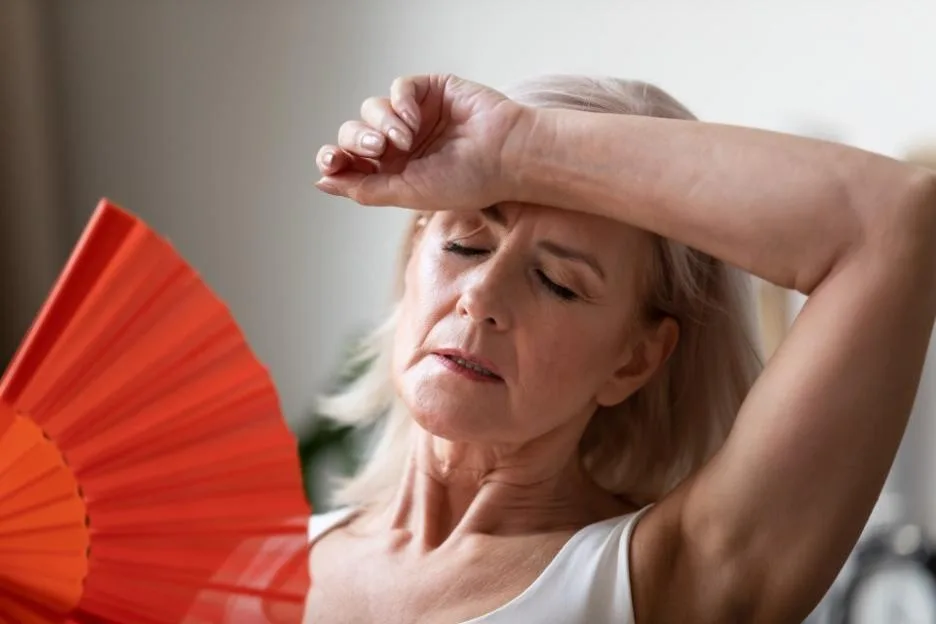
Hormone replacement therapy (HRT) is a treatment used to help menopause symptoms. It replaces the hormones oestrogen and progesterone, which fall to low levels as you approach the menopause.
Menopause symptoms that HRT can help to treat include:
- hot flushes
- night sweats
- sleep problems
- mood swings
- anxiety and low mood
- vaginal dryness
Oestrogen and progesterone are an essential part of period cycles, ovulation and pregnancy. They also keep your bones healthy. As you get older, the loss of these hormones can have a big effect on your body.
To replace these hormones, you’ll usually take a combination of oestrogen and progestogen. If you’ve had a hysterectomy to remove your womb you can take oestrogen on its own.
Source: NHS
Study authors said these findings highlight the importance of delivery route in minimising the risk of blood clots.
It is important to note, however, that this was an observational study so the cause and effect of these events cannot be established.
Authors also said that these results may not apply to more ethnically diverse groups.
Reacting to the study, Robert F. Storey, a professor of cardiology at the University of Sheffield, said: “The increased risk of stroke and associated with high dose oral oestrogen replacement reported in this study raises concerns about this treatment, even though it remains uncertain whether this treatment is directly responsible.
“The study emphasises the superior safety of patches over oral treatment and, in view of their higher cost, further cost-effectiveness analyses are warranted to guide who these should be prioritised for.
“Evidently, they should be a priority in anyone who has an increased risk of leg vein clots, stroke or heart attack.”
Professor Cindy Farquhar, a professor of obstetrics and gynaecology at the University of Auckland emphasised, however, that the overall risk of getting a blood clot is still “fairly small”.
And Professor Andrew Shelling, from the department of obstetrics, gynaecology and reproductive sciences at the University of Auckland said: “The absolute risk is low in most women and is outweighed by the of menopause symptom relief.”
Also commenting on these findings, Dr Evie Kendal, an associate professor of health promotion at Swinburne University of Technology, , said that they have the potential to “influence future treatment decisions” for people going through menopause.
is caused by a fall in , usually affecting women between the ages of 45 and 55.
It is estimated that there are currently around 13 million perimenopausal – when your periods start to become irregular – or menopausal women in the UK.
Around 80 per cent of women experience symptoms such as anxiety, brain fog, low mood, night sweats and hot flushes during menopause and many women turn to HRT to help.