DEER antlers could hold the key to quickly repairing broken bones in humans, research has suggested.
Every year in the , male deer grow a new larger pair of antlers.
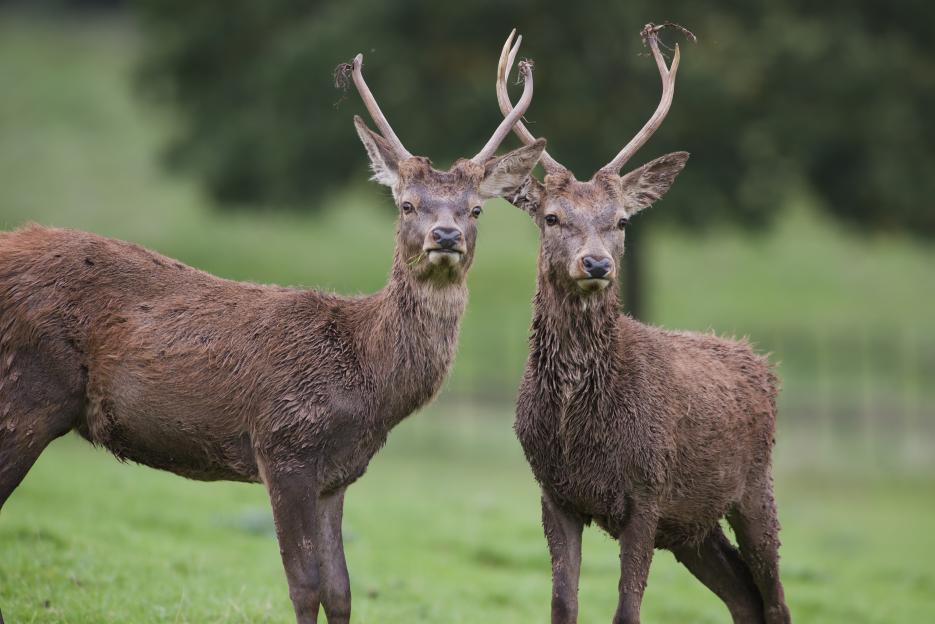 Male deer grow a new larger pair of antlers each Spring Credit: Getty
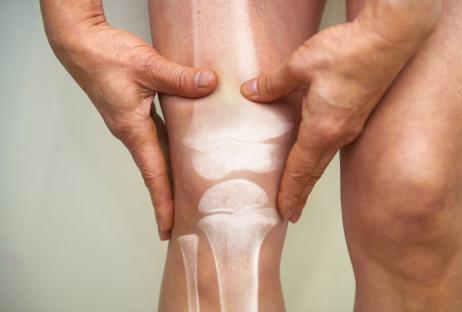 The NHS typically treats around 500,000 fractures every year in the UK Credit: Getty
Growing antlers are wrapped in a soft, fuzzy skin, known as velvet, which is packed with blood vessels that supply oxygen and nutrients to build the bone.
Now, according to US and Chinese scientists, chemicals in these antlers may help accelerate the process to repair bone fractures to just days.
In tests on mice they found that when the chemicals are injected into their bodies, fractures mended in under half the time it typically takes.
Research currently suggests that up to 10 per cent of to heal properly.
But writing in a medical journal, the scientists from Washington University in the US and Ningbo University in Eastern China, suggested that the chemicals from deer antlers could eventually become a new way to enhance healing fractures.
In the study, the scientists discovered the antlers contain more than 300 polypeptides.
After injecting them into mice with fractured limbs, they found that the deer antler polypeptides “substantially accelerated mouse fractures by enhancing callus formation”.
Callus formation is the process that occurs after a fracture when cartilage and bone helps heal the bone and remodels it.
Within a week, bones had joined together, the scientists found.
By comparison, it typically takes two or three weeks for this to happen.
In mice injected with the chemicals, their fractures had healed completely after 21 days, compared to the five weeks it usually takes.
Writing in the Journal of Orthopaedic Translation , the scientists said: “Despite of various treatments including surgery, physiotherapy and biologics, approximately five to 10 per cent of fractures still progress to delayed healing.
“Fracture patients are subjected to prolonged rehabilitation, substantial physical pain and psychological distress, imposing significant burdens on the healthcare system.
“Therefore, there is an urgent need to develop novel therapeutic strategies for enhancing fracture healing.”
They added: “Deer antlers are the only mammalian organ capable of complete regeneration, enabling them to form a new functional antler through production of bone, cartilage, blood vessels, nerves and skin within a few months.”
The typically treats around 500,000 fractures every year in the UK.
Previous research has also found that velvet on deer and reindeer could help heal severe human skin injuries and burns, while compounds found in antlers may ease arthritis.