
Dangote Refinery IPO Rush Exposes Stress Points in Nigeria’s Fintech Infrastructure
The Dangote Refinery IPO overwhelmed several Nigerian investment platforms, exposing fintech scaling and third-party risks while widening retail market access.
 Written byEze Chidiebere Paul

The rush by Nigerian retail investors to participate in the Dangote Petroleum Refinery IPO has become an unexpected stress test for the country's digital investment infrastructure. Several platforms experienced outages or access problems as users tried to subscribe to the offer, according to Reuters, highlighting both the growing reach of fintech and the operational pressure that comes with mass-market participation.
The disruption does not by itself indicate a failure of digital investing. In fact, the opposite lesson is equally important: millions of people can now reach capital-market products through mobile apps, online brokers and other digital channels that were far less accessible to ordinary investors a decade ago. But when demand spikes suddenly, that access depends on systems being able to scale safely and reliably.
What happened when the IPO opened
Reuters reported that Bamboo saw traffic rise to about ten times normal levels within 30 minutes of the IPO going live. Bamboo co-founder and chief operating officer Yanmo Omorogbe said the surge affected not only the company's own systems but also some third-party service providers, compounding the disruption.
Users of Cowrywise and InvestNaija also reported difficulties accessing services or completing transactions. InvestNaija temporarily directed users towards its WhatsApp channel after its platform was overwhelmed. Reuters said Bamboo and InvestNaija had returned to normal operation by Wednesday.
The outages are an important reminder that a fintech product is only as resilient as the full chain behind it. A smooth mobile interface may depend on identity services, payment processors, banks, cloud infrastructure, market intermediaries, messaging providers and other third parties. If one layer struggles, repeated customer retries can increase load on the rest of the system.
Why the Dangote IPO created unusual pressure
The public offer is one of the largest share sales ever attempted in Africa and is being marketed for broad participation. The minimum subscription is only 10 shares, making the entry point far lower than many traditional large-company offers.
That combination — a nationally recognised industrial brand, a low minimum investment and easy digital access — created conditions for a large influx of first-time and occasional investors. NGX Group chief executive Temi Popoola said demand was high enough to crash some investment applications when the offer opened.
Neither Dangote nor the underwriters had published demand figures at the time of Reuters' report, so app traffic should not be treated as a direct measure of final IPO subscriptions. What it does demonstrate is the scale of consumer interest being pushed through digital channels.
The infrastructure lesson for Nigerian fintech
High-growth financial technology companies usually design for predictable peaks, but events such as a blockbuster IPO create a different kind of workload: huge bursts of logins, identity checks, account funding, quote requests, order submissions and transaction retries within a short period.
Resilience therefore requires more than adding servers. Platforms need capacity planning, queue management, idempotent transaction handling, clear failure states, rate limiting, observability and fallback paths that prevent users from submitting the same instruction repeatedly when a response is delayed.
Third-party dependencies also need to be included in stress testing. If a brokerage can scale its own application but a payment provider or identity service cannot absorb the same surge, the customer still experiences a failed transaction. Strong service-level agreements, multi-provider strategies where appropriate and rehearsed incident-response procedures become increasingly important as fintech platforms move into mass-market investing.
Investor protection matters as access expands
The Nigerian Securities and Exchange Commission has also warned the public to use only officially designated and approved channels for the Dangote offer. Its guidance tells prospective investors to verify websites and platforms before providing personal or financial information, avoid unsolicited messages promising allocations, and confirm that operators are properly registered.
That warning matters because periods of intense public interest are attractive to scammers. Reuters noted concerns about phishing messages, cloned investment websites and impersonation attempts aimed particularly at inexperienced investors.
For users, the safest response to an outage is not to follow an unverified link promising a faster route into the offer. Investors should return to the official IPO information, approved intermediaries and SEC-verified channels before sending money or personal details.
A positive signal with an engineering warning
The problems exposed by the IPO are significant, but so is the opportunity behind them. Digital investment platforms are helping broaden access to Nigeria's capital markets, including for people who may never have used a traditional stockbroker.
If platforms can turn this week's stress test into better capacity planning, stronger third-party resilience and clearer customer communication, the same infrastructure will be better prepared for future public offers and other high-demand financial events.
The lasting lesson is therefore bigger than one IPO or one app outage: Nigeria's retail investment market is becoming more digital, and the infrastructure supporting that shift now has to operate at mass-market scale.
This article is for general information and does not constitute investment advice.
Sources: Reuters and the Securities and Exchange Commission, Nigeria .
Continue reading

Anthropic Weighs New AI Model as OpenAI’s GPT-6 Astra Intensifies Enterprise Race
Anthropic is considering a new AI model as OpenAI’s GPT-6 Astra gains enterprise momentum, raising questions about safety, competition and IPO timing.

Cloudflare Lets Websites Block AI Training Without Leaving Search
Cloudflare's Disallow AI Training setting separates traditional search discoverability from AI-training permission for mixed-use crawlers such as Googlebot, Bingbot and Applebot.
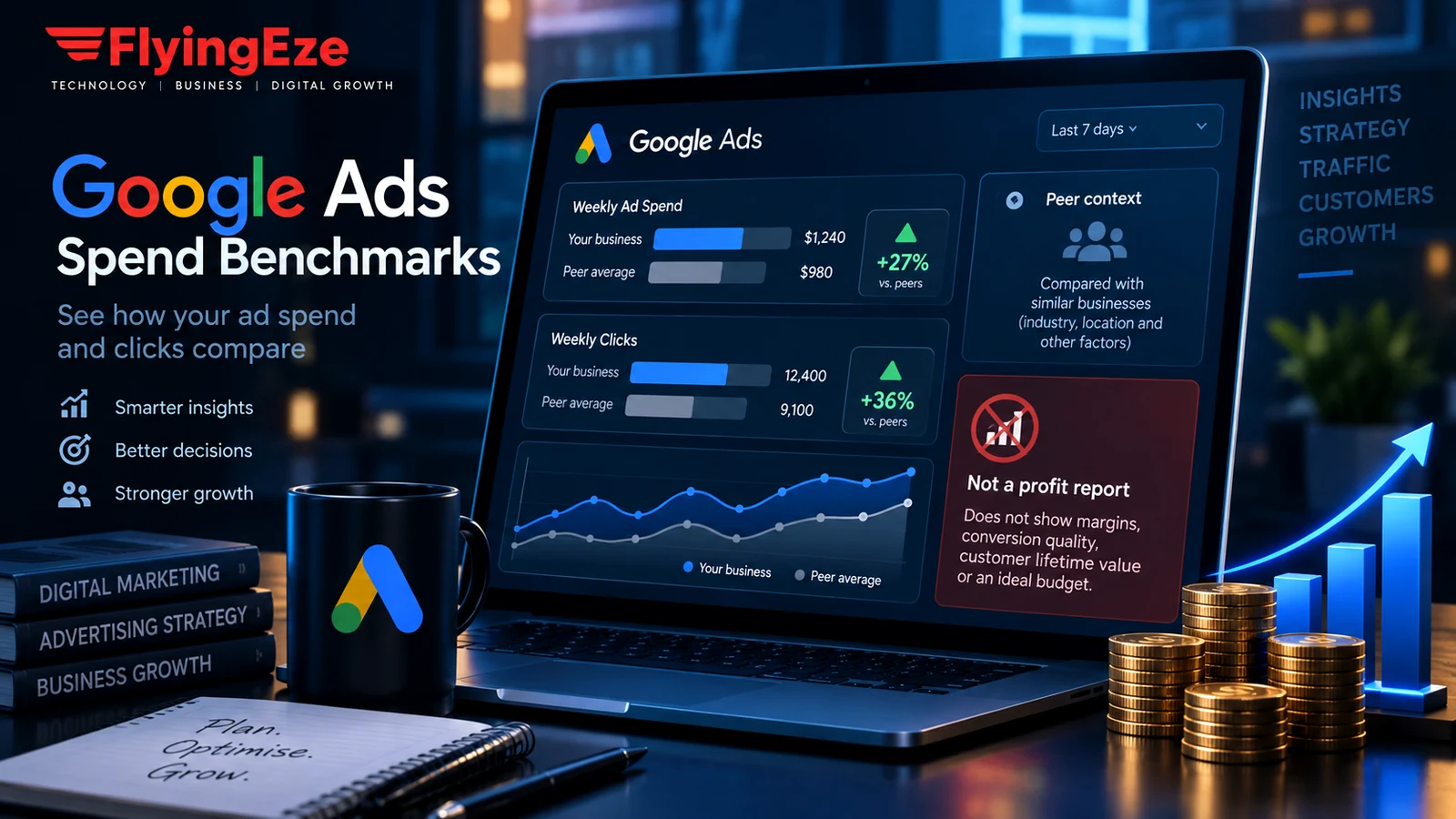
Google Ads Adds Spend Benchmarks to Compare Your Budget With Similar Advertisers
Google Ads is surfacing a Spend Benchmarks report that compares weekly ad spend and clicks with similar businesses, offering context rather than a profitability target.

OpenAI Turns ChatGPT Ads Into Conversations With Sponsored Agents
OpenAI is testing Sponsored Agents in ChatGPT Ads with selected US advertisers, alongside new AI campaign tools and HubSpot and Shopify integrations.