
Anthropic Weighs New AI Model as OpenAI’s GPT-6 Astra Intensifies Enterprise Race
Anthropic is considering a new AI model as OpenAI’s GPT-6 Astra gains enterprise momentum, raising questions about safety, competition and IPO timing.
 Written byEze Chidiebere Paul

Anthropic is considering releasing another artificial-intelligence model as competition with OpenAI intensifies in the enterprise market, according to Reuters. The important word is considering: Anthropic has not announced a new model, release date or product name, and the company declined to comment to Reuters.
The deliberations come after OpenAI launched GPT-6 Astra earlier in September. OpenAI describes Astra as its most capable model for demanding work spanning coding, computer use, research and professional tasks. Reuters reports that Astra has quickly gained traction with business users, increasing competitive pressure on Anthropic ahead of an expected initial public offering.
Why Anthropic may be considering another model so soon
Anthropic is already operating on a fast product cycle. Earlier this month it introduced Claude Fable 5.1 and Claude Mythos 5.1, positioning them for coding, knowledge work, research and higher-risk trusted-access use cases. A further release would therefore be less about entering a new market than defending momentum in a market where enterprise customers increasingly compare frontier models on capability, reliability, cost, security and integration.
Reuters said three sources familiar with the matter described Anthropic as weighing the timing of a potential launch in response to OpenAI's momentum. The same report said Anthropic is evaluating the safety of its next model as part of those deliberations.
That creates an unusually visible tension. Anthropic chief executive Dario Amodei has argued publicly for slowing the pace at which the industry releases increasingly capable systems so that safeguards can catch up. At the same time, commercial AI companies face strong incentives to keep improving products when rivals are shipping new capabilities and enterprise buyers can switch providers or split workloads across several models.
GPT-6 Astra has changed the competitive conversation
OpenAI launched GPT-6 Astra on 3 September. Its official materials emphasise major gains in computer use, software engineering, cybersecurity, science and professional work. OpenAI has also described Astra as reaching its “Critical” cybersecurity-capability threshold under its Preparedness Framework, which led the company to strengthen safeguards around deployment and internal use.
Reuters cited two useful but limited market signals. Corporate expense platform Ramp said Astra recently accounted for about 13% of enterprise AI spending that it tracks, compared with roughly 8% for Anthropic's Claude Fable. OpenRouter, which routes developer traffic among models, also said spending on OpenAI models exceeded spending on Anthropic models on its platform during a recent week for the first time in more than two and a half years.
Those figures should not be treated as a complete measurement of the global enterprise AI market. They cover specific platforms and customer populations. They do, however, show why investors and enterprise buyers are paying close attention to short-term shifts in model usage.
The next battle is not just about benchmarks
For business customers, frontier-model competition increasingly extends beyond benchmark scores. Enterprises care about the total operating picture: API reliability, data controls, security, latency, context limits, tool use, model governance, deployment options, support and predictable costs.
That means Anthropic does not necessarily need to “beat” Astra on every benchmark to remain competitive. It needs to give organisations a reason to keep Claude embedded in production workflows, while demonstrating that new capabilities can be deployed with safeguards that satisfy regulated and risk-conscious customers.
Open-source and open-weight models add another layer of pressure. Reuters noted that enterprises increasingly have options to run more AI infrastructure themselves, potentially reducing dependence on a single commercial model provider. As those alternatives improve, the largest AI companies have to compete simultaneously on capability, economics and trust.
Why IPO timing matters
The model debate is unfolding alongside Anthropic's expected IPO. Reuters reported that the company could push the offering until after the November US midterm elections and that investors are examining how aggressively Anthropic should spend on model development versus improving profitability.
For a prospective public company, that trade-off matters. Frontier-model development requires enormous spending on computing, talent, safety work and infrastructure. Public-market investors may reward growth, but they also tend to demand clearer evidence that heavy investment can eventually produce durable margins and cash flow.
What happens next
For now, there is no confirmed new Anthropic model to evaluate. The most reliable conclusion is that the company is actively considering how to respond to a faster-moving competitive environment while continuing its safety review process.
If Anthropic proceeds, the details that matter will be the actual model capabilities, pricing, deployment options, safety evaluations and availability—not simply whether it launches quickly. Until the company makes an official announcement, reported plans should remain framed as deliberations rather than a finished product roadmap.
Continue reading

Google Ordered to Open Up Ad Tech Auctions but Avoids Breakup
Google must loosen parts of its ad-tech stack, support rival integrations and accept six years of monitoring, but the court stopped short of forcing an AdX breakup.

Dangote Refinery IPO Rush Exposes Stress Points in Nigeria’s Fintech Infrastructure
The Dangote Refinery IPO overwhelmed several Nigerian investment platforms, exposing fintech scaling and third-party risks while widening retail market access.

Cloudflare Lets Websites Block AI Training Without Leaving Search
Cloudflare's Disallow AI Training setting separates traditional search discoverability from AI-training permission for mixed-use crawlers such as Googlebot, Bingbot and Applebot.
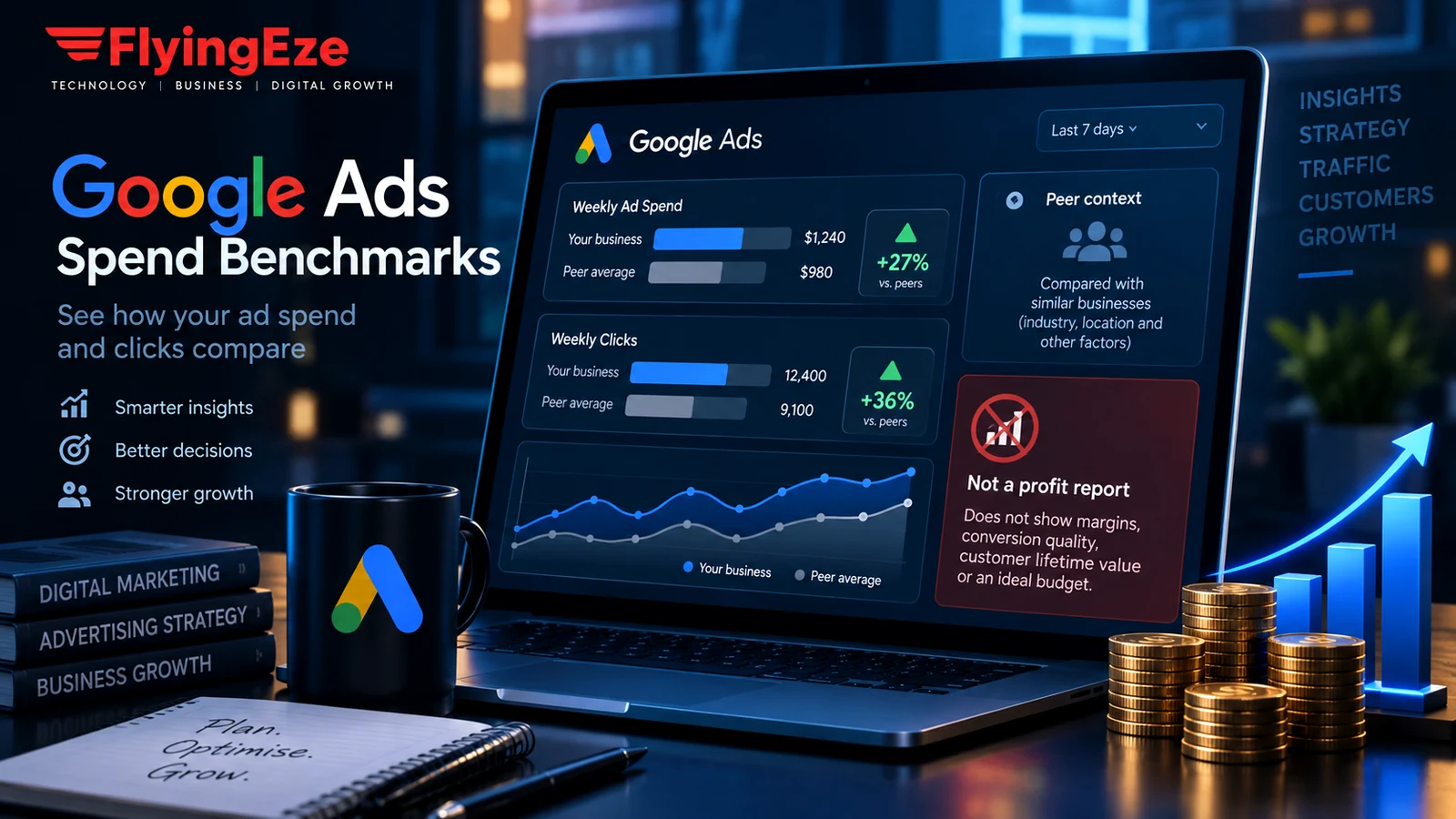
Google Ads Adds Spend Benchmarks to Compare Your Budget With Similar Advertisers
Google Ads is surfacing a Spend Benchmarks report that compares weekly ad spend and clicks with similar businesses, offering context rather than a profitability target.