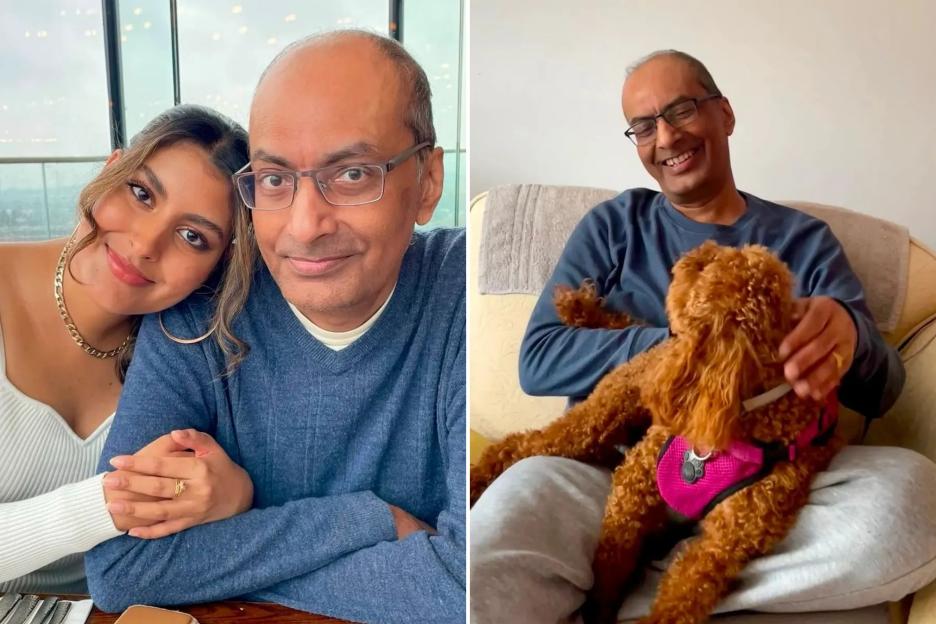
HARMI Kainth initially wasn’t worried when he noticed pain in his belly, thinking he’d “pulled an ab muscle”.
When it still hadn’t faded after a month, doctors put the pain down to acid reflux.
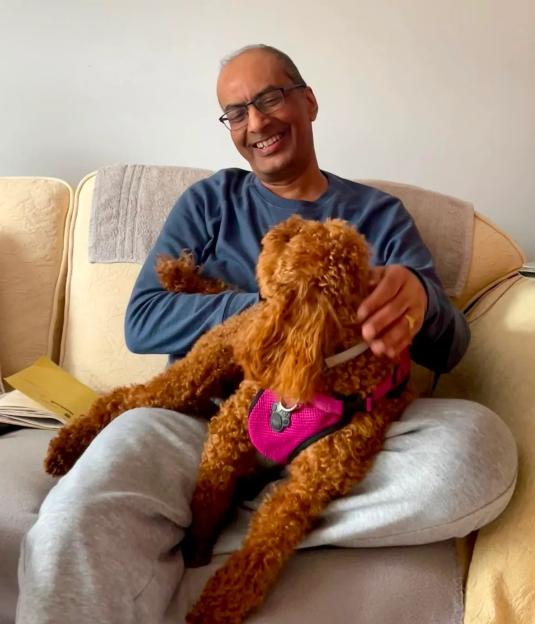 Harmi Kainth initially put his abdominal pain down to a pulled muscle Credit: PA Real Life
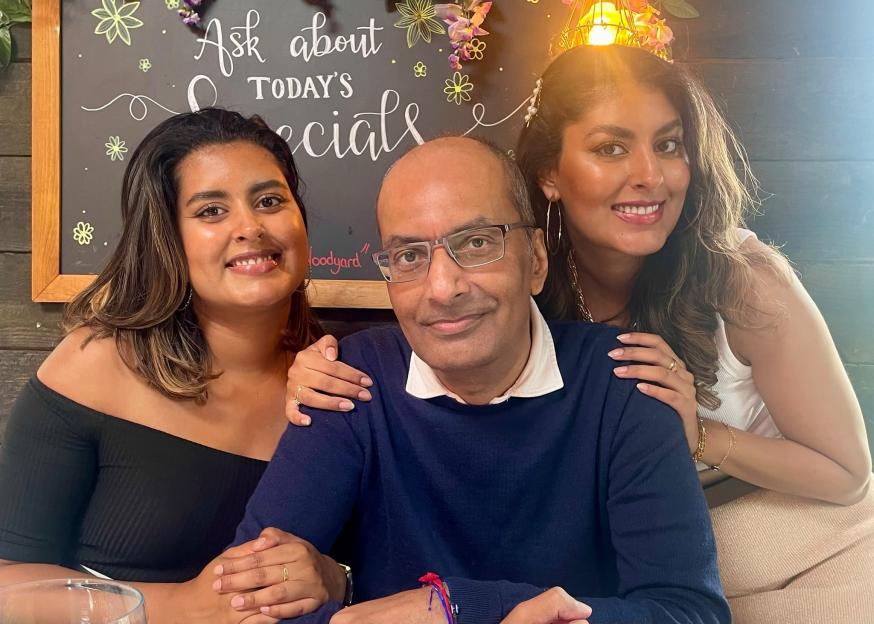 The dad with his daughters Tasha and Serena Credit: PA Real Life
But Harmi, dad to twins Serena and Tasha, 30, soon began feeling unusually tired.
Serena said: “He’d just lie on the sofa all day because he didn’t have the energy to move.”
By July 2022, four months after he first got an ache in his abdomen, he’d lost more than four stone, couldn’t eat and had “constant hiccups” that prevented him from sleeping.
Harmi’s skin and eyes also began to go yellow and he “couldn’t even walk up the stairs” without losing his breath.
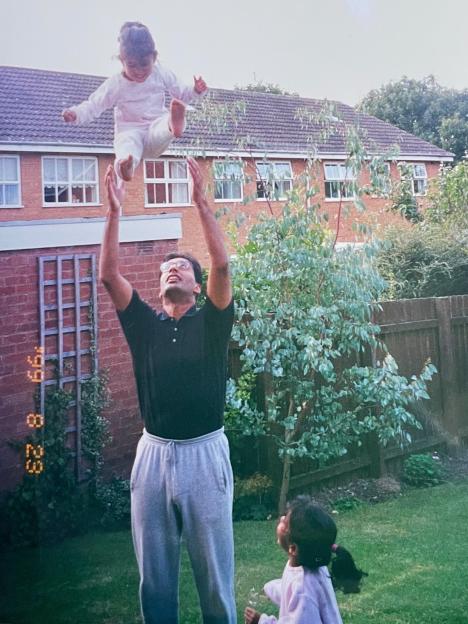 Serena, Tasha and Harmi when they were younger Credit: PA Real Life
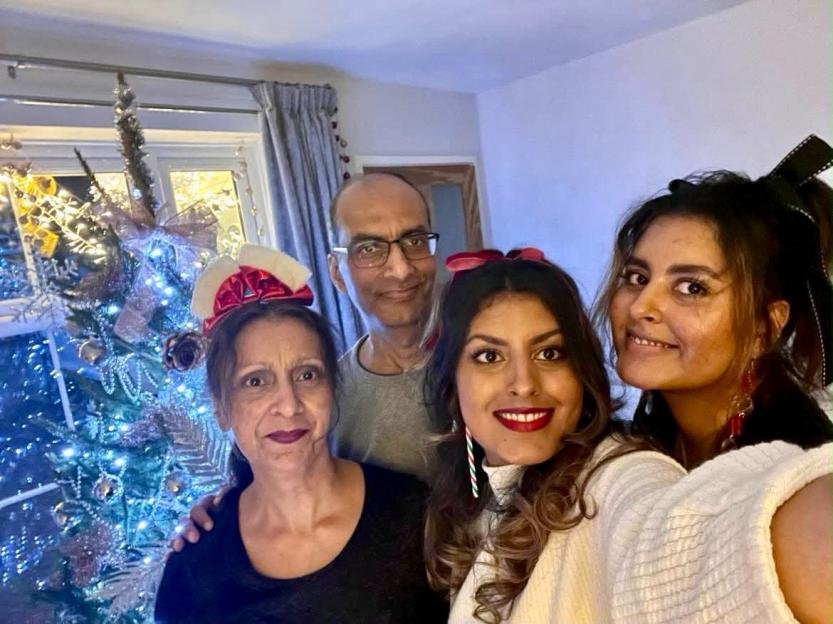 Serena, Tasha, Sharan and Harmi Credit: PA Real Life
After a CT scan, Harmi, from Solihull, was diagnosed with – a type of cancer affecting around two in every 100,000 people – in August that year, aged just 59.
The rare cancer is found in the bile ducts – small tubes that connect different organs, including the liver and gall bladder.
Harmi underwent multiple rounds of chemotherapy and surgeries, and visited A&E six times for life-threatening emergencies like .
He was admitted to a Marie Curie hospice in October 2024, where he died “peacefully” a week later, aged 62.
Tasha and Serena described their father as a “great dad” who was “always there” for them but didn’t like to worry anyone else about his .
Serena said Harmi first “tried to hide” his abdominal pain and fatigue when he noticed them in March 2022.
When his symptoms did not improve after a month, his wife, Sharan, encouraged him to go to the doctor – where he had blood tests and he was prescribed acid reflux tablets.
Tasha said Harmi’s blood tests initially came back “fine” but when his symptoms did not improve that , further blood tests showed his liver functions “starting to change”.
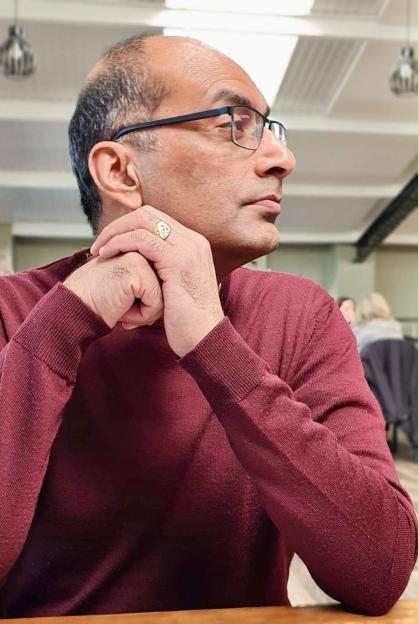 Harmi died aged 62 after being diagnosed with rare bile duct cancer Credit: PA Real Life
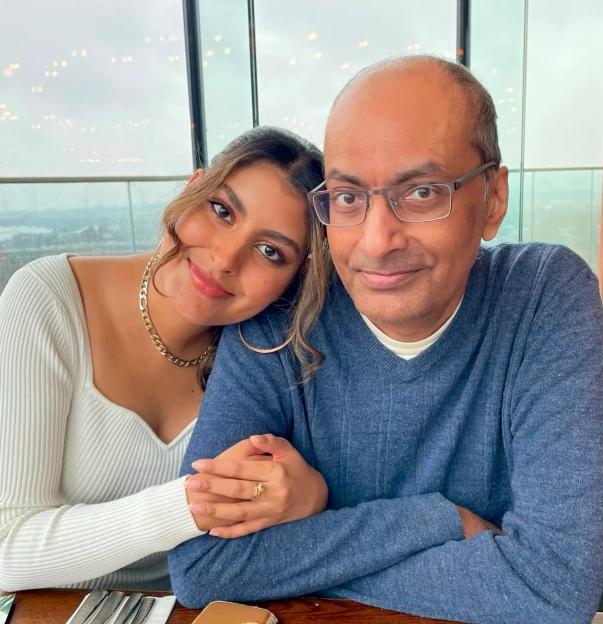 Serena said Harmi first ‘tried to hide’ his abdominal pain and fatigue Credit: PA Real Life
In the five months between symptom onset and his diagnosis, Tasha said her dad’s condition “deteriorated really quickly” and she had “never seen anything like it”.
When the family was told they would need to wait around six weeks for a referral scan, they decided to continue Harmi’s healthcare through his workplace private medical .
After a CT scan, Harmi received a call on August 5 to confirm his rare diagnosis of bile duct cancer, four months after first seeing a doctor and presenting with symptoms.
Serena said: “I just remember the doctor was like, ‘I’m really sorry to say it’s cancer’ over the phone, and then he put the phone down, and Dad just burst into tears.
“The three of us just wrapped our arms around him and gave him a hug, then I remember saying, ‘We’ll look after you, it’s going to be fine’.
“Even though I didn’t know what would happen.”
“It was just really sad,” she added.
The family was told to wait to hear from the Queen Elizabeth Hospital in Birmingham, but by August 16, Tasha said Harmi became “really ill” and he “couldn’t even move out of bed” so they called a local for a home-visit.
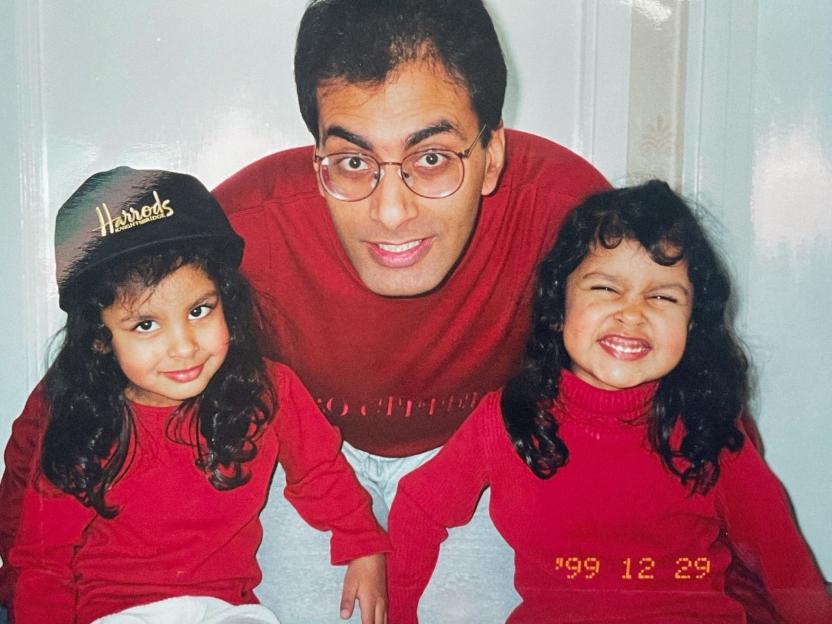 The twins described Harmi as a great dad Credit: PA Real Life
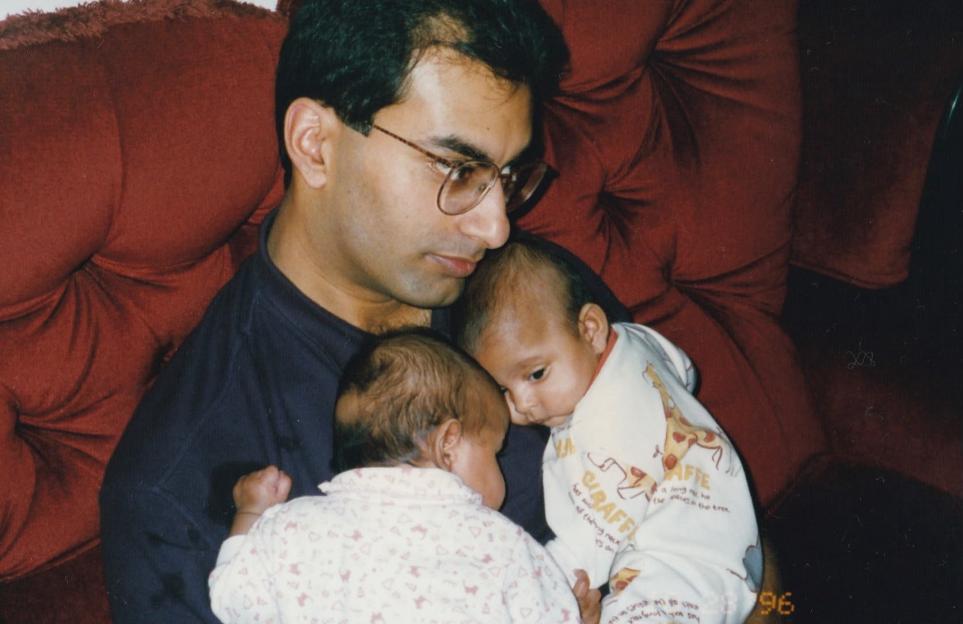 He didn’t like worrying people about his health, they said, wanting to be ‘strong’ Credit: PA Real Life
After assessing their father’s condition, Tasha said a doctor advised the family to call an ambulance, which arrived six hours later and took him to hospital, where medics admitted him “straight away”.
Tasha said: “It got to the point where we had to brush his teeth for him… he had rapid breathing and he was really confused too.
“Seeing that strong man in your life suddenly not being able to even lift himself up was hard.”
The family was told Harmi “could’ve died” because he needed multiple surgeries to drain his bile ducts and have a stent fitted, so he stayed in hospital for six weeks to stabilise his condition.
Over the next two years, Harmi had multiple rounds of chemotherapy, immunotherapy and a failed surgery to try to remove the tumour in his bile duct.
Despite treatment, Harmi’s cancer grew and spread to the point he was admitted to hospice care in October 2024.
Harmi died on October 16.
Tasha said: “All of the staff at the hospice were so lovely… which contributes so much to these situations.
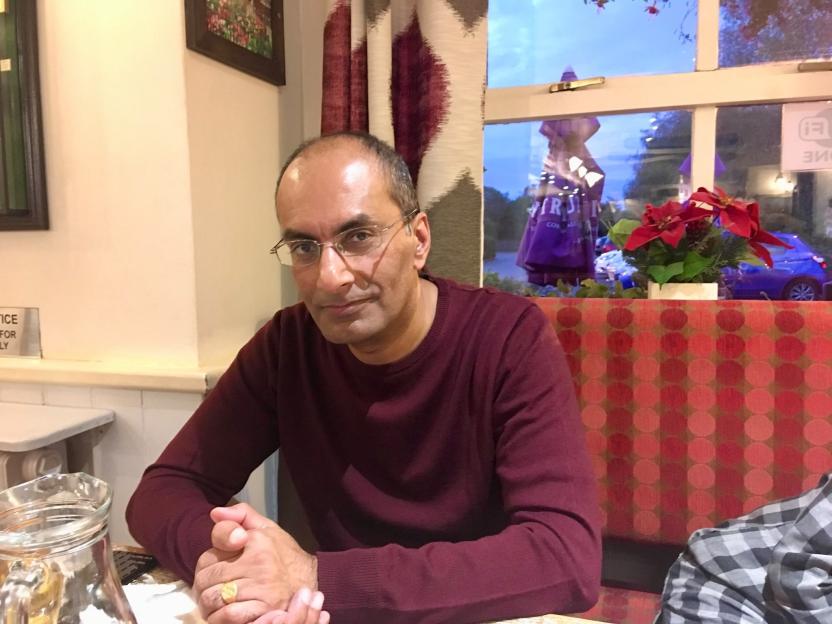 Harmi’s daughters urged others to get worrying symptoms checked Credit: PA Real Life
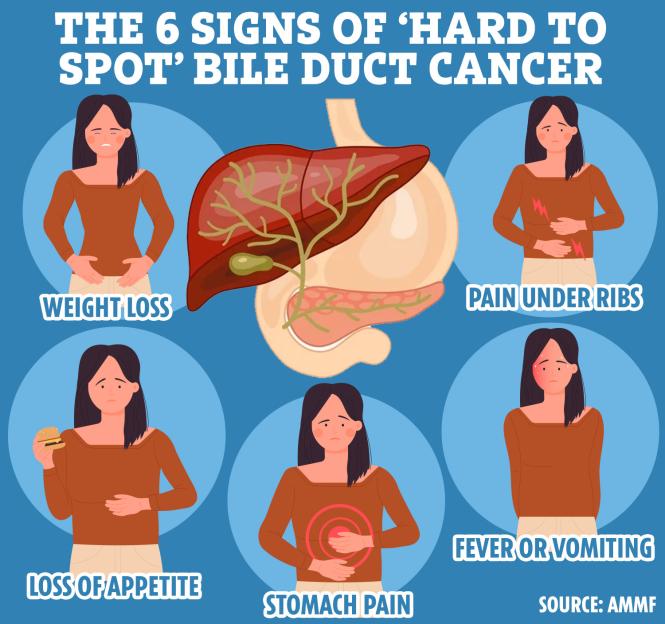 The main symptoms can include jaundice, itchy skin, darker urine, loss of appetite, feeling tired or generally unwell, vomiting, a high temperature, or stomach pain
“When I personally think of him passing, I don’t feel upset.
“Obviously, it’s heartbreaking, but I just think the way he passed was so peaceful and what he deserved, and also a relief for him because he was out of pain.”
Following their father’s death, Serena and Tasha said they handled grief differently.
Tasha said she struggled with “anticipatory grief” and then felt “numb” when her father died, while Serena – who took on caring responsibilities throughout Harmi’s illness – said she felt “lost”.
The pair said they did art therapy offered by the hospice for “nearly two years” which helped process their feelings of loss and it is where they met friends who have “gone through the same thing”.
The sisters want to raise awareness for rare cancers like cholangiocarcinoma.
Serena said: “As basic as it is, if you feel there’s something wrong with your body, go and get checked out.
“You know your own body… early detection could save your life.”
Marie Curie and Superdrug found 43 per cent of UK adults avoid talking about death, prompting Marie Curie’s ‘Mani Curie’ pop-up nail bars, where free manicures provide a space to discuss end of life conversations.