A BEER belly or flabby tummy is a sign you are at risk of a heart attack – and could be a more reliable warning than your weight.
A study found that nearly one in five people who were technically a healthy weight had a potentially harmful paunch.
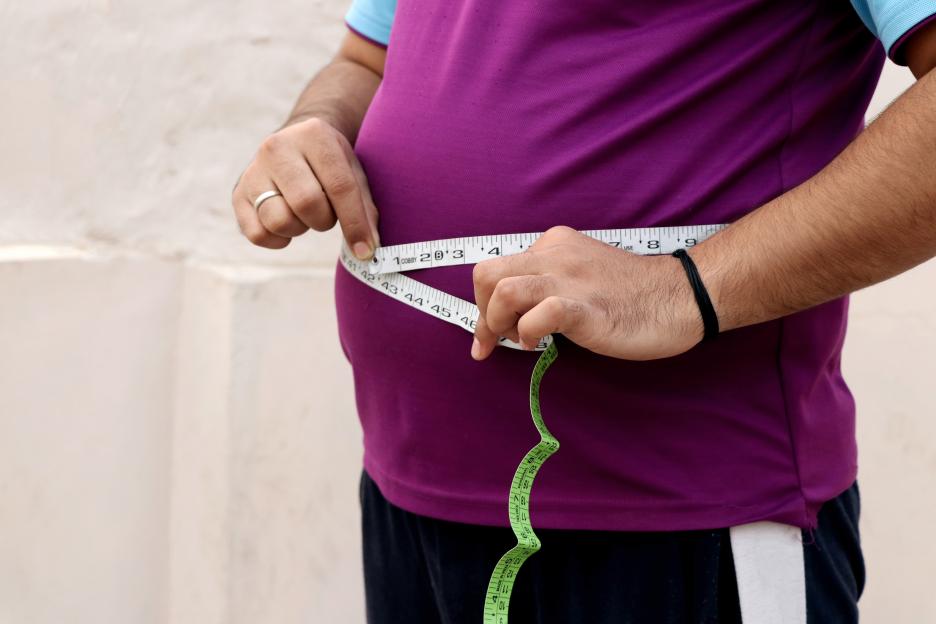 Doctors said waist measurements could be a better way to check heart risk (stock image) Credit: Getty
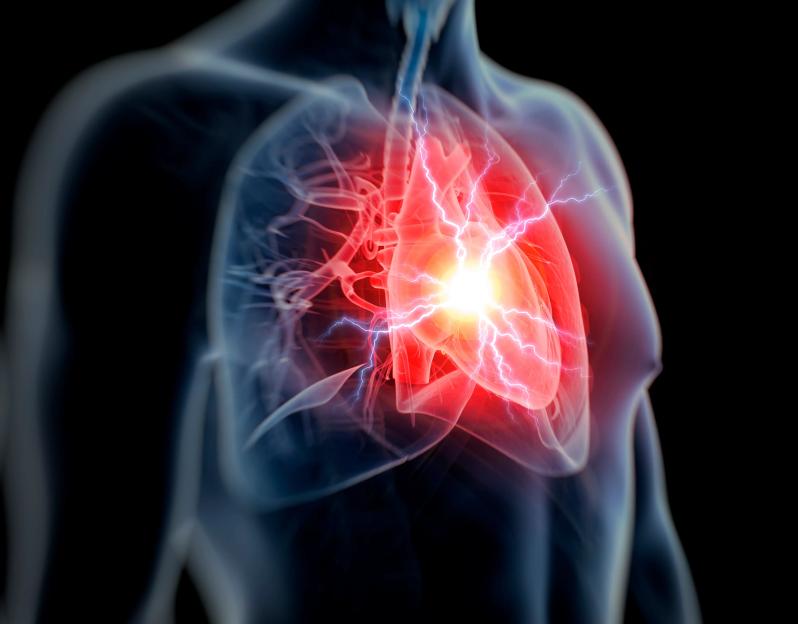 Heart diseases are a top killer in the UK Credit: Getty – Contributor
Doctors said waist circumference is key because fat around the organs is dangerous even if your arms and legs are slim.
are one of the top causes of death in the UK and more than eight million people are living with them.
Dr Harlan Krumholz, editor of the Journal of the American College of Cardiology, was not part of the study but called the findings “enormously important.”
He said: “This shows that waist circumference and waist-to-hip ratio provide critical information about cardiovascular risk, even among people with a considered normal.
“ matters, and these simple measures should be part of routine risk assessment.”
The research by Johns Hopkins University in Baltimore, US, studied around 20 years of health data from 260,000 men and women.
It found that people who had a but were technically a normal weight or overweight were up to 50 per cent more likely to suffer a serious heart condition or die than those with a flat stomach.
Risks were higher for conditions such as , heart attack or heart failure.
People who were – the highest weight category – but had a gut that was in proportion did not have the same surge in risk.
The medics said this suggests doctors should not measure body mass index (BMI) ratio alone.
This is calculated by dividing a person’s weight by their height but does not account for extra muscle or the location of body fat.
Fat in the torso, known as visceral fat, is thought to be especially unhealthy because it disrupts proteins and hormones in a way that causes and liver damage.
Study author Dr Zeina Dardari said: “Relying solely on BMI may result in misclassification of risk.”
How to reduce your risk of heart attacks and stroke
You can reduce your risk of heart attack and stroke with many of the same methods.
Heart attacks and strokes, although affecting different organs of the body, are both what we call cardiovascular events.
Both arise from similar underlying conditions, such as atherosclerosis —a buildup of fatty deposits in the arteries.
According to the American Heart Association, the risk factors for heart attacks and strokes are largely the same: high blood pressure, high cholesterol, smoking, obesity, physical inactivity and diabetes.
Therefore, addressing these risk factors can simultaneously reduce the risk of both conditions.
Here are ways you can prevent the two:
Healthy diet
- More fruit and veg: The DASH, which emphasises fruit, vegetables, whole grains and lean proteins, has been shown to reduce blood pressure and improve heart health.
- Less fats: Too much saturated and trans fats can raise cholesterol levels and increase the risk of atherosclerosis. Go for healthier fats like those found in olive oil, nuts, and avocados.
- Limit salt: High salt intake is linked to high blood pressure, a major risk factor for both heart attack and stroke. The NHS recommends no more than 6g of salt per day for adults.
- Fibre: Foods high in soluble fibre, such as oats and beans, can help lower cholesterol levels.
Exercise
Walking, running, cycling, swimming – whatever you like, do it!
Aerobic exercise can strengthen the heart and improve circulation.
The NHS advises at least 150 minutes of moderate-intensity aerobic activity or 75 minutes of vigorous-intensity activity each week.
Strength training exercises can help control weight, improve cholesterol levels, and reduce blood pressure. It is recommended twice a week by the NHS.
Manage blood pressure
Healthy diet and exercise can help keep your blood pressure in check.
But it is worth monitoring it yourself after the age of 40, at least, when the NHS invites adults for a check-up every five years.
High blood pressure often has no symptoms but significantly increases the risk of heart attack and stroke.
Quit smoking
One of the best ways to quit smoking is to use resources provided by NHS Smokefree. Support groups, medications, and other tools to help quit smoking such as vapes could be what you need to kick the habit for good – and it’s free.
Limit booze
Excessive alcohol consumption can increase blood pressure and contribute to weight gain, which can snowball and become a heart health risk.
The NHS recommends not regularly drinking more than 14 units of alcohol per week.