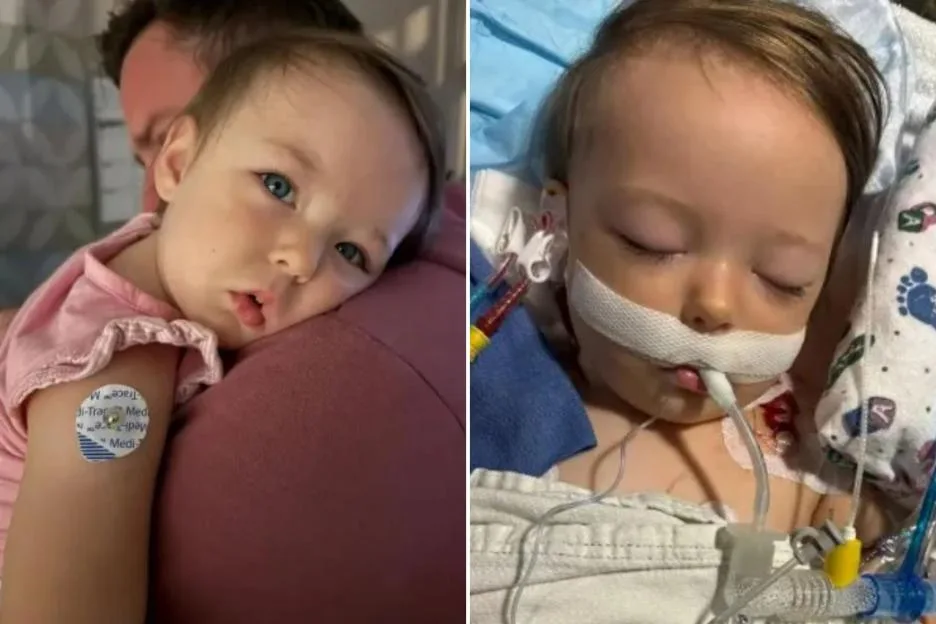
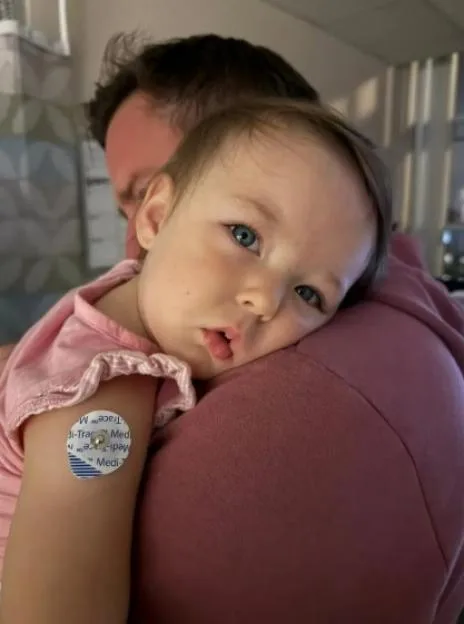
AT just 17 months, little Brooklyn Marris almost died after drinking a milk alternative surging in popularity.
The toddler, from Winchester in Southern California, was on the way home from a swim lesson in June 2025 when she vomited all over the backseat of her mum Emily’s car.
Over the next two days she grew steadily more unwell, throwing up yellow and then blackish-green liquid.
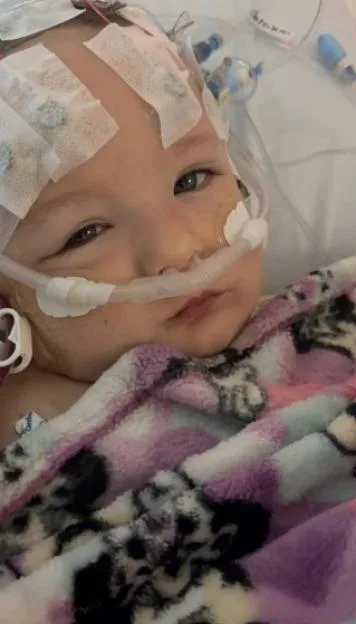
Alarmed, Emily and her husband Josh rushed Brooklyn to A&E, where blood test results concerned doctors so much that they called for transport to a paediatric intensive care unit 70 miles away.
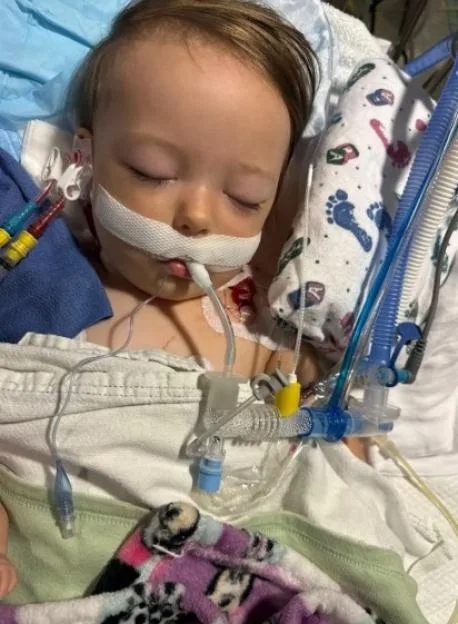
Brooklyn was hooked up to a ventilator to help her breathe, and a dialysis machine to support her failing kidneys.
The tot couldn’t stay awake, suffered terrifying convulsions and her heart struggled to pump.
She was diagnosed with haemolytic uremic syndrome, a rare condition where blood clots clog small vessels in the kidneys, which can severely damage the organs.
The cause? , which Emily had been led to believe was safe and disease-free, and would help with her toddler’s constipation.
Brooklyn survived the terrifying ordeal, but Emily couldn’t stop beating herself up.
“I’m the one that gave it to her,” she told Propublica .
“Just how stupid could I be?”
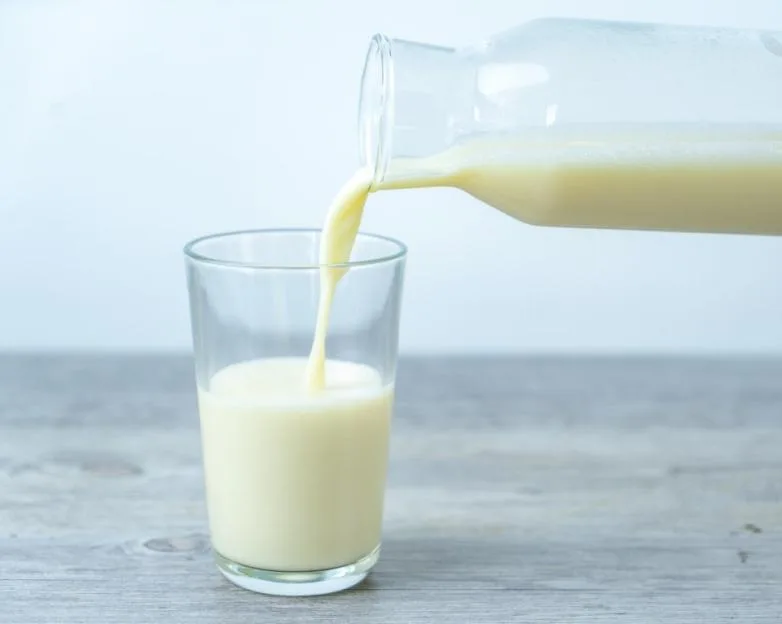
While most milk sold in supermarkets is treated to kill off harmful and dangerous bacteria, raw dairy products like milk or cream haven’t undergone that process – meaning it goes from the animal to the bottle without any treatment.
The consumption of raw dairy has become a growing trend in recent years – especially in the US, spurred on by health secretary Robert F Kennedy Jr.
But the craze has also hit the UK, where TikTokers tout the unproven benefits of ‘unprocessed’ dairy while downplaying the risks.
Despite claims this more ‘natural’ form of milk is better for health, food safety experts say raw dairy has no additional nutritional benefits compared to pasteurised milk.
In fact, the fad could expose drinkers to serious illnesses, as raw dairy can carry harmful bacteria such as E. coli, Salmonella, Campylobacter, and Listeria.
These germs can lead to severe food poisoning and symptoms such as diarrhoea, stomach cramping, vomiting, fever, headaches and body aches.
The sickness can be particularly dangerous to small children, who may need to be hospitalised.
The risks of raw milk
Pasteurisation is a heat treatment process to kill bacteria and prevent food poisoning. Most milk and cream is pasteurised.
If milk is unpasteurised, it’s often called “raw” milk.
This must carry a warning saying it has not been pasteurised and may contain harmful bacteria (which could cause food poisoning).
You can sometimes buy unpasteurised milk and cream from farms and farmers’ markets.
If you choose unpasteurised milk or cream, make sure they’re kept properly refrigerated because they go off quickly.
Follow any instructions provided with the milk and do not use the milk past its use-by date.
Some other dairy products are made with unpasteurised milk, including some cheeses.
For example, some makers of camembert, brie and goats’ cheese may use unpasteurised milk, so check the label.
People with a weaker immune system are particularly vulnerable to food poisoning and should not consume it.
These include:
- People aged 65 or over
- Pregnant women
- Infants and small children
- People with a compromised immune system such as cancer patients
Source: NHS
Emily bought raw goat milk from a farm recommended to her in a Facebook group run by her chiropractor.
She was trying to wean Brooklyn, as she’d started a new medication that could pass through breastmilk.
But she was alarmed by the number of additives in infant formula and found that cow’s milk left her tot constipated.
The mum picked up an unlabeled jug of raw goat milk, still warm to the touch, and continued giving it to her for six months after noticing that Brooklyn’s stomach issues had eased.
Emily was assured by the farm’s owner that the milk was “clean and tested” – but after Brooklyn was hospitalised, she found the milk hadn’t been tested for E. coli at all.
The mum was in agony as she sat by her daughter’s hospital bed for days, wondering if she’d make it out alive.
“I’m going to hate myself to the day I die for having allowed that to happen,” Emily said.
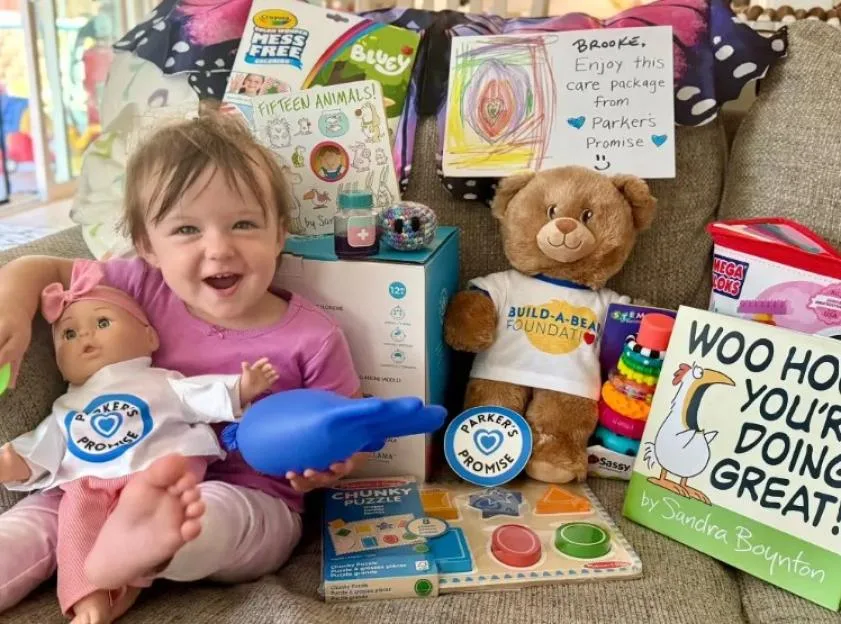
Against all odds, Brooklyn recovered, though she wasn’t the active and talkative toddler she’d been before.
Brooklyn began physical therapy right away, but she walked with a slight limp and couldn’t sleep through the night without terrors. Doctors also warned that she would likely face long-term kidney issues. She would need to be seen every six months by a nephrologist and would not ever be able to drink alcohol.
Another child, six-year-old Victoria Galindo, who’d drunk milk from the same farm, ended up at the same hospital as Brooklyn around the same time.
She was also diagnosed with haemolytic uremic syndrome, caused by the same bacterial strain.
Victoria recovered too, though she’ll need medical monitoring.
They’re not the only children to fall severely ill after drinking raw milk.
In the past two years alone, hundreds had fallen ill across nine states from drinking raw milk or eating products made with it, Propublica reports.
Meanwhile, the Centers for Disease Control and Prevention (CDC) and the Food and Drug Administration (FDA) are investigating a multistate outbreak of E. coli infections linked to raw cheese.
So far, 13 cases in nine states have been identified.
Eight patients were taken to hospital, three of which had haemolytic uremic syndrome.
Over half of the patients were under the age of five.
Emily and the Galindo family are jointly suing the farm after investigations by state regulators stalled.
They allege the farm negligently sold the families contaminated raw milk that was presented as “fit for human consumption”.
The case is ongoing.
But Emily still regularly posts on Facebook, in groups similar to the one that recommended raw goats milk for baby Brooklyn, warning other mums of the dangers of the trend.