EUROPE is beset by a surge in sexually transmitted infections (STIs), health chiefs warned today.
Rates of gonorrhoea and syphilis across the continent have risen to their highest level on record, with gonorrhoea increasing more than 300 per cent in just a decade, while syphilis doubled.
 Gonorrhoea cases increased by more than 300 per cent in just a decade Credit: Getty
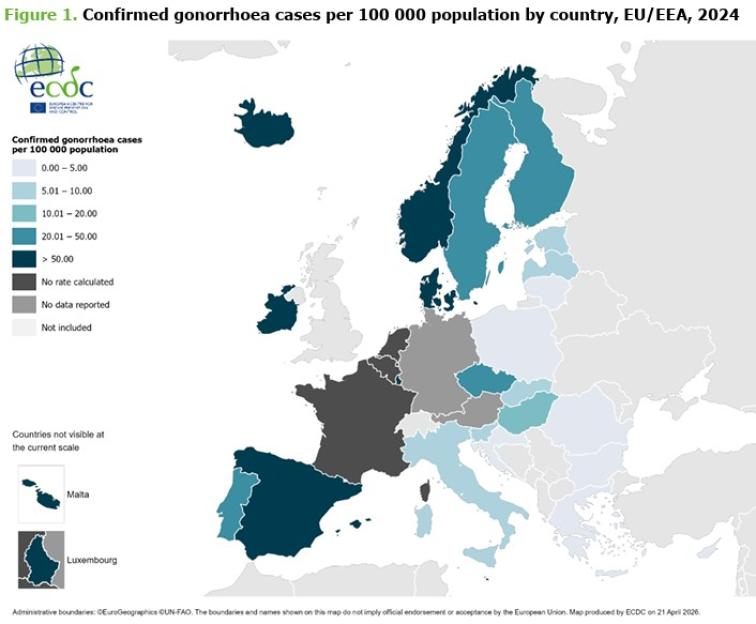
Destinations such as Malta, and Ireland are among those which have reported a surge in both STIs in data recorded for 2024.
Experts suspect this was partly due to improvements in testing and surveillance, but also changes in sexual behaviours, with young people making more risky choices, such as not using condoms.
While the majority of STI cases reported in the European Centre For Disease Prevention and Control (ECDC) data are among adults in their 20s and 30s, some experts have previously suspected the rise of the “silver swiper” could also be factor.
The term reflects an increasing number of older people going on to find new sexual partners following or bereavement facilitated by a rise ease of online .
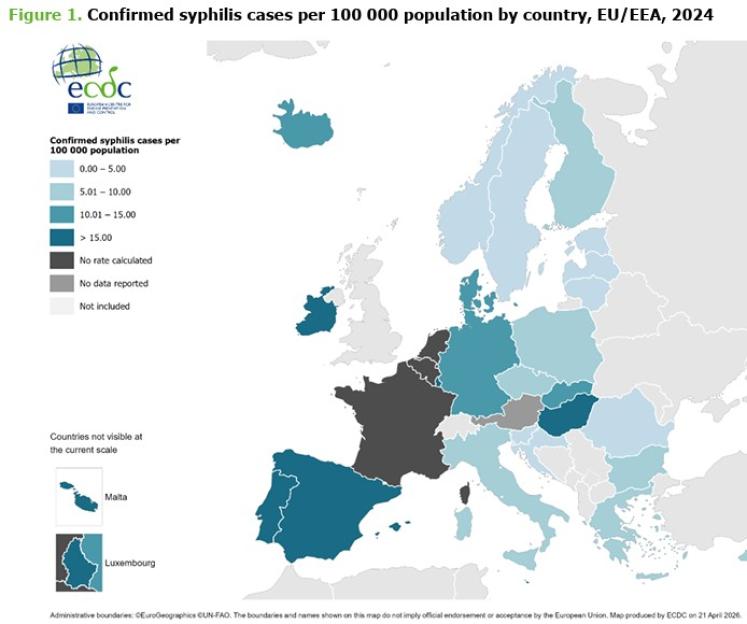
The ECDC data found there were a total of 45,577 syphilis cases in 2024, roughly 10.8 per 100,000 people – up on the 42,033 and 10.2 per 100,000 logged in 2023.
In comparison, the rate was just 5.1 per 100,000 people in 2014.
The ECDC said that infections among men who have with men account for more than half of all gonorrhoea and syphilis cases.
Surging syphilis cases are also associated with an increase in cases of congenital syphilis.
This occurs when the infection is passed from a pregnant mother to the newborn.
Untreated infections pose severe, life-threatening risks, including miscarriage, stillbirth, premature birth and newborn death.
This is “probably one of the most concerning findings of the 2024 data,” Otilia Mårdh, scientific officer of HIV, sexually transmitted infections and viral hepatitis at ECDC, said.
Cases almost doubled between 2023 to 2024, from 78 cases to 140, reaching the highest recorded rate in since the ECDC started STIs surveillance.
But, Chlamydia, while remaining the most common STI in the region, has continued its slight downward trend.
It recorded just over 213,000 confirmed cases in 2024, down from nearly 231,000 in 2023.
Bruno Ciancio, head of the directly transmitted and vaccine-preventable diseases unit at ECDC, said: “Sexually transmitted infections have been on the rise for 10 years and reached record high levels in 2024.
“Untreated, these infections can cause severe complications, such as chronic pain and infertility and, in the case of syphilis, problems with the heart or nervous system.
Stay safe from gonorrhea
Gonorrhea, often called "the clap," might not always show obvious signs, but it's important to stay vigilant.
Here’s how you can keep yourself safe and spot the symptoms early:
Symptoms to Watch For:
- In Women: Unusual vaginal discharge, pain during urination, bleeding between periods, or pelvic pain
- In Men: Discharge from the penis, pain while urinating, or swollen testicles
- In Both Genders: Sore throat (if contracted through oral sex), or rectal discomfort and discharge (if contracted through anal sex)
Prevention Tips:
- Use Condoms: They’re your best bet for protection against gonorrhea and other STIs
- Get Tested Regularly: Especially if you’re sexually active or have multiple partners
- Communicate with Partners: Talk openly about sexual health and STI status
- Limit Partners: Reducing the number of sexual partners can lower your risk
- Seek Treatment Promptly: If you notice any symptoms or think you’ve been exposed, get tested and treated quickly
 The ECDC data found there were a total of 45,577 syphilis cases in 2024 Credit: Getty
“Most distressingly, between 2023 and 2024, we have seen a near doubling of congenital syphilis, where infections pass directly to newborns, leading to potentially lifelong complications.
“Protecting your sexual remains straightforward.
“Use condoms with new or multiple partners, and get tested if you have symptoms, such as pain, discharge or an ulcer.”
STIs such as chlamydia, gonorrhoea and syphilis, are often treatable but can lead to other serious health complications if left to develop.
These can include pelvic inflammatory disease or chronic pain.
In extreme cases, chlamydia and gonorrhoea can lead to infertility while syphilis can cause neurological and cardiovascular issues.
The advises waiting 14 days before testing for chlamydia and gonorrhoea and four weeks for syphilis and HIV.
Recent figures published by the UK Health Security Agency (UKHSA) have confirmed cases of are increasing across .
There were 9,535 diagnoses of early-stage syphilis diagnoses in 2024 compared to 9,375 diagnoses in 2023 – a 2 per cent rise.