
WHEN Will Fishenden took his first fertility test, he assumed everything “down there” would be fine.
But the results were a bit of a shock to the 39-year-old’s “male pride“.


Will had just started trying for a baby with his wife Mahulenka, 34, and was disappointed to learn his swimmers were looking rather lacklustre.
He says: “Like a lot of men, I was far more invested in my wife’s , but when I had my first tests to assess my sperm health, the results weren’t where they should have been for a man of my age.
“It was a real knock. I’ve always strived to do well in everything I do and usually have, so part of me assumed I’d be fine down there too.
“Finding out my sample was in the lower percentile dented my male pride, I won’t lie.”
Will, co-founder of Prep Kitchen , a healthy meal prep business, was already eating well, regularly exercising, and living what he considered a fit, balanced lifestyle.
But he still vowed to overhaul it, to boost his chances of becoming a dad.
After doing extensive research, he came across an unlikely new trend, known as spermaxxing.
It is the latest ‘maxxing’ trend which has seen Gen Z and Millennials push certain lifestyle choices, such as eating more fibre and tracking , to extreme lengths for optimal results.

The jury’s still out on whether man’s sperm quality can be ‘maxxxed’ too – but Will decided to follow the rules and see where that got him.
Will said: “I didn’t realise sperm takes around three months to develop, so I treated that period as a full reset.
“Several months later, my results had moved into the high-optimal range, including volume, motility and shape.”
Charlotte Grand, Fertility Nutritionist at www.proceive.com , says: “Sperm take approximately 74 days to develop, so the 12 weeks before conception or fertility treatment are a real opportunity to optimise the environment in which sperm cells are developing.
“There is a lot men can do during that time to support sperm health, and the encouraging thing is that they can then see whether those changes are reflected in a follow-up semen analysis.”
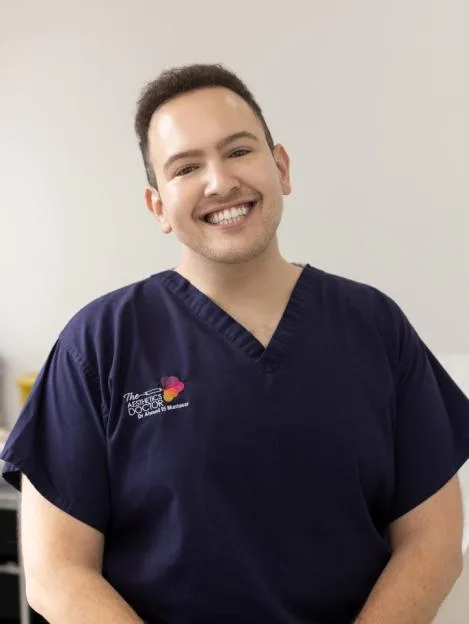
Dr Ahmed El Muntasar, , aesthetics doctor and owner of The Aesthetics Doctor said it’s important to remember ‘spermmaxxing’ is a social-media term rather than a medical concept. Here’s the expert take on Will’s hacks…
Supp support
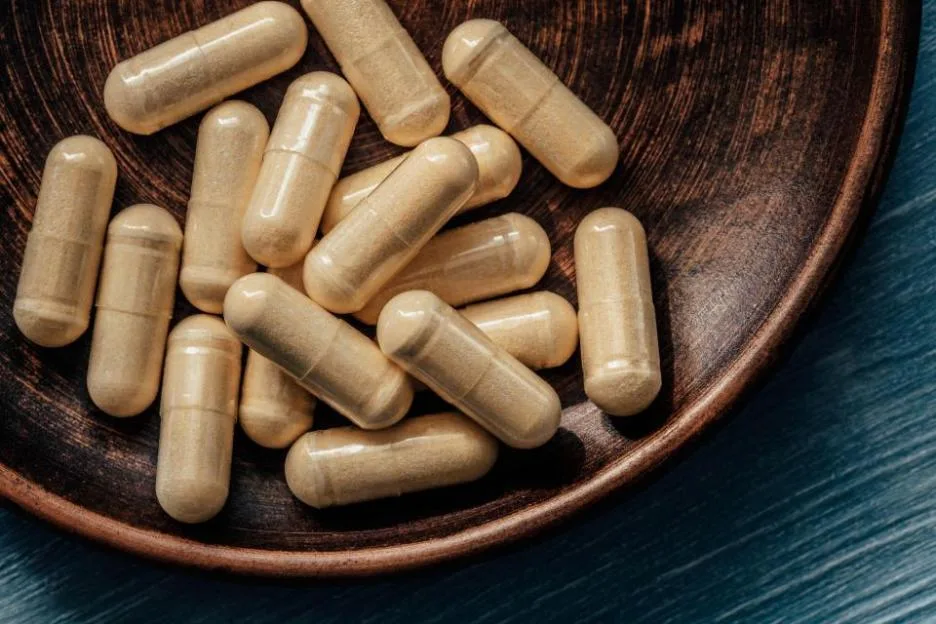
Zinc and selenium supplements have both been shown to improve the motility, concentration and overall quality of sperm by reducing oxidative stress and supporting testosterone production.
So Will focused on eating more of the nutrients, which can be found in seafood, meat, poultry, eggs, whole grains, seeds, and nuts.
“I also started taking a male fertility supplement,” Will adds
“I was already very conscious of nutrition through Prep Kitchen, but this was the first time I’d really thought about what I was eating specifically in relation to my own fertility.”
Dr Ahmed says: “Zinc and selenium are involved in normal reproductive function, but more isn’t necessarily better.
“If somebody has a deficiency, correcting that is important; that doesn’t mean taking large doses will make healthy sperm dramatically better.
“There’s a huge market for male fertility supplements, but the evidence that antioxidant supplements meaningfully improve pregnancy or live-birth rates is much less convincing than social media sometimes suggests.
“I wouldn’t recommend taking multiple high-dose supplements without checking what they contain, because excessive amounts of certain vitamins and minerals can themselves be harmful.”
Teetotal

Will wasn’t a heavy drinker – “a couple of nights a week I’d have a few beers, the odd cocktail, maybe a tequila or two”.
But he went tee-total for three months.
Dr Ahmed says: “Heavy alcohol consumption is associated with poorer reproductive health, so reducing alcohol is absolutely sensible when trying to conceive.”
For example, one study showed that more than 15g of alcohol a day – the equivalent of two units, or one low-strength pint every day – was linked to an increase in “abnormal sperm”.
However, this is still within the NHS-recommended 14 units of alcohol per week.
Dr Ahmed says the evidence is clearer around heavy or excessive drinking and adds: “For someone who drinks moderately, we can’t promise that three months of completely abstinence will transform their fertility.”
Smoke and mirrors
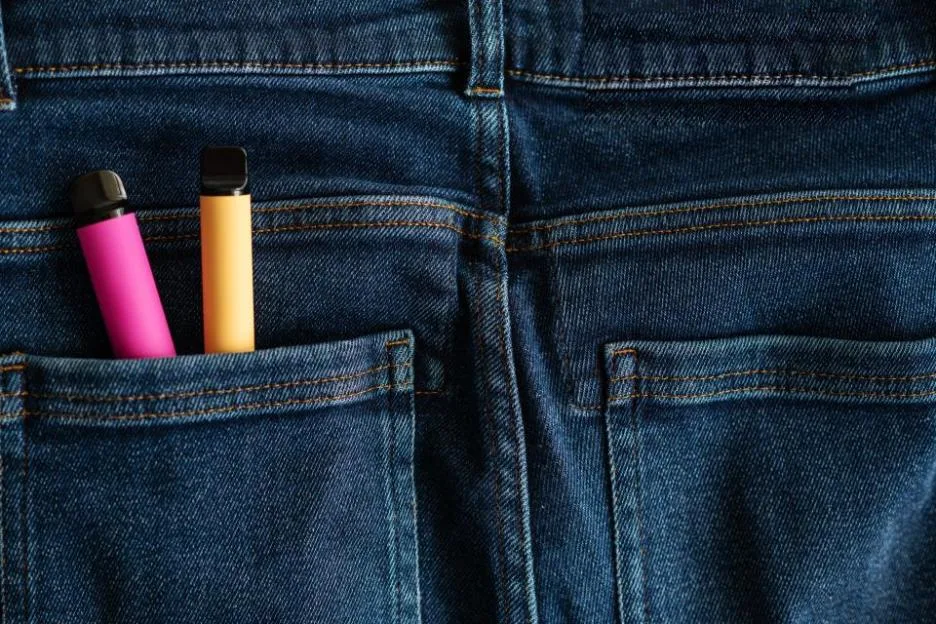
Will says: “I’d also find myself sociably . I decided to go completely teetotal on this for three months.”
Dr Ahmed says: “Stopping vaping is something I would support, particularly when somebody is trying to conceive.
“We have much stronger evidence for conventional cigarette , which is associated with reductions in sperm concentration and motility and potentially poorer morphology.
“The evidence specifically around vaping and human fertility is newer and much more limited, so we shouldn’t pretend that we know exactly how much vaping affects an individual’s fertility.
“However, e-cigarette aerosols can contain nicotine and other potentially harmful substances, and early evidence raises concerns about effects on reproductive health.
“So I wouldn’t describe vaping as harmless simply because somebody isn’t smoking cigarettes. Avoiding it while trying to conceive is sensible.”
Fighting fit

Will was already conscious of his diet and exercised but lost 10kg – going from 125kg to 115kg – thanks to viewing his nutrition through a “completely different lens”.
“This is one of the more sensible parts of his approach,” says Dr Ahmed.
“Obesity and low levels of physical activity are associated with poorer sperm quality, so achieving a healthier weight and exercising regularly can be beneficial for men trying to conceive.”
Will added more cardio – the StairMaster and assault bike – to his existing weight training programme on the belief that some research shows moderate cardio exercise can improve sperm quality by lowering oxidative stress and reducing inflammation.
Dr Ahmed says “there is nothing magical about Zone 2 or VO2 max training specifically for sperm” – that is, low-to-moderate aerobic training.
“The important message is regular physical activity, good cardiovascular and metabolic health and avoiding extremes,” the GP adds.
Bedhead

Will made sleep a priority, using the health tracker WHOOP to monitor his hours per night and recovery.
Hoping to improve his sleep routine by influencing the body clock, he says: “I started making more of an effort to get natural sunlight first thing, wind down properly in the evening, switch screens off and keep my sleep and wake times consistent, even at weekends.”
But Dr Ahmed says alone, “they’re not proven fertility treatments”.
But he notes: “Good-quality sleep is important for overall physical and hormonal health, so prioritising regular sleep is sensible advice regardless of fertility.”
One study assessed 840 men’s sperm, and their sleep behaviour.
Sleeping poorly, too little or too much was linked to reduced sperm count, lower concentration, and decreased motility.
Don’t sweat it

Will, who often used the sauna to “switch off”, cut down on his use after finding out that some studies link regular use to a temporary drop in sperm count and motility.
He didn’t give it up, but “I did sit there with ice packs down my shorts”, he adds.
“I looked ridiculous, but you’d be amazed how many men started copying me once I explained what I was doing,” he claims.
Dr Ahmed says: “There is some biological basis to this.
“The testes sit outside the body partly because sperm production functions best at a slightly lower temperature than core body temperature, and repeated or prolonged exposure to significant heat may temporarily affect sperm production and quality.”
He says using ice packs doesn’t have good evidence, though.
“Simply reducing excessive heat exposure would be the much more sensible approach.”
Will also started having an ice bath most mornings to counteract his sauna use.
Dr Ahmed says: “This is where I think ‘spermmaxxing’ starts drifting into wellness rather than established fertility medicine.
“There isn’t convincing evidence that taking an ice bath every morning will improve sperm count, motility or morphology.”
THE VERDICT

Will saw improvements within three months, but Dr Ahmed cautions that it doesn’t prove his methods work.
Though he adds it’s “fantastic” he got results, and adds: “I actually welcome anything that gets men talking about fertility because historically so much of the pressure and attention has fallen on women. Male factors are an important part of fertility assessment.
“But spermmaxxing makes fairly straightforward health advice sound like a biohacking regime.
“Men don’t need ice baths, gadgets, complicated supplement stacks or ice packs down their shorts to optimise their fertility.
“Don’t smoke or vape, avoid excessive alcohol, maintain a healthy weight, exercise regularly, eat a balanced diet and get adequate sleep.
“And if you’re struggling to conceive or have an abnormal semen analysis, speak to your GP or fertility specialist rather than relying on .”
He stressed: “There isn’t a special fertility ‘hack’ that suddenly produces super sperm.
“There is evidence that several lifestyle factors are associated with semen quality, but we need to be careful not to suggest that every lifestyle intervention somebody sees online will dramatically increase their fertility.”
Charlotte adds: “One potential danger with a trend like spermmaxxing is that it can be misleading if men believe they can improve every fertility problem through nutrition and lifestyle alone.
“Poor sperm parameters can have an underlying structural cause, such as a varicocele, or a genetic cause, which clearly needs appropriate .
“So, while I encourage men to optimise their nutrition and lifestyle, I would always see this as something to do alongside fertility investigations, not instead of them.
“Otherwise, there is a risk of spending months trying to improve sperm quality only to discover later that there was an underlying issue that needed investigating.”