FOR over 35 years, young Tammy Jo Alexander was the focus of one of America’s most mysterious cold cases thanks to a single tragic mistake.
Civilian sleuths managed to solve the mystery after they matched missing Tammy Jo to the body of a murdered 16-year-old girl dumped in a field after a gruelling 12,858-day investigation.
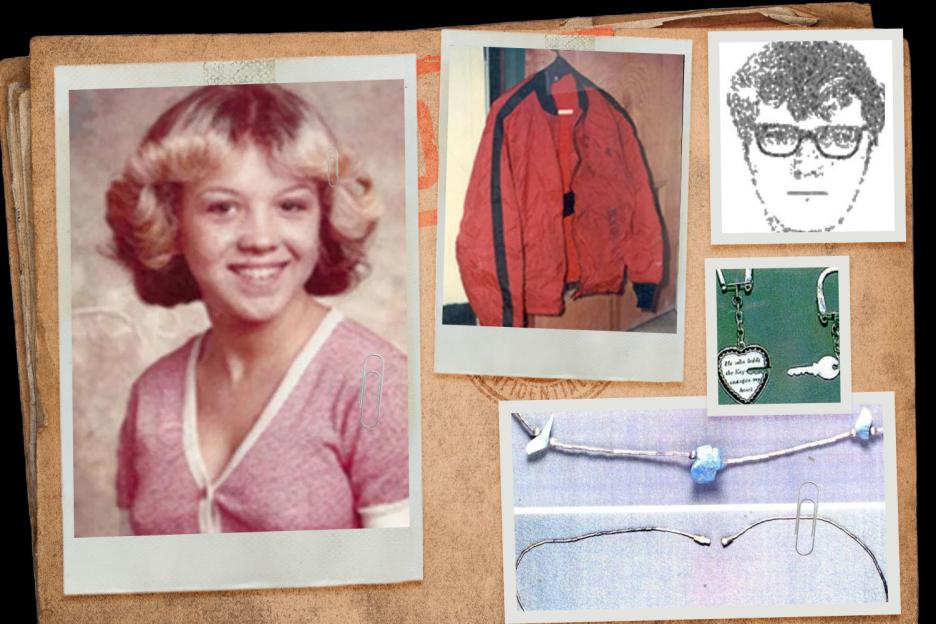
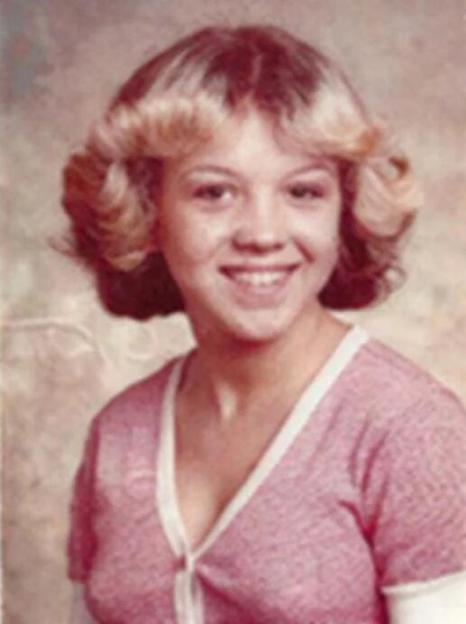 An image of Tammy Jo as a teenage taken before she vanished and was killed Credit: FBI
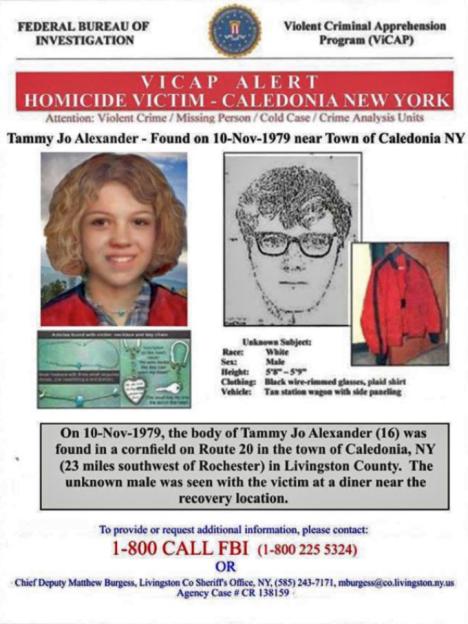 An FBI poster trying to identify the suspected killer of Tammy Jo Credit: FBI
Born in Atlanta, Georgia on November 2, 1963, Tammy Jo was a typical deep south girl before she moved to Florida as a teenager.
Trouble at home led to her gaining a reputation for running away from the sunshine state for days at a time.
At the age of 16, Tammy Jo would escape Florida for the final time as she headed towards New York unbeknown to her loved ones.
Her family had been so accustomed to her running away that they didn’t file a missing persons report.
Half-sister Pamela Dyson revealed after Tammy Jo was ID’d in 2015 that they all thought she had just wanted to “start all over”.
But this one mistaken theory sparked over three decades of anguish for police investigators and the FBI.
On November 9, 1979, Tammy Jo was shot in the head by the side of a road before being dragged into a farmer’s cornfield where she was shot again in the back.
Her body was found a day later still in the field located off of New York State Route 20 in Caledonia.
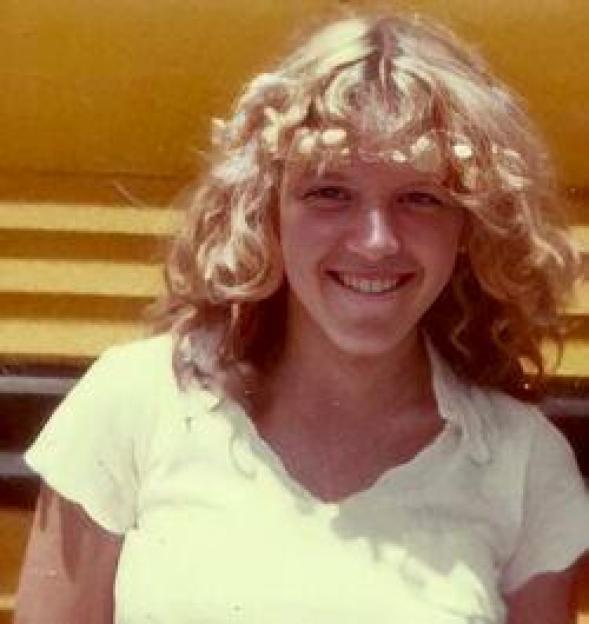 Tammy Jo was shot in the head by the side of a road before being dragged into a farmer’s cornfield where she was shot again in the back Credit: National Gun Violence Memorial
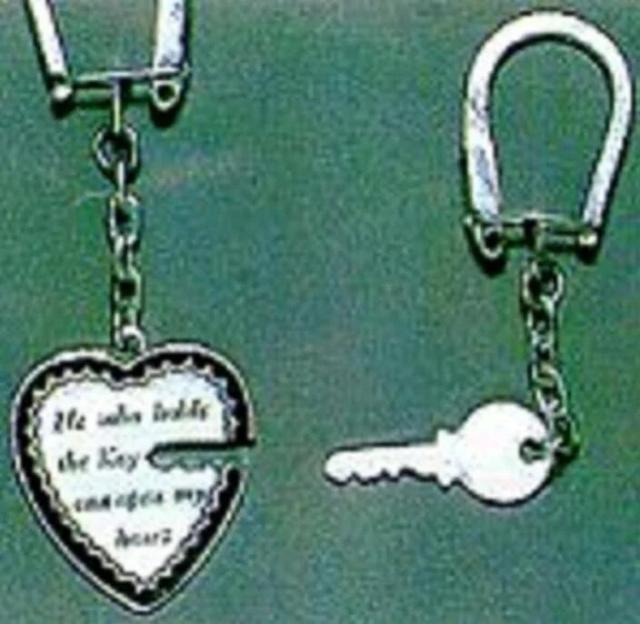 A lock and key chain were found on Tammy Jo’s body Credit: FBI
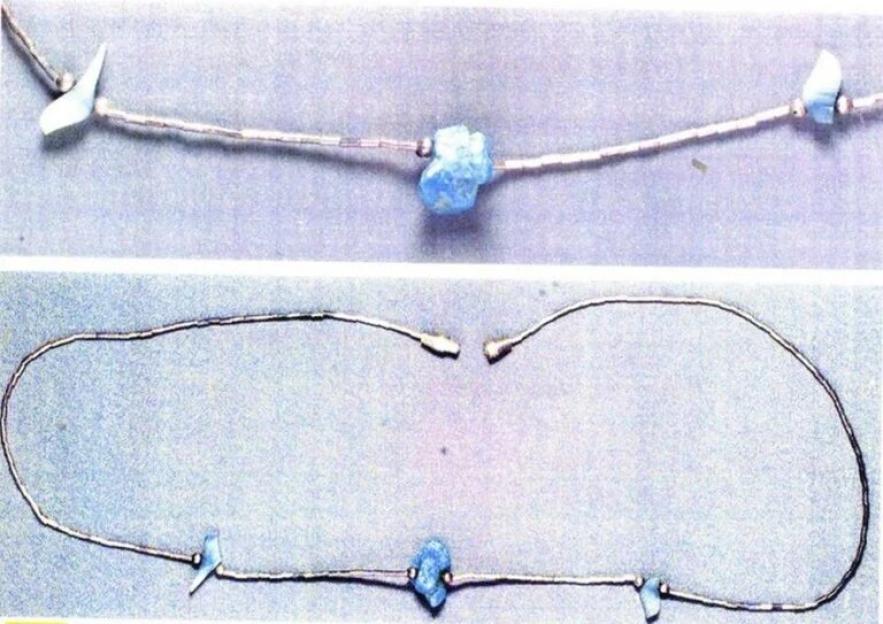 A silver chain necklace with blue gems was also discovered by cops Credit: FBI
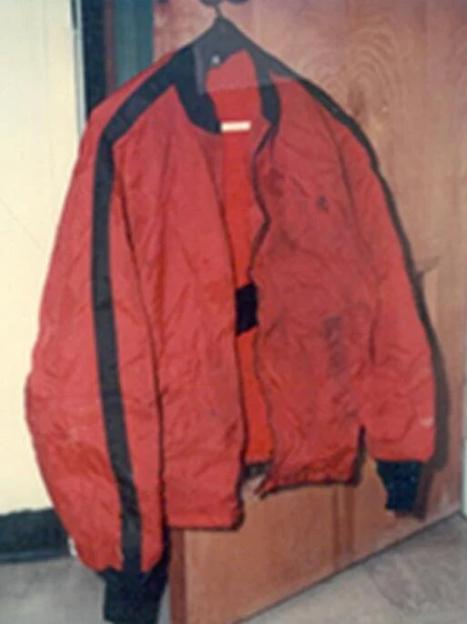 The young girl was found wearing a red bomber jacket Credit: FBI
Police had little to work with when they first found Tammy Jo as they struggled to find any sign of who the murder victim was.
A night of heavy rain had washed away any immediate clues such as footprints or blood.
The girl also carried no ID or other identifiable documents on her.
All cops had was the clothes on her back and the jewellery around her neck.
She was wearing tan corduroy jeans, a multi-colored plaid shirt, blue knee socks, brown rippled-sole shoes and a red nylon-lined men’s windbreaker.
Inside the collar was a label reading “Auto Sports Products, Inc” which cops soon found out meant the jacket was likely a thrift shop item which meant its owner wasn’t traceable.
A silver necklace with three small turquoise stones was on the girl’s neck alongside a two-piece locket keychain.
One piece was in the shape of a heart with a key-shaped slot cut out of it with an inscription reading: “He who holds the key can open my heart.”
The second piece was the key that fits into the slot in the heart.
The only obvious detail on the body was tan lines which suggested she had recently travelled from a warmer area due to the time of year.
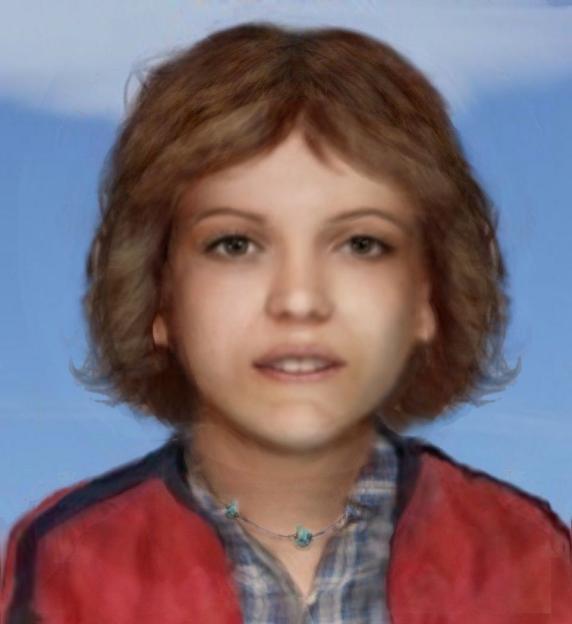 An artist sketch was released as part of the investigations decades after a girl was found dead Credit: Wikimedia Commons/Carl Koppelman
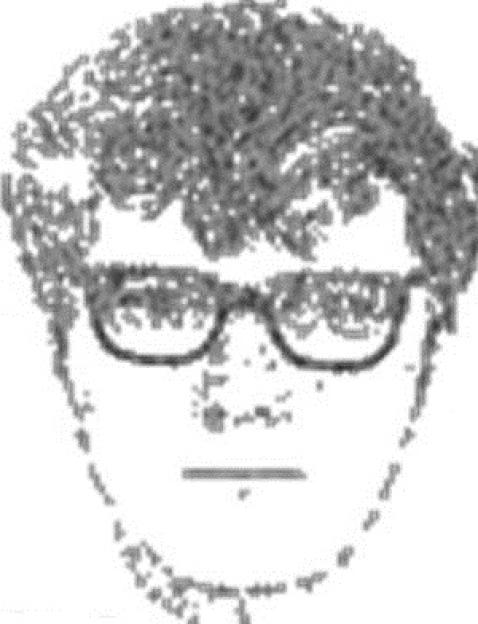 An artist sketch of Tammy Jo’s suspected killer Credit: Wikimedia Commons
Without a name, the local police force, Livingston County, called the girl Cali Doe due to the location of her murder.
She was buried a short time after with her headstone tragically reading: “Lest We Forget, Unidentified Girl.”
Former Livingston County police sheriff John York took on the case and vowed to identity the girl and catch her killer.
His determined quest would span across the huge majority of his 44-year career as he personally ensured the case remained active.
York and his team spent hours analysing the slim case file as well as closely monitoring national missing persons databases.
But no one matching the victim’s description ever turned up.
As York’s investigations continued, DNA and forensic testing also rapidly improved.
In 2005, an entire 26 years after the girl had been buried her body was exhumed for further testing.
A palynological analysis of her clothing found the victim had likely spent time in Florida, southern California, Arizona – matching to the tan lines.
A facial reconstruction of the victim was then able to be created and was uploaded to an online public database in 2010.
Within a few short months, the Cali Doe case once again became a national story as thousands of amateur sleuths tried to crack the case.
A website called Websleuths quickly became the epicentre for all things Cali Doe as the online community worked on real missing-persons cases.
By late 2014, the Cali Doe webpage had over 100 pages of information from old news clippings, police files and potential matches.
Despite the huge effort, the victim still hadn’t been matched up to Tammy Jo.
One of the strongest pieces of new evidence came from an old school friend of Tammy Jo who had messaged half-sister Pamela about her whereabouts.
Laurel Nowell grew up in Florida and went to high-school with Tammy Jo in the late 1970s as the pair only stopped talking after the girl vanished.
Worried that no one had heard from Tammy Jo in so long, Laurel officially filed a missing persons report – the first ever one made for the Georgia-native.
In January 2015, Carl Koppelman, the man who had drawn the initial reconstructed photo of Cali Doe, was on Websleuths when he found the fresh report and noticed several key similarities.
He quickly notified the Livingston County Sheriff’s Office which spiralled into a month-long frantic deep dive into the two cases.
Cops asked Pamela to take a DNA test and managed to match it to analysis found on Cali Doe’s remains.
On January 26, 2015, Tammy Jo was officially named as Cali Doe, ending one of America’s hardest cold cases.
Tragically, her killer is still yet to be identified with the FBI continuing to offer a $20,000 reward to track them down.