THE number of police forces could be slashed to 12 in the largest shake-up in decades, sources have revealed.
Home Secretary is said to be considering merging the 43 constabularies in England and Wales into a dozen mega-forces.
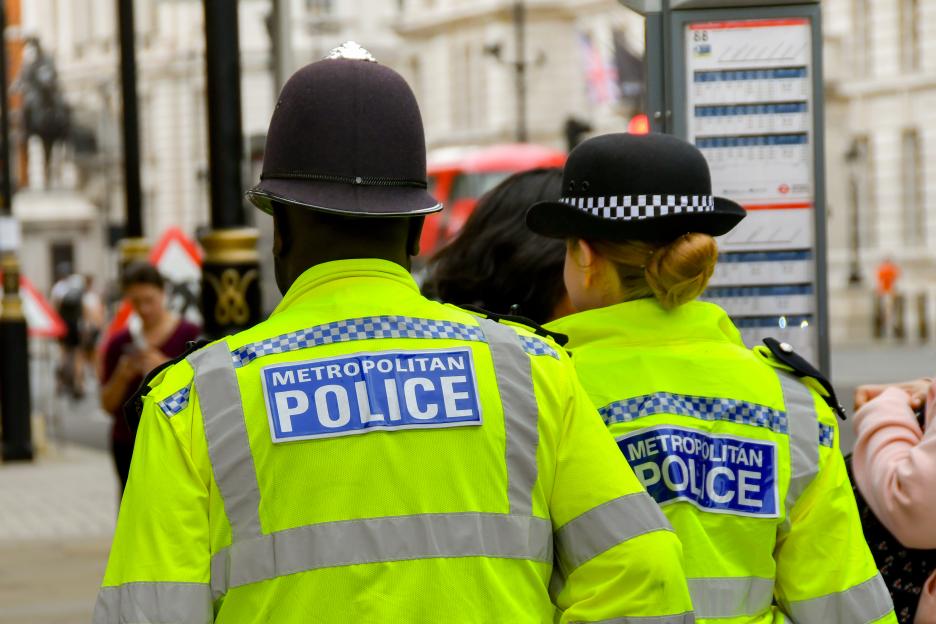 The number of police forces could be slashed to 12 in government plansCredit: Getty
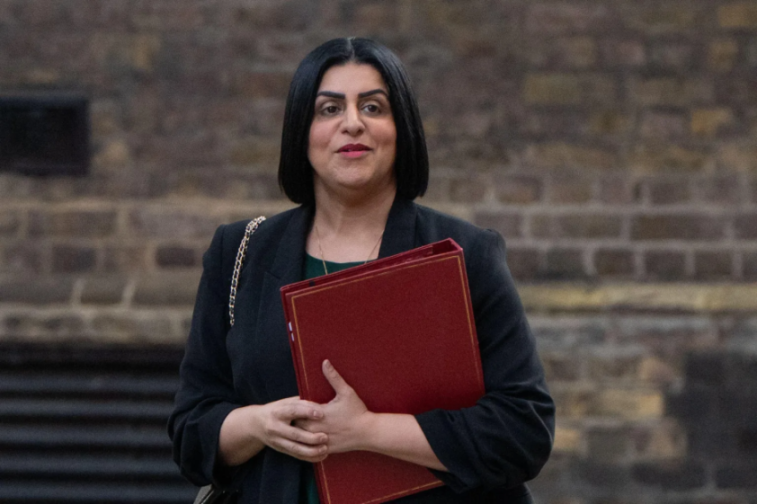 Home Secretary Shabana Mahmood could make the sweeping changes
The reforms are aimed at saving money by pooling tech, HR departments and expertise.
The Labour minister has pushed back her long-awaited policing blueprint until the new year because she’s now eyeing far bigger reforms than originally planned, according to The Times.
At the heart of the shake-up is a proposal to merge multiple constabularies, creating powerful regional “mega-forces” designed to cut costs and boost efficiency.
It would be the largest shake-up of policing since the 1960s, when the forces were cut from 117.
The move could come alongside other changes, such as police and crime commissioners (PCCs) being axed from 2028.
A source told the Times: “Shabana is minded to be bold. She is pushing in the direction of reducing the number of forces.”
Another source told the outlet: “The white paper has been delayed because there’s been a sense of a change in direction.”
The plan aims to make policing more consistent, better at tackling crime, and cheaper by pooling tech, procurement and specialist expertise.
A wider modernisation of policing practices is also on the table.
One option – the boldest – would see the map redrawn into 12 regional super-forces.
This would mirror existing structures like the 12 probation regions and the revamped local government system that will hand more powers to elected mayors when they replace PCCs.
If agreed, it would mark the biggest shake-up since the 1960s, when the number of forces was slashed from 117.
A softer version of the reforms could still lead to the merging of smaller neighbours – including Norfolk with Suffolk, Gloucestershire with Wiltshire, and the four Yorkshire and Humber forces.
Top brass, including Met Commissioner Sir Mark Rowley, have also pushed to slash the current 43 forces in and Wales down to a dozen or so regional units to save cash, share and boost clout.
Mahmood hinted at the reforms at a policing conference last month when she described the structure of police forces in England and Wales as “irrational” and causing inconsistencies.
She said: “We have 43 forces tackling criminal gangs who cross borders, and the disparities in performance in forces across the country have grown far too wide, giving truth to the old saw that policing in this country is a postcode lottery.”
The potential shake-up is expected to pave the way for an even bigger overhaul of how Britain’s police forces are run.
The Police Reform White Paper, due before the end of the year, will include new national standards, stronger performance measures and plans to end what ministers call a “postcode lottery” in crime outcomes.
It comes after ministers announced police and Crime Commissioner roles will be abolished.
The confirmed plans to get rid of PCCs and hand over oversight of policing to mayors and last month.
Ministers say the move will save taxpayers at least £100million over the next few years — with £20million a year reinvested directly into policing.
They claim that cash alone is enough to fund around 320 neighbourhood officers and help restore bobbies on the beat.
PCCs are elected officials responsible for overseeing local police forces and setting priorities for tackling crime.
They control significant budgets and have the power to appoint or dismiss chief constables.
Their abolition will mean crime plans are drawn up as part of wider public services like education, housing and healthcare.
In areas without a mayor, oversight will fall to elected council leaders.
The transition will happen at the end of the next electoral cycle in 2028, giving forces time to shift to the new system.
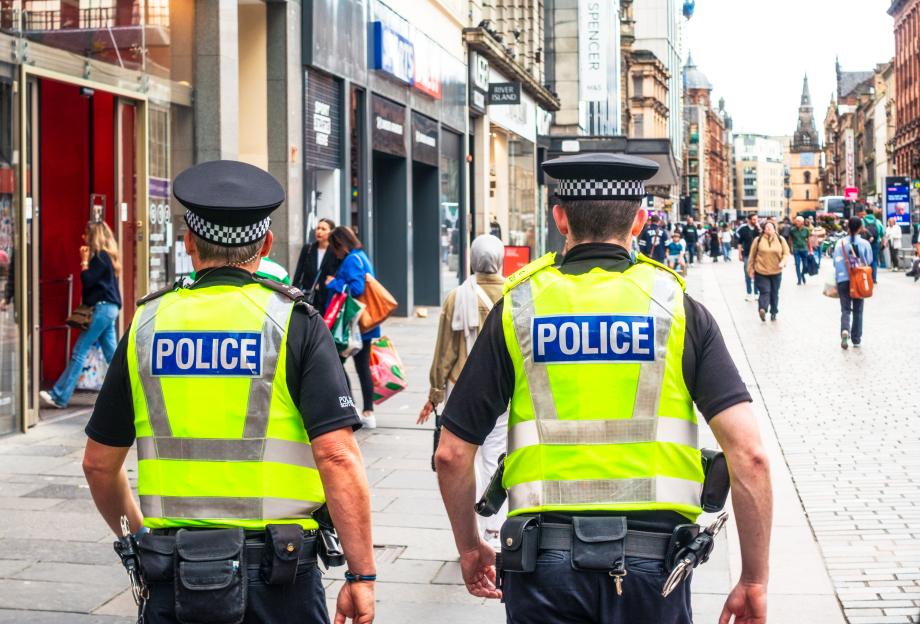 It could be the biggest police shake-up in yearsCredit: Getty