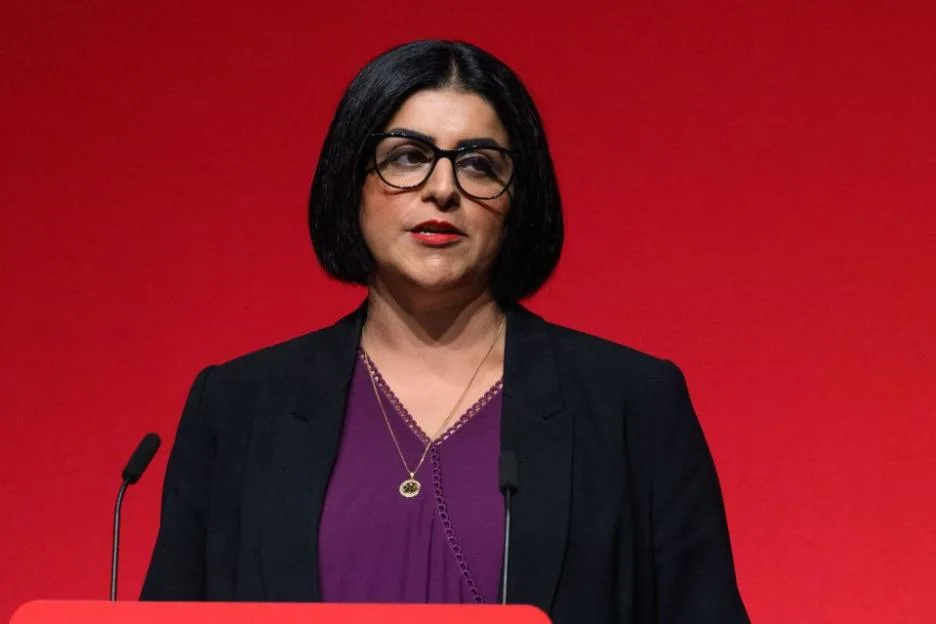
A RWANDA-style plan to remove failed asylum seekers to third countries is being actively cooked up by Labour, The Sun can reveal.
The Home Secretary said “live conversations” over return hubs were happening “across Europe, but in other parts of the world as well” as ministers hunt for new ways to ramp up removals.
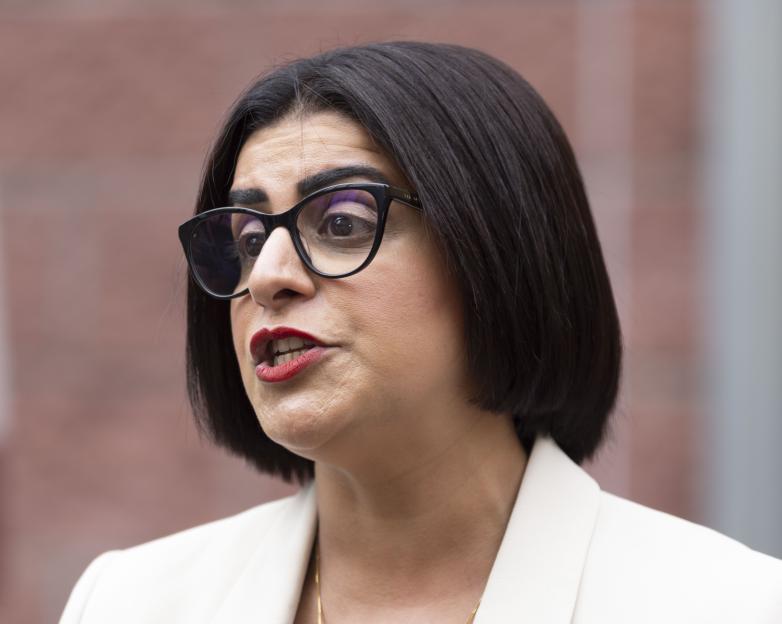 Home Secretary Shabana Mahmood is planning a Rwanda-style plan to remove failed asylum seekers Credit: News Group Newspapers Limited
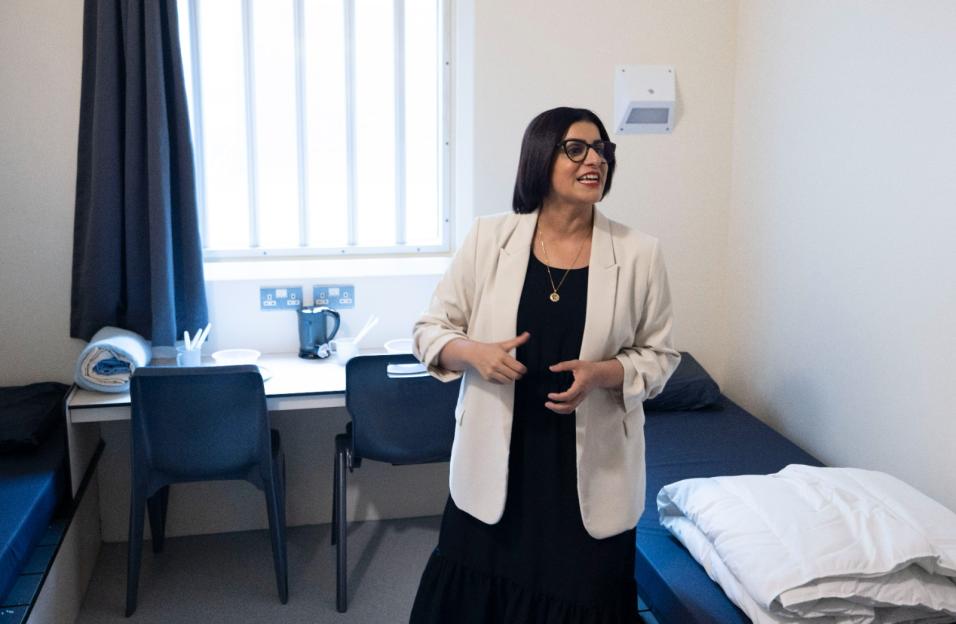 Ms Mahmood visited Heathrow Immigration Removal Centre
And she revealed has already begun deporting migrants under a separate UK-funded crackdown aimed at stopping them reaching small boats.
Watch the full video interview
Ms Mahmood insisted Labour was right to scrap the Tories’ Rwanda scheme because it “was not working and did not work” – but confirmed ministers remain open to third-country solutions.
She told The Sun: “We are also looking at third-country hubs, returns hubs .
“These are live conversations that are happening across Europe, but in other parts of the world as well.”
The Government has previously confirmed negotiations with a number of countries over return hubs, but no deal has yet been announced.
Return hubs would be aimed at failed asylum seekers who cannot be returned directly to their home countries – rather than replicating the axed Rwanda scheme exactly.
The Tories’ Rwanda scheme would instead have seen some asylum seekers who arrived illegally in Britain sent to the African country to have their claims processed there.
Labour scrapped the controversial plan after taking office in 2024, arguing it was hugely expensive and had failed to act as a deterrent.
Ms Mahmood said any future agreement would have to prove it was effective and legally watertight.
She said: “The most important thing I think in any deal that we strike now or in the future is about its effectiveness.
“Is it actually going to be able to do the thing that it says it’s going to do? Can it do so in a way that is compliant legally as well?
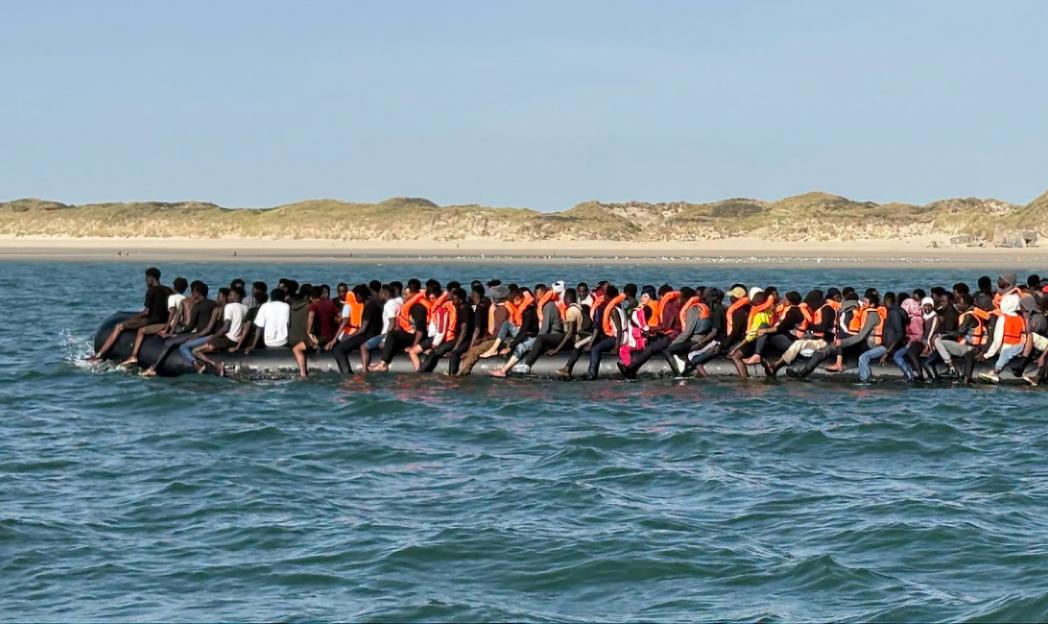 A large group of people packed into a single inflatable boat on rough water Credit: Supplied
 Home Secretary Shabana Mahmood, being interviewed by Chief Political Correspondent Martina Bet, was reappointed Home Secretary by Andy Burnham Credit: News Group Newspapers Limited
“That is the test hurdle. Those are the same challenges that other countries in Europe are grappling with. There’s no easy answers here, but I’m confident that whatever decisions we make, the main test will be: is it going to work, and can it be effective?”
Meanwhile, France has begun removing migrants under a separate £662million three-year deal bankrolled by British taxpayers.
The agreement struck in April includes plans for a detention centre in northern France to hold migrants before they can make the Channel crossing, with funding partly dependent on results.
Ms Mahmood said “They have actually done some deportations already, so some have begun.”
But she stopped short of confirming the long-awaited detention centre would be operational by the end of this year, saying: “We’re obviously working with them. It’s not operational yet.”
She insisted the French were nevertheless “doing their bit”, saying they had also increased prosecutions and were bringing more people to justice under their system.
And she warned Britain would stop funding parts of the French crackdown if they failed to deliver, saying: “If actually, you know, later this year, in the year, we’re thinking some sort of bits are not working, we won’t fund them anymore.
“We’re going to fund the things that work.”
The deal is also set to boost the number of French enforcement officers deployed against Channel crossings by 40 per cent, with Ms Mahmood saying the increase was already being rolled out.
She also defended French cops amid criticism over officers failing to stop packed dinghies once they reach the water.
She said French officers have “much fewer options” at the water’s edge because of the risk to migrants’ lives.
Ms Mahmood said: “If you only look at activity that’s happening at the water’s edge, actually that’s the last point at which anything can be done because at that point you’ve got an operational risk of people being in the water, and then obviously French officials have to make a decision based on operational risk to life.
“If you just go a few 100 yards up from water’s edge, you will see a lot of disruption activity. There is a huge amount of work happening with French law enforcement that is literally stopping people from actually getting to water’s edge in the first place.”
Her comments came as she visited Heathrow Removal Centre to mark the number of criminals and immigration offenders returned from Britain hitting its highest level since 2016.
Some 80,286 people have been returned since the election in July 2024, including foreign criminals, immigration offenders and failed asylum seekers.
But just 6,103 were migrants who had arrived in Britain by small boat, while only 19,622 of the overall total were enforced returns.
A further 11,733 were foreign national offenders, including 5,995 removed under the early removal scheme.
Ms Mahmood vowed to go “further and faster” against Channel crossings, declaring: “We’re going to bear down on small boats relentlessly.”
And as smugglers turn to “mega-dinghies” carrying hundreds of migrants at once, she warned: “Rest assured, the very fact of them changing their tactics is because they’re finding it more difficult to operate, and now they’re thinking of new ways of getting around the changes that we’re making with the French.
“We will find ways to stop them.”