PROBATION officers are threatening to quit over Government plans to release 5,000 prison inmates early, as many buckle under 150 per cent workload capacity.
Last week, 91 per cent of probation workers voted to strike, claiming they “cannot protect the public properly” amid Prime Minister early release plan to free up jail spaces.
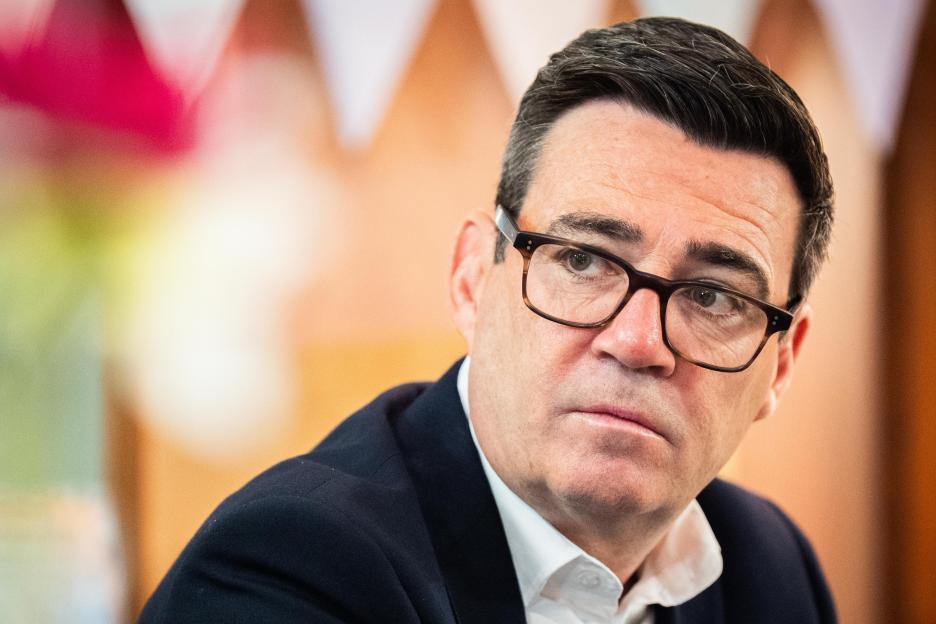 Andy Burnham’s early release plan to free up jail spaces led to 91 per cent of probation workers voting to strike last week Credit: PA
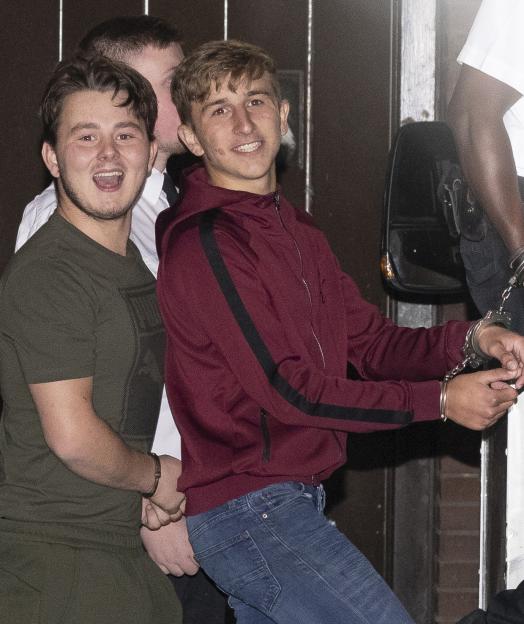 Albert Bowers (left) and Jessie Cole laugh and smirk as they leave court at an earlier hearing into the death of PC Andrew Harper Credit: The Sun
Now The Sun On Sunday can reveal overworked officers fear the impending surge will push the service to breaking point.
Former officer Liz Baxter warned: “Probation officers I’ve spoken to are horrified by this and scared about what will happen but don’t feel they can speak out about it.
“Some have already moved to other areas of the civil service that are easier. Some are looking for other work, and many are knuckling down to see how they get on.
“Nobody is working in that kind of job for the money, or for the hours or because it’s easy. They are doing it because they genuinely want to help people but if something goes wrong they know they will be thrown under the bus by managers.”
— supposed to handle a maximum of 45 cases — are already drowning under 60-plus, with numbers set to rise.
Last year, officers handling high-risk offenders averaged 118 per cent capacity.
Official figures show His Majesty’s Prison and Probation Service faced a 3,150-staff shortfall this year, while data from 2024 revealed officers adequately assessed risk of harm in only 28 per cent of cases.
Among those eligible for early release are cop killers , who dragged to his death behind a car.
More than demanding they serve their full sentences.
Liz, who quit in 2015 after her caseload spiralled out of control then wrote her memoir A Murderer’s Guide To Cleaning, is worried about the impact on young and inexperienced staff.
In some regions, up to 35 per cent of officers have less than two years’ experience.
Liz warned: “I’d never had any mental health issues before working in probation but I spent three months in bed and couldn’t think.
“I had 60 on my caseload — 13 of them were sex offenders, then I had a couple of murderers and an arsonist. The fear of missing something is horrendous.
“When I first qualified you weren’t allowed to see a high-risk offender until you were qualified for two years but now 21-year-olds with no life experience can be put in front of a murderer or sex offender who is skilled at lying and manipulating. It’s dangerous.”
Historically, probation officers were required to build up years of experience on lower-risk cases before being assigned complex offenders.
But due to severe staff shortages and backlogs, newly qualified officers — or even trainees in their early twenties — are now routinely assigned high-risk caseloads.
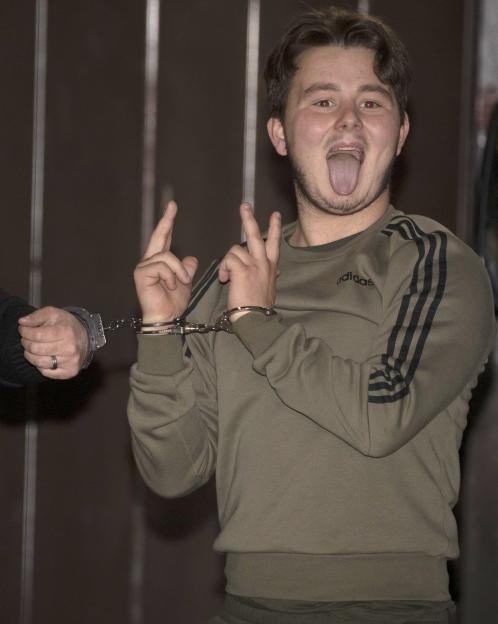 One of PC Andrew Harper’s killers, Albert Bowers, outside Reading court in 2019 Credit: The Sun
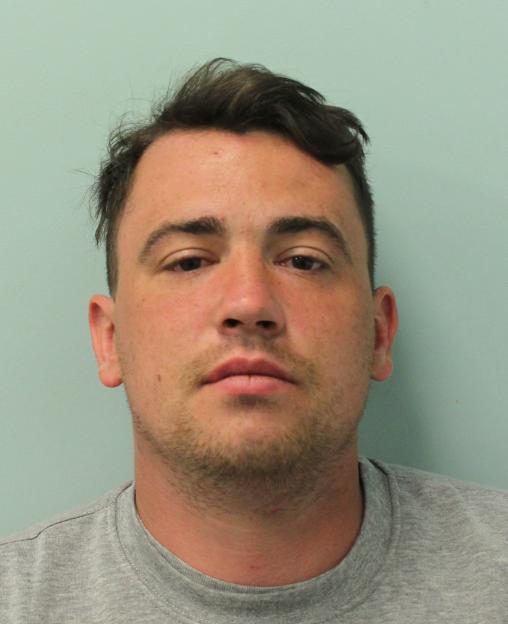 Jordan McSweeney was released from prison in June 2022 and was under probation supervision when he murdered and sexually assaulted aspiring lawyer Zara Aleena, 35, in Ilford, East London Credit: PA
Sharon Birch, a former officer turned safeguarding consultant, warned that its policy would likely increase on the streets.
She said: “I can see more probation officers quitting. How on earth are they going to manage these extra people. Inevitably some will slip through the cracks.
“To do everything we want for these people we would need ten times as many staff, whether that’s in education, policing or prisons. If people who should be in prison are being released all it’s going to do is raise the crime rate — we don’t have enough police officers now.”
Systemic failures are already proving deadly.
in 2015 in a case of mistaken identity in Bridgend, South Wales.
Braddon was subject to two community orders for drug offences and assaulting a police officer, yet probation staff didn’t know he was back in contact with an ex-partner he had previously abused.
At Conner’s inquest, junior probation officer Kathryn Oakley broke down, testifying she had been given an “impossible job.”
Handling 60 cases, including Braddon’s, she was regularly forced to stay in the office until midnight to try and catch up. Braddon is now serving life.
was released from prison in June 2022 and was under probation supervision when he murdered and sexually assaulted aspiring lawyer in Ilford, East London.
He missed supervision appointments after release, but probation did not take the urgent action necessary to recall him to .
His recently qualified probation worker, Austin Uwaifo, said McSweeney should have been graded high risk and, had he been, he would have pushed for him to have been recalled to prison earlier.
And was on probation when he killed girlfriend and her family with a knife in Bermondsey, south-east London, in April 2022.
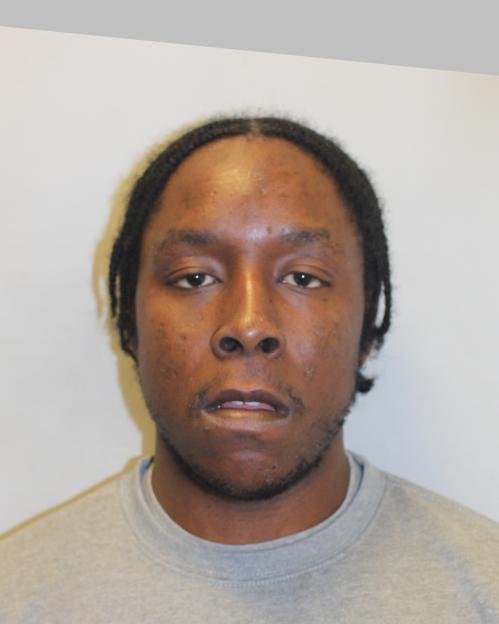 Joshua Jacques was on probation when he killed girlfriend Samantha Drummonds, 27, and her family with a knife in Bermondsey, south-east London, in April 2022 Credit: Central News
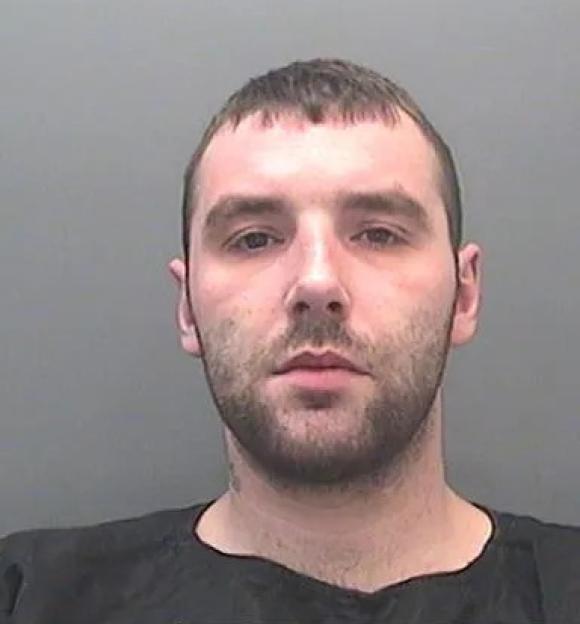 David Braddon, 38, beat 18-year-old Conner Marshall to death in 2015 in a case of mistaken identity in Bridgend, South Wales Credit: Wales News Service
A report by the HM Inspectorate of Probation found that there were “serious failings” in his supervision and highlighted that he was assigned to a newly qualified probation officer who had completed training only three months prior.
Charges for Serious Further Offences — which includes murders, rapes, and serious assaults committed by offenders on probation — jumped by 55 per cent in 2023–24 compared with 2021–22.
figures show more people were recalled to prison in the first three months of 2026 (13,193) than were released (12,977) — and experts warn that early release will only trigger a revolving door of reoffending.
Dr Jake Phillips, Cambridge criminology professor and editor of the Probation Journal, said: “What’s most likely to happen is probation workers are going to be very anxious about not wanting these people to reoffend, so there will be very high rates of recall back to prison.
“These early release schemes will accelerate that. Where we might see that is the chronic drug user who is going to be released homeless because there is now no time to set up housing and benefits. They will be more likely to reoffend.”
Staff shortages are the main reason cited for poor performance in the probation service, wiith a 21 per cent vacancy rate in 2025.
Failure to update old data meant it has only recently realised that the service has been operating with around half of the sentence management staff it needs.
Dr Phillips continued: “London has been hit hardest by the workload. A new practitioner earns just over £30,000 which isn’t much in London and the South East, so it has had a much higher vacancy rate for years. Wales and the North East have fared better but nowhere is fully staffed.
“People have talked about the severe anxiety of coming to work in the morning and finding out somebody has committed a serious further offence.
“It’s everybody’s worst nightmare and looms large in people’s minds.”
Many freed inmates will be fitted with electronic tags.
The MoJ estimates up to 22,000 extra offenders per year will require tagging by 2027, costing £3,130 per person.
Others face strict release conditions including exclusion zones, curfews and non-contact orders.
Yet charities warn the policy actively sets offenders up to fail.
Kelly Grehan, policy manager at Revolving Doors, said: “Most of the people on early release are going to be recalled, not because of committing new offences but just because of general chaos in their lives.
“Because probation officers have such big workloads, they don’t get to know the people they are supervising. You might always be late because you can’t tell the time but a probation officer who knows you will know that’s not a sign of risk.”
A Ministry of Justice spokesman said: “Probation staff do a vital job to protect the public. That’s why we’ve secured the biggest probation pay increase in over a decade and we’re recruiting 1,300 probation officers this year to cut workloads.
“Our record £700m investment is giving staff the resources, powers, and technology they need to manage those under supervision, on top of a record number of offenders being tagged.”