AS IRAN, Israel and America trade blows in the Middle East, ghost armies, guns-for-hire and terrorist proxies have become a powerful arm of war.
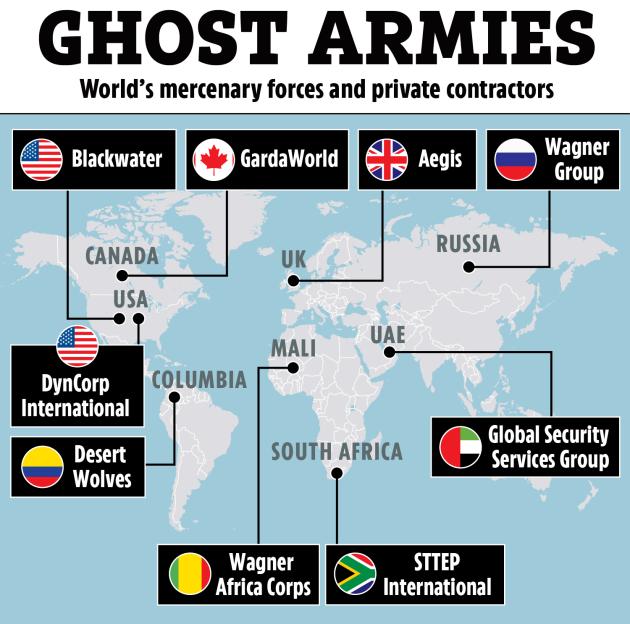
Mercenaries can be found fighting across the world – from Russia’s shady Wagner fighters to bloodthirsty Colombian veterans known as the Desert Wolves.
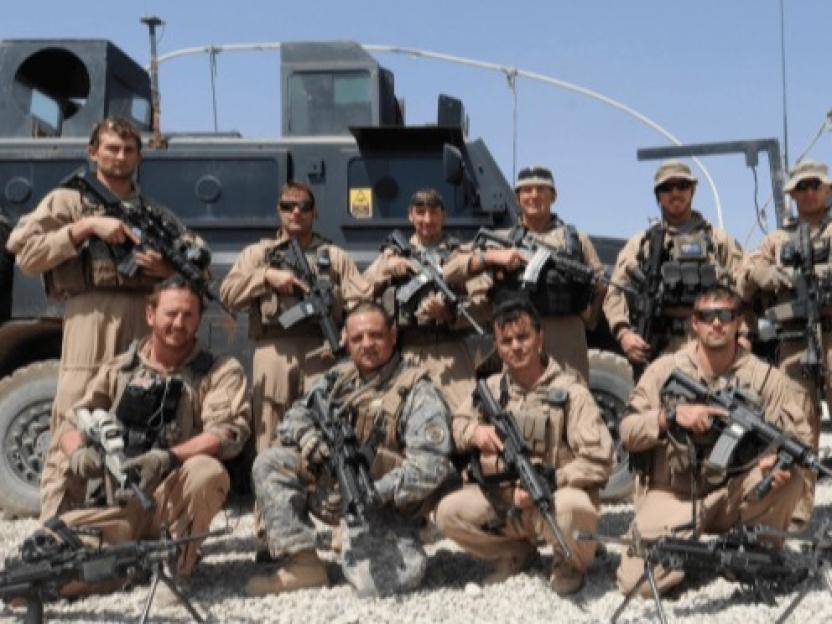 Private military contractors, such as Aegis, provide operational support to Western governments in the Middle East
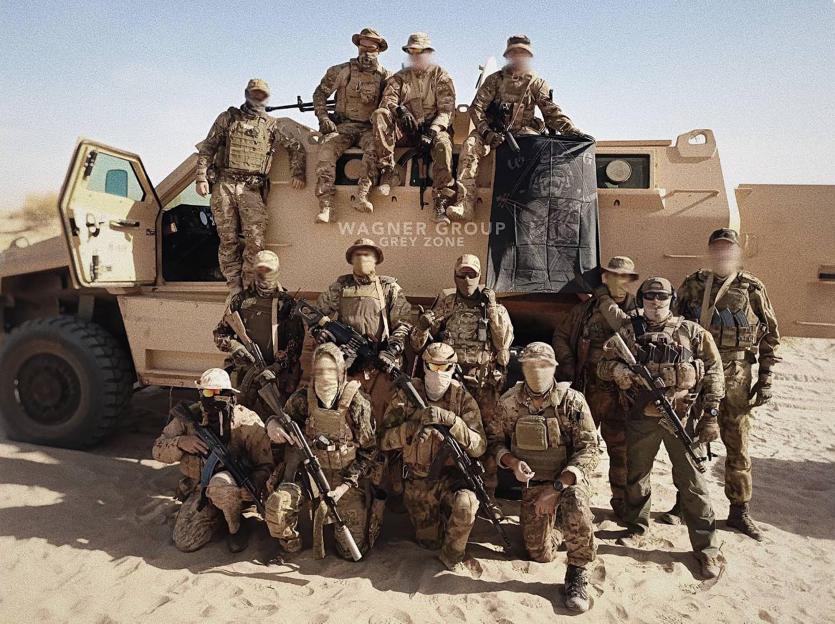 Russia’s infamous Wagner fighters have faced multiple claims of human rights abuses in AfricaCredit: East2West
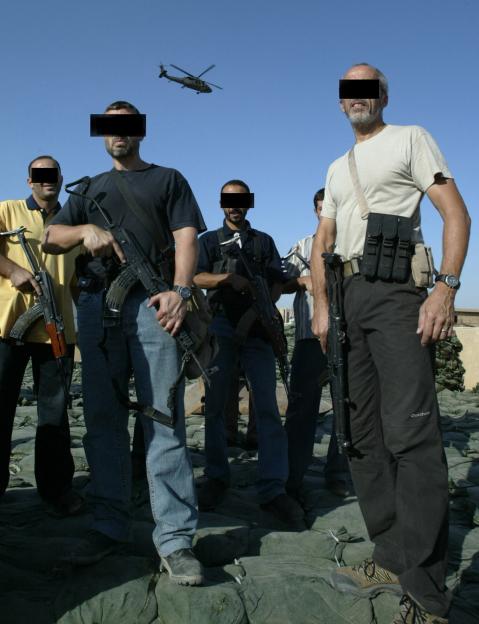 Heavily-armed foreign mercenaries stand beneath a Black Hawk helicopterCredit: AFP
From the Congo jungles to the deserts of Iraq and the Ukrainian frontline, mercenaries have reshaped modern warfare.
Made up of professional soldiers who fight in the shadows of battlefields, these highly-trained fighters are available to whoever can afford to hire them.
Unrestrained by rules of traditional warfare, so-called “rental armies” often have ties to governments and ruling elites – and can fight across multiple warzones.
And experts have warned that the market for private force has moved on from small units of retired soldiers, instead becoming a global, multi-billion pound industry.
Today, these fighters often operate through private military companies or rogue contractors – working in the , the Gulf, Africa and even .
They are also effective away from the battlefield – cracking down on uprisings, carrying out terrorist attacks abroad and gathering sensitive government secrets.
Professor Christopher Kinsey, an international development expert at King’s College London, said: “The mercenary has always been an instrument of state coercion.
“I always refer to them as operating in the shadows of foreign policy.”
Iran has recently been accused of using mercenary agents to do its dirty work.
Director General of MI5 Ken McCallum said in last year’s annual threat assessment that British intelligence had tracked “more than 20 potential lethal Iran-backed plots” in the last year alone.
Tehran for its part arrested ten supposed foreign-linked “mercenary elements” last month, accusing them of espionage as paranoia takes hold of its crumbling regime.
Tim Spicer OBE, a former British officer and CEO of private security company Aegis, says that mercenaries earned their notorious reputation by committing atrocities in African conflicts in the 1960s.
He said: “They will work for anybody who pays them. And they’re not too fussy who the paymaster is.”
But he argued that fighters who fall under the mercenary umbrella can vary wildly – between military units carrying out defensive support in legitimate conflicts and aggressors working for whomever flashes the most cash.
Spicer added: “A private security company has legal obligations and it wouldn’t be employed by a Western government if it didn’t stick to those.”
But historically these lines were not so clearly drawn.
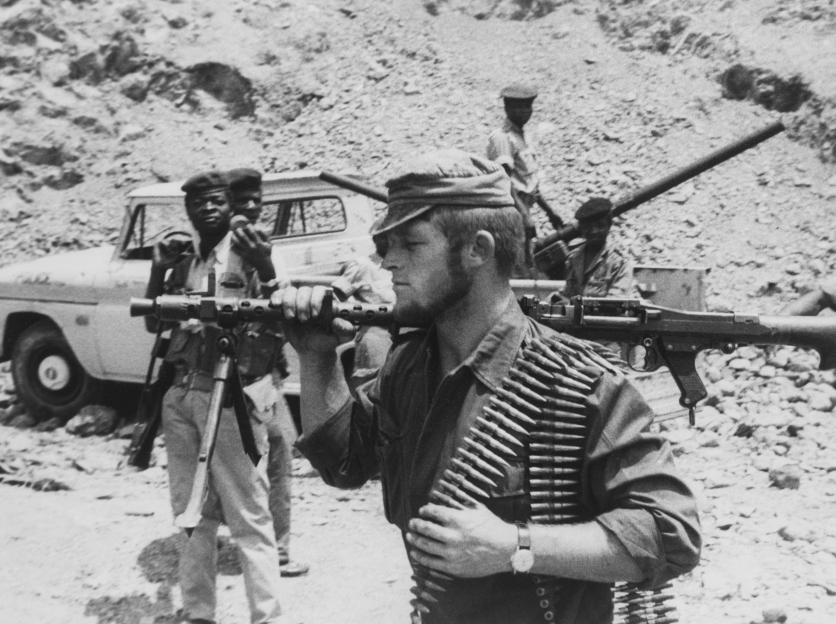 European mercenaries fought alongside African militants in the 1960s Congo CrisisCredit: Getty
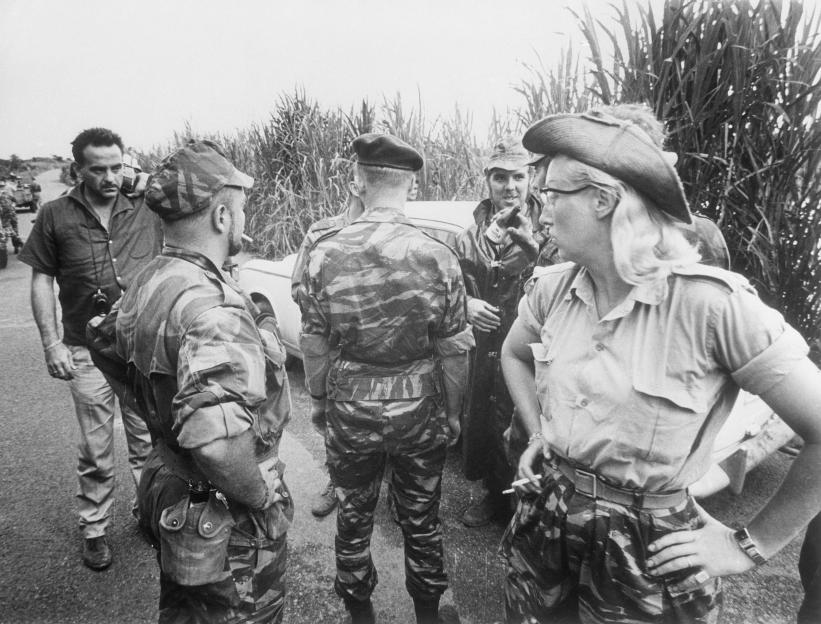 A blonde mercenary stands in a group of camouflaged Katangan mercenariesCredit: Getty
Kinsey said: “If you’re an African and you’ve been a subject of their brutality you might not see the difference between these organisations.”
In the early 1960s, mercenaries supported by , Britain and the were deployed in the resource-rich Katanga region of the Democratic Republic of Congo.
They fought for Katangan independence in the Congo Crisis, with Belgian mining companies dominating its copper-laden land.
Although mercenaries have existed for centuries, experts warn that a new age of fighters is on the rise – where the explosion of cyber warfare could create an army of faceless hackers.
And they could wreak more havoc on the world than hired guns.
Kinsey warned: “You’re not now looking at special forces guys, you’re looking at tech geeks that could paralyse a power plant with a computer. They can have a bigger impact than someone with a rifle.
“And it’s not about guns anymore, it’s about drones.”
Fighters are being pulled further away from frontlines, using cutting-edge weapons to devastate military bases and civilian targets from a distance.
But control becomes fragile when states outsource their conflicts – and they can become too powerful to handle by massing weapons and skills.
Prof Kinsey said: “Proxies are useful so long as their agendas align. When they start to diverge, it can cause problems.
“If you give them enough weapons at the start, they’ll keep hold of some of them.
“This was the problem with the Mujahideen in Afghanistan during the Cold War. The Americans didn’t really want to give them certain weapons because they were worried they would stockpile them and use them at a later date. The Stinger missile was one of them.
“There’s always a danger that proxies may make life very difficult for you as the supporting state.”
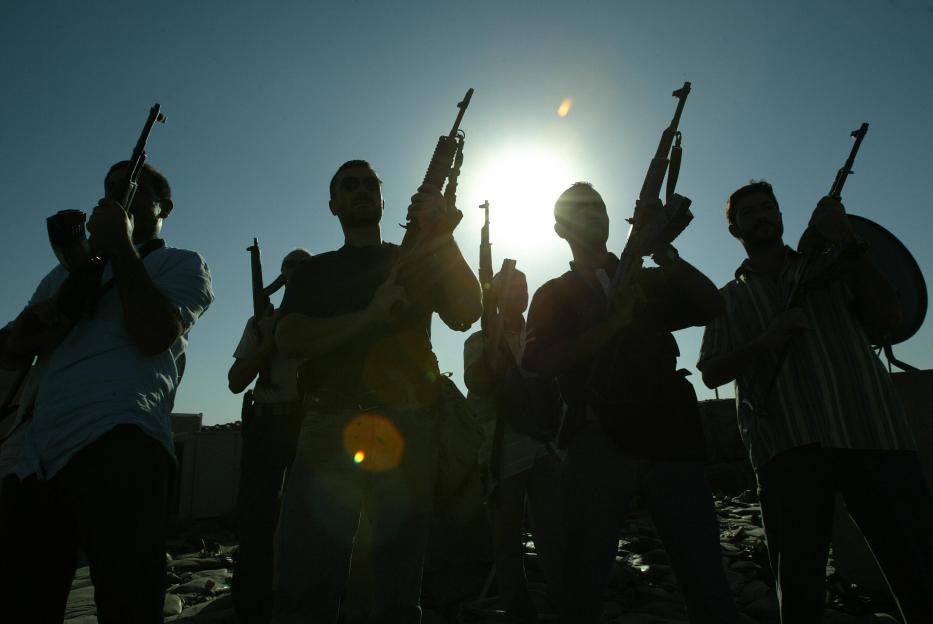 Members of a private security company pose on the rooftop of a house in Baghdad, IraqCredit: AFP
To Sean McFate, a national security and foreign policy expert, the growing influence of mercenary armies cannot be overstated.
He said: “There is a dangerous lacuna of understanding concerning this emerging threat.
“Private force has become big business, and global in scope. No one truly knows how many billions of dollars slosh around this illicit market. All we know is that business is booming.
“Recent years have seen major mercenary activity in Yemen, Nigeria, Ukraine, Syria, and Iraq.
“Many of these for-profit warriors outclass local militaries, and a few can even stand up to America’s most elite forces.”
Alongside mercenaries, Western private military contractors operate by providing security, supplying aid tactically and extracting stranded citizens from war-torn regions.
For government leaders, the appeal of a private contractor is often simple maths, Spicer explained.
“Governments rely on them because they are force multipliers,” he said.
“In military terms, if you deploy one infantry battalion, you actually need three because of the rotation cycle: one deployed, one on leave and one preparing.
“With a private company, you pay for them from the start of the contract to the end with no residual costs or pension requirements.
“It is a cost-effective way to get experienced people on the ground for finite work.”
But these private contractors are worlds apart from mercenaries such as Wagner, a state-funded arm of the Russian military, Spicer said – in terms of their brutality and operations.
Wagner has become a benchmark for a shadow army that advances state goals – while keeping a distance from its Kremlin control room.
Spicer said: “Wagner is just an adjunct to the Russian military.
“They are Kremlin-funded and probably directly controlled by the or a national intelligence service.
“They are not like British and American private security companies and will engage in offensive combat to further Russian foreign policy. Our rules of engagement were only defensive.”
Wagner made headlines in 2023 when its charismatic rebel commander decided to turn on the Kremlin and launch a coup against .
 Yevgeny Prigozhin standing in front of multiple bodies lying on the ground in an unknown location as he took aim at Vladimir PutinCredit: AP
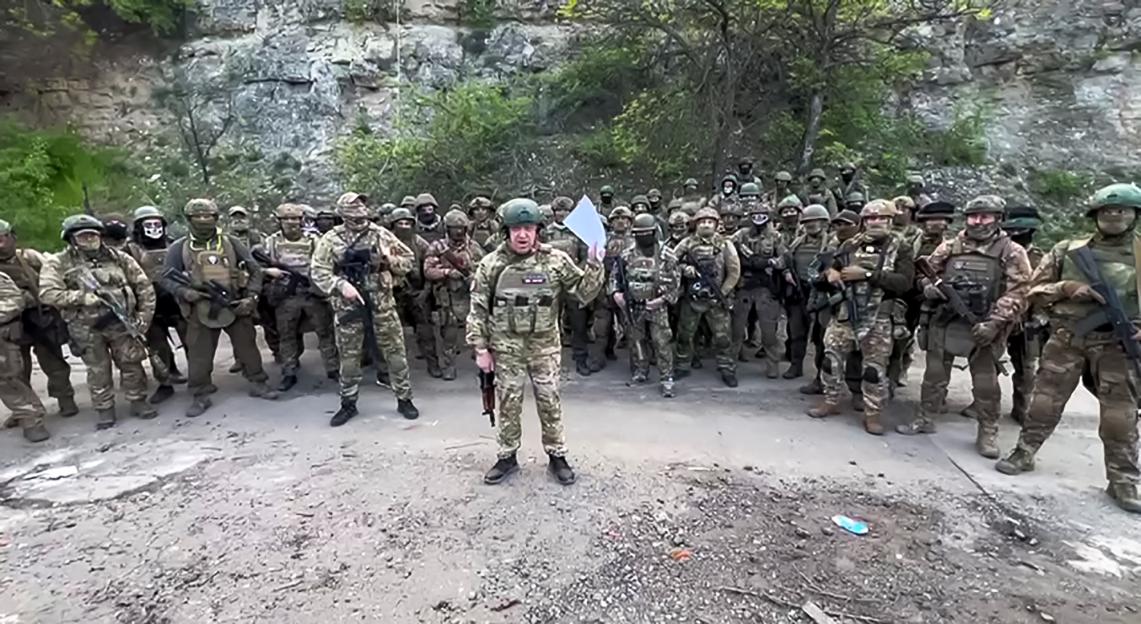 Prigozhin and Wagner militants list their demands before launching a coup against the KremlinCredit: Getty
Unsurprisingly, the warlord, who openly criticised Putin, died two months later in a private jet crash fireball.
Spicer said: “It just seemed like utter lunacy. Did he really think he was going to take on the Russian army?”
In the aftermath of the humiliating showdown, Wagner has now largely rebranded as Africa Corps.
Its forces have faced multiple claims of abuses and war crimes while operating on the continent.
According to a UN report, at least 500 people in the Malian town of Moura were summarily executed by local troops and “armed white men” who were described as speaking an “unknown language”.
The 2022 incident was defended by the Kremlin’s foreign ministry, which hailed it as a “key victory” against ““.
It rubbished allegations of a massacre as “disinformation”, despite several witness accounts backing them up.
And it’s these types of operations that have seen Wagner gain worldwide notoriety while turning a profit.
In exchange for its brutal services, receives lucrative rights for a country rich in natural resources from gold to uranium.
By February 2024, Russia had extracted around £2billion worth of gold from Africa in the two years prior, which was helping it fund its war machine , according to the Blood Gold Report .
With a lacking moral compass, Wagner appears to provide security to any military junta or corrupt dictator who will cough up the for its services.
It has provided personal protection for Central African Republic President Faustin-Archange Touadéra, who detractors say runs a “predator government” rife with corruption.
Once again, receives mining rights for the country’s resources in return.
But it is not only the Russian mercenaries who have left a trail of carnage on the continent.
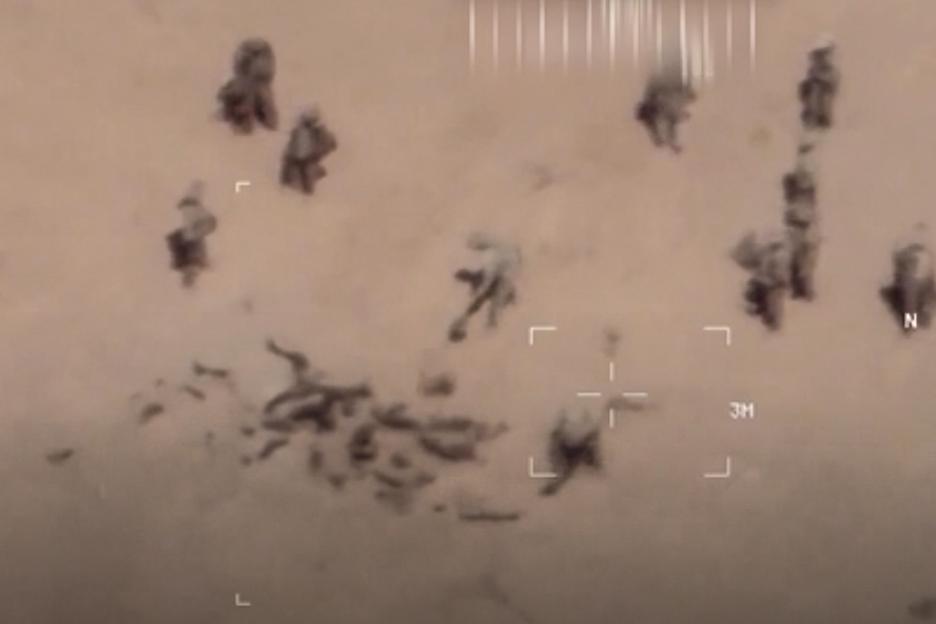 Damning footage shows Russian mercenaries burying bodies near an army base in northern MaliCredit: AP
 Supporters of the Burkina Faso government parade wave a Russian flag in the streets of capital OuagadougouCredit: AP
Last year, it was revealed that Colombian military veterans – known as the Desert Wolves – have been fighting alongside the bloodthirsty Rapid Support Forces (RSF) in the Sudanese Civil War.
The RSF is a paramilitary group that has been accused of perpetrating ethnic slaughter, mass rapes and the systematic killing of women and children.
And Colombian mercenaries, some of them teenagers, helped seize the southwestern city of El Fasher last October. An estimated 60,000 lost their lives in the ensuing massacre.
Spicer said: “I put Colombian mercenaries in the same box as Wagner. To me, it goes back to the distinction between mercenaries and private security.
“Mercenary has become a pejorative term because of people that operated in Africa in the 60s. They will work for anybody who’ll pay them.”
According to an by AFP, the former Colombian soldiers were recruited on and trained in the UAE.
Reports say they were paid by an Emirati private security contractor called Global Security Services Group.
In return for their expertise in drone and artillery warfare, they were paid up to $4,000 (£3,000) a month, according to a former soldier, which is up to six times their army pension.
Spicer’s experience as a private contractor – where he worked alongside Western government armies in Iraq and Afghanistan – paints a different picture of this model.
These armies provided defensive support in legitimate conflicts, he said.
Contractors like Aegis were drafted in and hit the ground running, with the initial teething problems were quickly resolved.
“In my experience, the relationship worked extremely well,” says Spicer.
“There was some initial friction in 2004 as the system was being trialled, but we quickly developed effective relationships with the British and American militaries.”
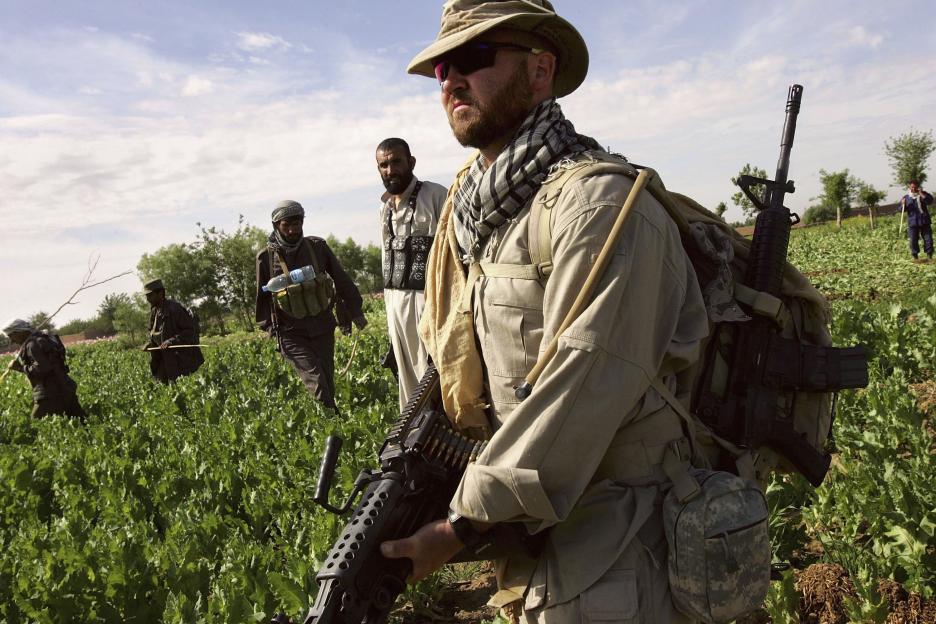 An American supervisor from the DynCorp security contractor watches Afghan forces cut opium poppiesCredit: Getty
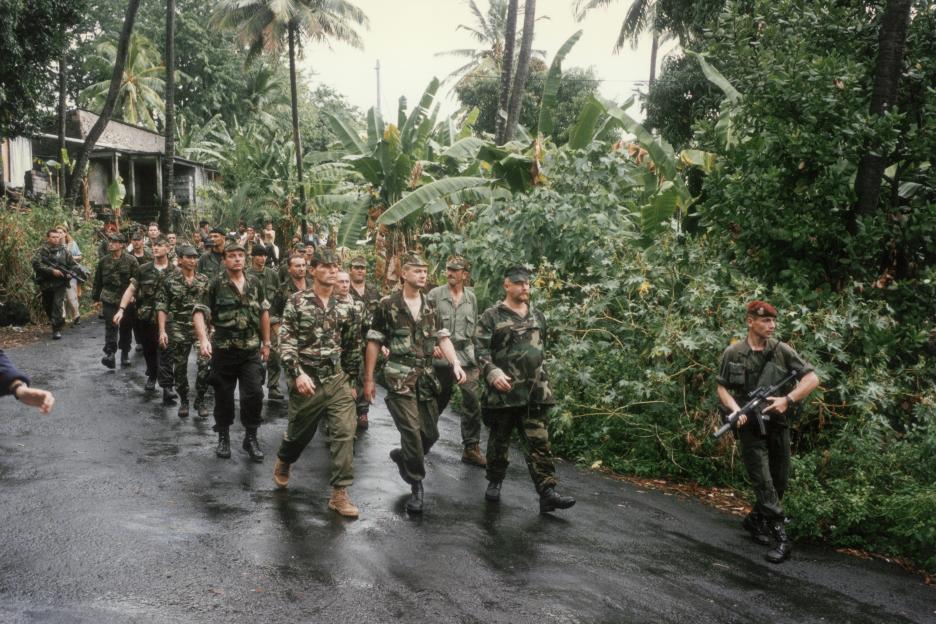 French mercenary Bob Denard during a ‘coup d’etat’ of the Comoros Islands, in Eastern AfricaCredit: Getty
Today, state-funded forces have also become a huge part of conflicts – such as Iranian-backed militias and .
Designated as terrorists, these groups are armed and paid for by Iran.
“Groups like Hezbollah, Hamas, and the Houthis are terrorists,” Spicer said.
“They work against governments in their areas and are supported, armed, and paid for by .”
But in a similar vein to mercenaries becoming too powerful, Iran arming Hezbollah – as part of its Axis of Resistance – could prove problematic in bringing an end to war in the Middle East.
The Lebanese militia is deeply embroiled in conflict with and could draw into residual fighting beyond any peace plan.
Still, Operation Epic Fury has managed to wipe out much of Iran’s top brass, and a ceasefire offers hope of a resolution in the not too distant future.
“The end goal for many is to see the regime toppled and the country brought back into the international fold,” says Spicer, adding that removing its leadership “is a very tall order.”
If and when the current conflict subsides, private security companies are likely to play a crucial role in the aftermath.
Spicer said: “Private contractors primarily provide value in a post-conflict or post-operational state to maintain stability, guarding bases or providing close protection for senior officers.”
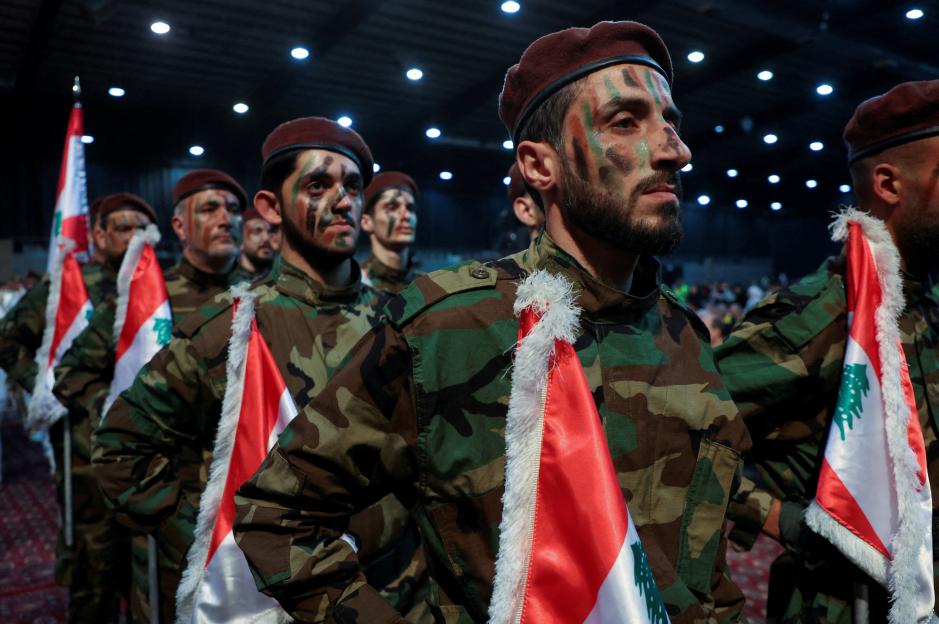 Hezbollah members parade during a rally marking al-Quds Day (Jerusalem Day) in Beirut’s south.Credit: Reuters