A ‘SUPER-FIT’ mum who noticed a strange taste in her mouth was devastated when doctors revealed it was incurable cancer.
June Kelly, 48, who had competed in triathlons and half marathons and ran a cleaning , first noticed something was wrong in March 2021.
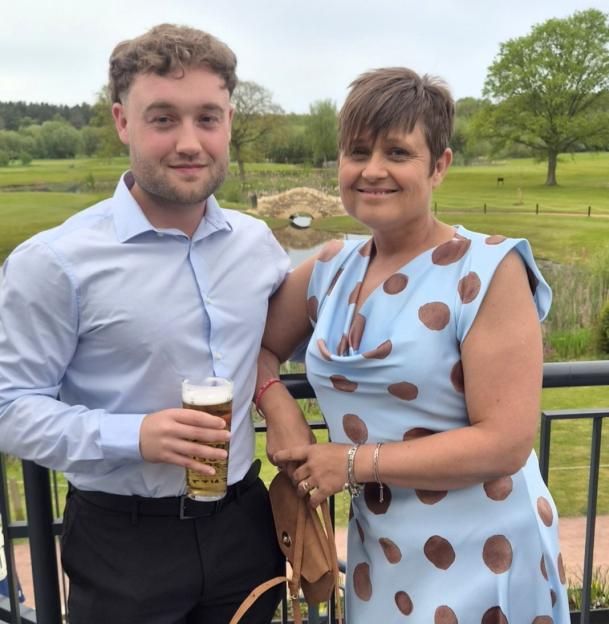 June Kelly, pictured with her son Max, says a strange taste in her mouth was the first sign of her incurable cancer Credit: SWNS
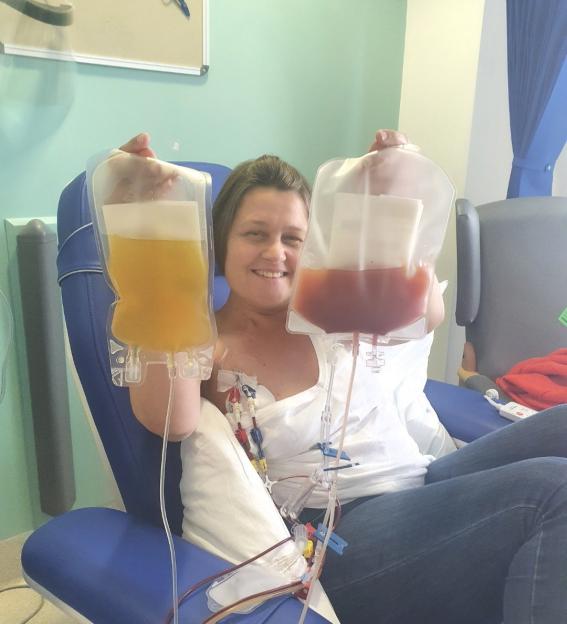 When a GP found the mum-of-twos kidneys were failing, she was rushed to hospital for more tests Credit: SWNS
The mum-of-two was rushed to hospital after GP tests revealed she had .
She had a rare , which is a type of that starts in the bone marrow.
June, from Micklefield, Leeds, West Yorks., said: “When I was told it was myeloma, it completely blew my world apart.
“I was the fittest I’d ever been in my life and I’d gone from feeling a bit tired and having a strange taste in my mouth, to being told my kidneys were failing and then that I had incurable blood cancer.
 June with her son Max and daughter Mia at the York Races in 2023, two years after the diagnosis that would turn her life upside down Credit: SWNS
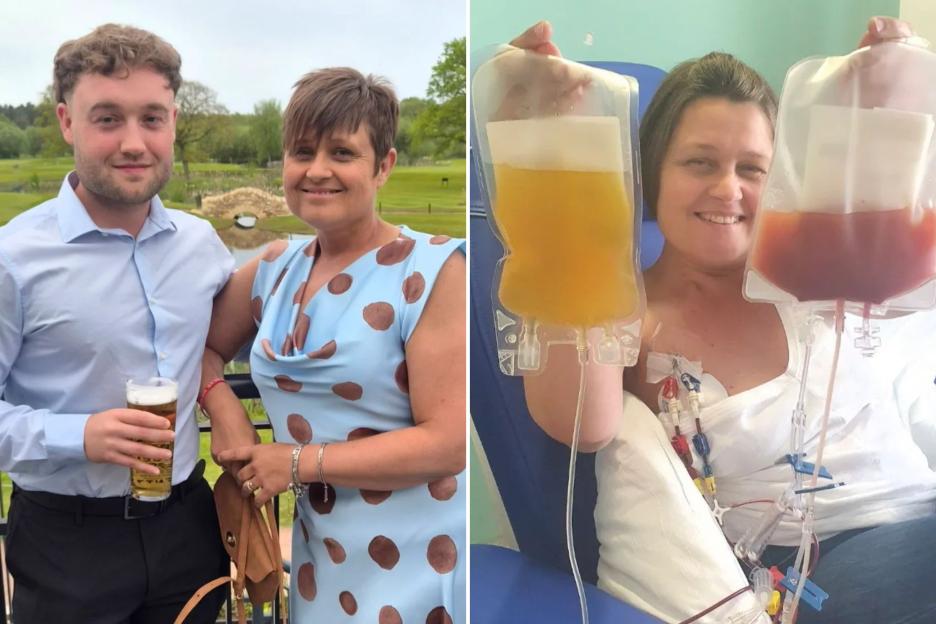
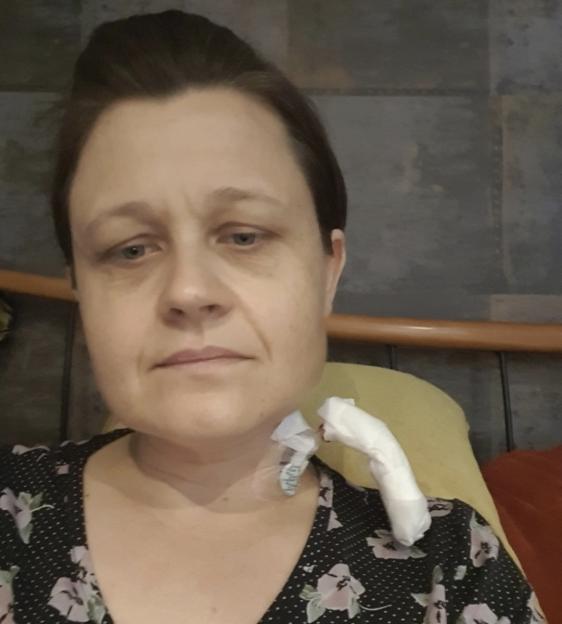 June had “never heard of myeloma” before her diagnosis (pictured just after, with a line in for kidney dialysis) Credit: SWNS
“Being diagnosed with myeloma has taken away so much but it has also made me a stronger person, who no longer worries about the little things and appreciates every day.”
The condition, diagnosed in 6,532 new people each year and the cause of 3,200 deaths, cannot usually be cured, but it can be treated.
Treatment for myeloma can get you into remission, but for most people, the myeloma comes back and needs more treatment. More than 35,000 people in the UK are living with the condition.
June said: “I was getting short of breath when running up hills, finding it hard to get warm and I had this that wouldn’t go away even when I used mouthwash so I went to see my GP.
“I thought it was my or maybe an underactive , but the doctor did blood tests.
“The next day he told me to get to hospital urgently – my kidneys were failing. It was a huge shock.”
Doctors at York Hospital discovered her kidneys were working at just five per cent and she needed urgent dialysis and a transplant.
Abnormal plasma cells make a large amount of antibody protein (immunoglobulin), which can damage the kidneys and cause symptoms like tiredness, swollen ankles and loss of appetite.
A week later on March 30, June was dealt a further blow when tests revealed she had myeloma.
Doctors told June her failing kidneys were behind the bizarre metallic taste.
Other symptoms can include persistent pain, fatigue, fragile bones and kidney problems.
June said telling her family including her son Max, now 25, and daughter Mia, now 20, with the support of her husband Adrian, 57, was one of the hardest things about her cancer diagnosis.
 June, pictured with daughter Mia, said there were “a lot of tears” when she was diagnosed Credit: SWNS
 Symptoms of myeloma often missed
Myeloma, a type of blood cancer, often has no symptoms in its very early stages.
When symptoms do appear, they can be vague and are frequently mistaken for other common ailments.
These can include:
Bone pain
This is often the most common early sign. The buildup of abnormal plasma cells in the bone marrow causes the bones to thin and break down.
It’s often described as a persistent, dull, aching pain rather than a sharp sting.
Fatigue, weakness and breathlessness
Myeloma cells crowd out healthy, normal blood cells in the bone marrow.
This causes anaemia – a low red blood cell count – which can make someone feel overwhelmingly tired or weak for no obvious reason, and light of breath after light activity.
Frequent infections
Healthy plasma cells are supposed to make antibodies to fight bugs. Myeloma cells produce abnormal antibodies (called paraproteins) that cannot fight infection effectively.
So one symptom is catching more infections than usual, which are difficult to shift.
Pins and needles
If the abnormal proteins build up around nerves, or if damaged bones press on them, it can cause nerve issues.
This typically manifests as numbness, “pins and needles” or increased sensitivity to touch in the hands and feet.
Sources: Myeloma UK, Cancer Research UK (CRUK), and Macmillan Cancer Support
She said: “I don’t think I told people the name of the cancer.
“I had never heard of myeloma.
“We just said it’s a form of cancer and it’s treatable but it will never go away and there were a lot of tears.
“There were questions too but I deliberately tried to restrict the information I read.
“I dealt with it on a need-to-know basis, but Adrian read everything.”
Cancer Research UK says that after five years, 60 per cent of people will survive a myeloma diagnosis at stage 2, and 40 per cent at stage 3.
“I told the doctors: Tell me what to do and I will do it.
“In my head, I knew that whatever happened I needed to be well enough to meet my sister’s baby, as she was pregnant and due that year.”
June began chemotherapy the day after her diagnosis, with weekly injections for four months.
She said: “I was lucky that I didn’t really have many chemotherapy side effects apart from slightly blurry vision, and the treatment and dialysis made me feel so much better.
“It made me realise just how unwell I’d been.”
Last September, she underwent a stem cell transplant at Queen Elizabeth Hospital in .
After four weeks battling an infection in hospital, she returned home and now continues maintenance chemotherapy in tablet form.
Due to her cancer, June cannot have a kidney transplant and undergoes dialysis three times a week.
But despite it all, she is determined to live life to the fullest and has bought a campervan with Adrian to explore the UK.
They even made it to the Scottish Highlands and Loch Ness, stopping for dialysis in along the way.
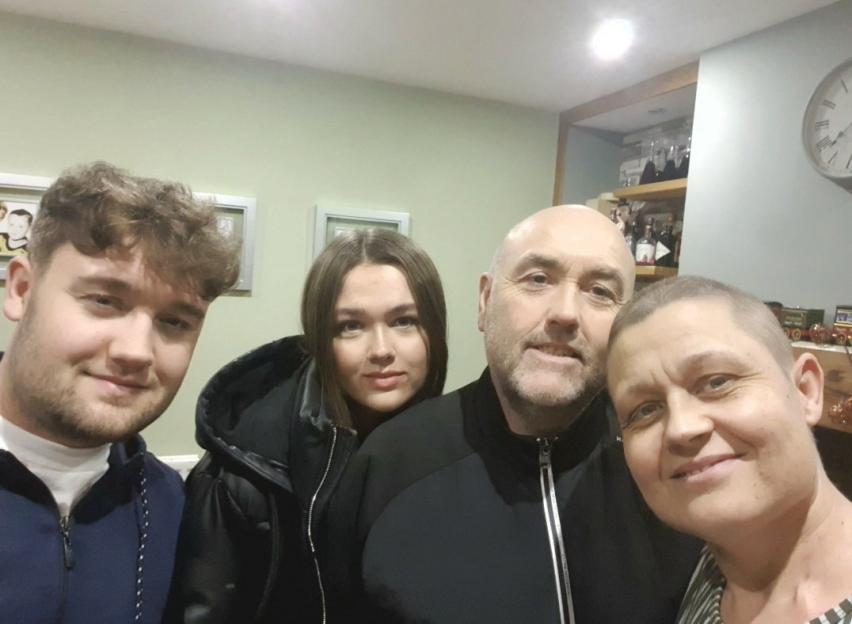 Myeloma remission is almost always followed by a relapse. Pictured, June with her husband, son Max and daughter Mia Credit: SWNS
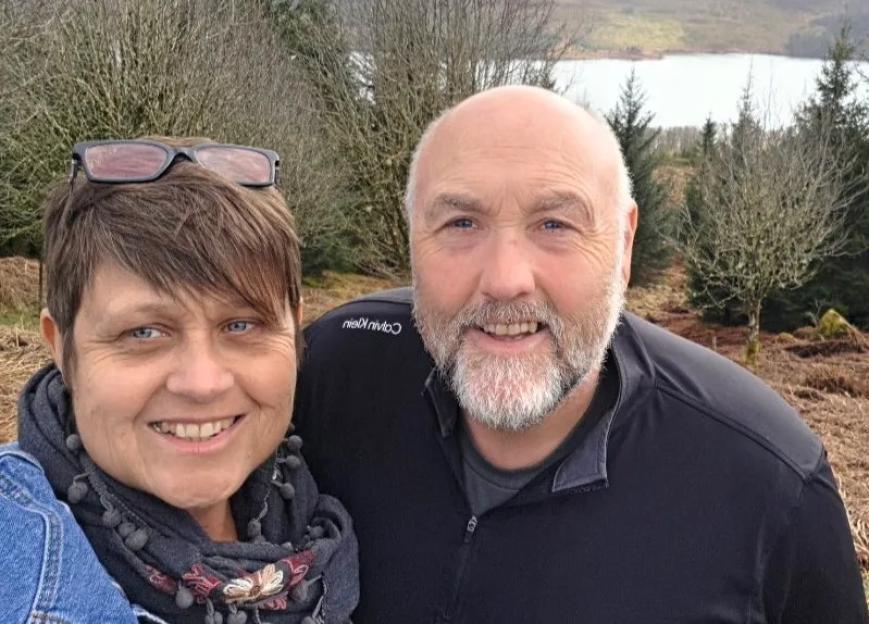 June and her husband Adrian, pictured in Scotland, have bought a campervan to explore the UK Credit: SWNS
June said: “I enjoy the good days and just get through the bad.
“The first year my goal was to see my niece born, this year I wanted to see my son graduate and niece start school and next year I want to see my daughter graduate.”
June is sharing her story during Myeloma Awareness Week, backing Myeloma UK’s campaign to help others spot warning signs early.
Dr Sophie Castell, Chief Executive at Myeloma UK, said: “The most important thing you can do is get your symptoms checked.
“We know that myeloma can be difficult to diagnose, so bring the Myeloma UK Symptom Translator with you to the GP, ask for answers and get to the bottom of what’s causing your pain, infections or fatigue.
“Know the warning signs, put your first and help us catch myeloma earlier.”