MOTORISTS have been urged to postpone non-essential journeys this week as extreme heat warnings hit the nation.
Hundreds of railway services have also been cut due to the risk of failures in high temperatures.
 Brits are being urged to postpone their journeys this week if they don’t have effective air-con Credit: bymuratdeniz
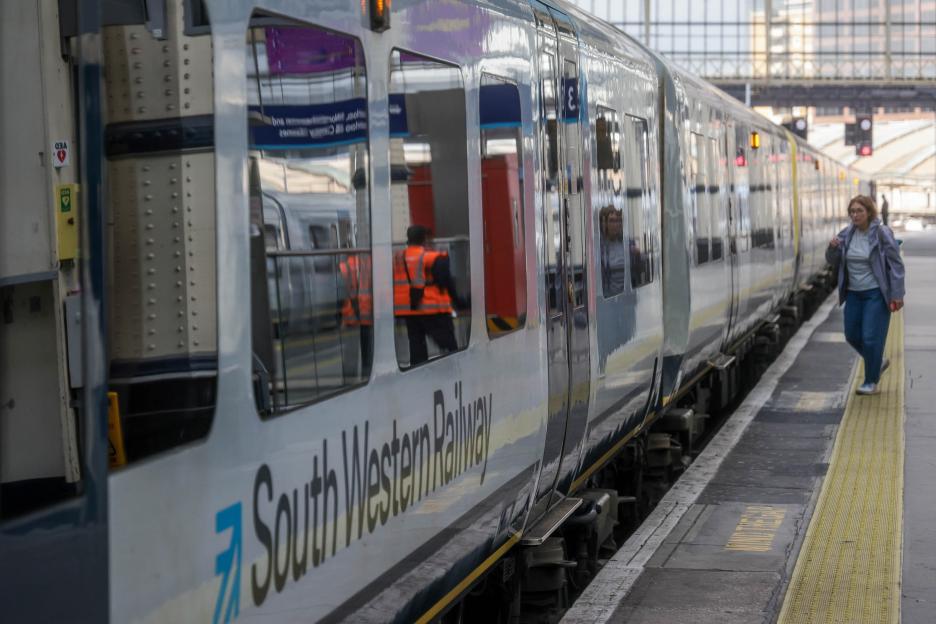 South Western Railway issued a warning to customers that some services may be cancelled due to the weather Credit: i-Images
The has urged drivers whose vehicles do not have effective air-conditioning to “strongly consider” postponing any non-essential journeys this week.
This comes as the has issued a red weather warning for extreme heat on Wednesday and Thursday.
The Met Office has said “During the heatwave expected to affect a large part of England and Wales this week, the highlighted area now looks increasingly likely to see a two to three day period where maximum temperatures in the shade exceed 37 Celsius, perhaps rising to 38 to 40 Celsius in some places.”
The RAC road safety spokesperson, Rod Dennis, said that these warnings are “rare” and “we urge everyone to take them seriously this week”.
He added: “We ask anyone who breaks down to be patient while breakdown providers prioritise the most urgent roadside jobs.”
According to the company, the volume of breakdown call-outs are set to exceed those of June last year by more than 20 per cent.
As a result, longer wait times for breakdown rescue are more than likely.
are also being warned of disruption and potential service cancellations.
South Western Railway issued an alert stating that “services may be subject to short-notice cancellations and amendments”.
Meanwhile, Great Western Railway said it will be running fewer trains than usual between London Paddington and until Friday.
This is because Network Rail is not moving some points – which allow trains to move from one line to another – on the route to cut the risk of failures, which are more likely in high temperatures.