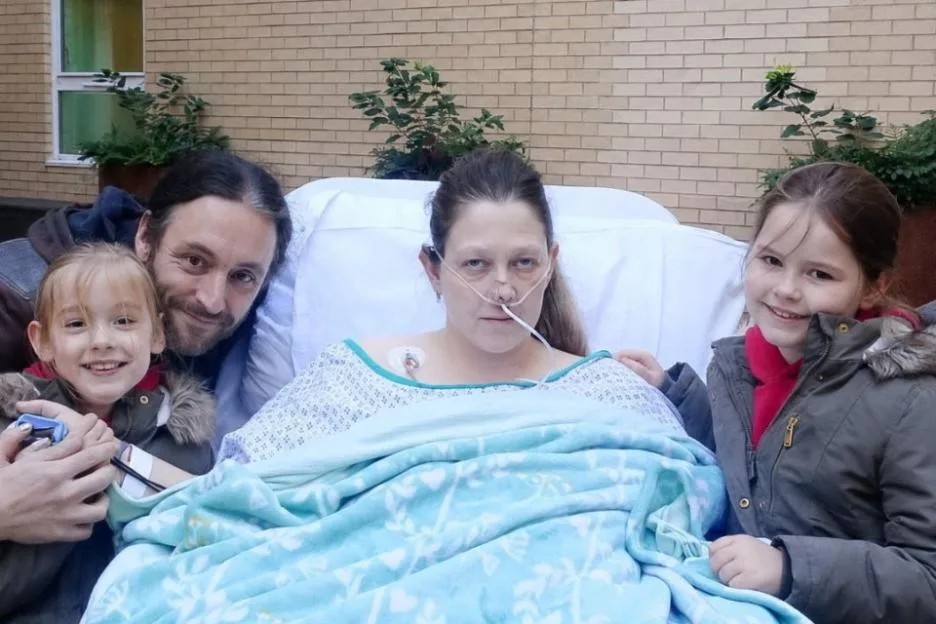
OVER 100 deaths linked to the blockbuster weight loss jabs Mounjaro and Wegovy have now been reported.
There have also been 15,000 reports of “serious” adverse effects to the fat jabs, drug watchdog data has revealed.
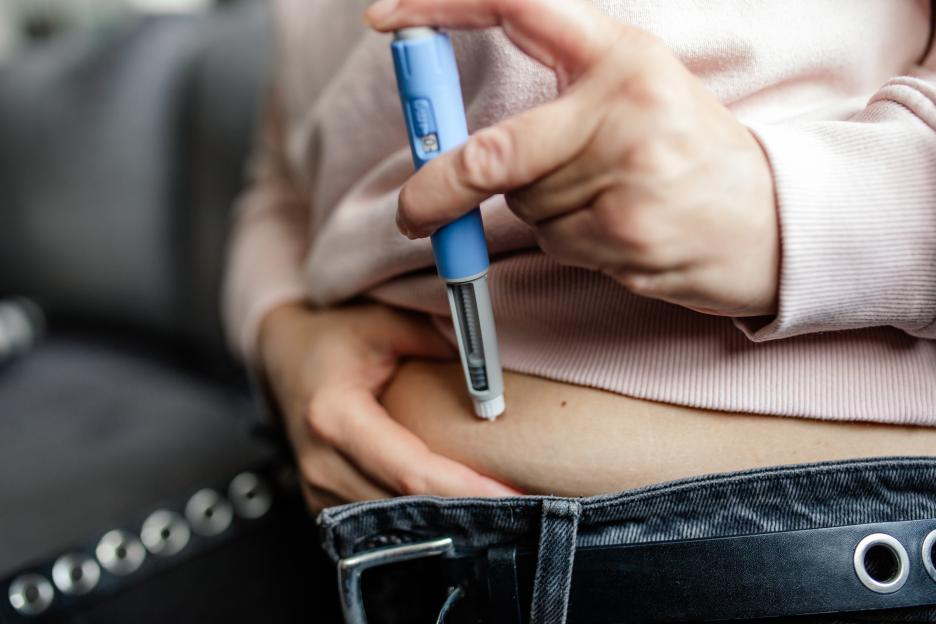 Over 100 deaths linked to the blockbuster weight loss jabs Mounjaro and Wegovy have now been reported Credit: Getty
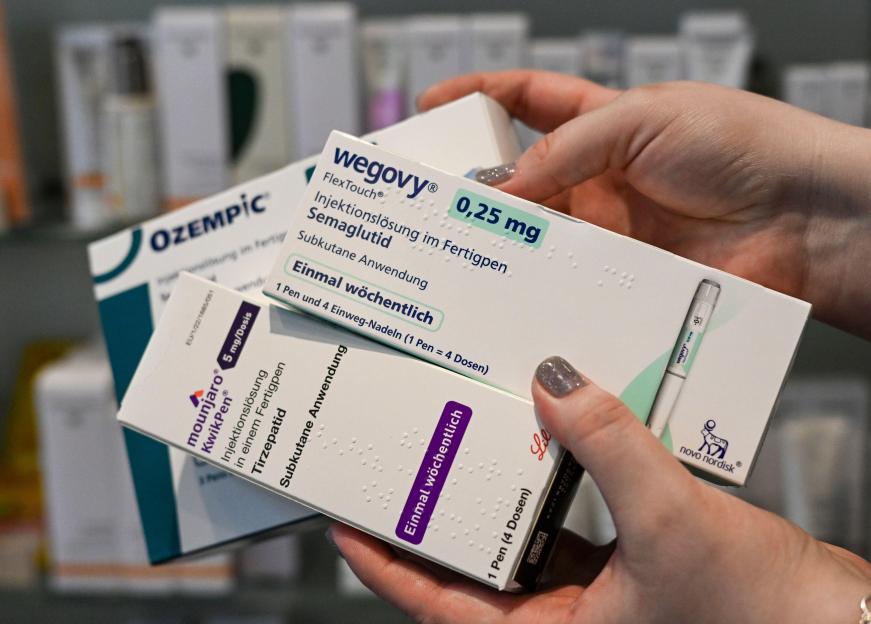 There have also been 15,000 reports of “serious” adverse effects to the fat jabs Credit: Alamy
What’s more, around 150,000 reports of non-serious adverse side-effects have been filed by patients in the UK using weight-loss medications.
According to figures published by the Medicines and Healthcare products Regulatory Agency (MHRA), these reports have been made about all the fat jabs available through the .
These include liraglutide, also known as Saxenda, semaglutide – the active ingredient in Wegovy – and tirzepatide, which is found in Mounjaro.
Some 98 to tirzepatide, 18 to liraglutide and 37 to semaglutide.
It must be noted, however, that none of these fatalities are proven to have been caused directly by the game-changing .
They could have been caused by underlying or undiagnosed illnesses which are unrelated to the fat jabs.
This new data, revealed in an analysis by The Times , came from the MHRA’s Yellow Card Scheme.
The scheme allows relatives of patients, carers and medics to submit concerns over medication and report side-effects that they suspect were caused by fat jabs.
More than one report can be made per patient, however, meaning the figures do not always reflect the total number of people experiencing side-effects.
Nevertheless, the data showed that there were over 100,000 reports of adverse effects from tirzepatide – also known as Mounjaro – with around 10,000 of them classed as “serious”.
For liraglutide, of the roughly 3,000 reports of adverse reactions, 734 were described as serious.
And there were 18 reports of a .
Figures for semaglutide – also known as Wegovy – showed 44,000 adverse reactions were reported, with 4,800 of them classed as serious.
The MHRA’s Yellow Card scheme also reveals the types of side-effects reported from fat jabs.
 Side-effects from fat jabs are reported on the MHRA’s Yellow Card scheme Credit: PA
 Susan McGowan, 58, passed away in 2024 after taking two low-dose injections of tirzepatide Credit: Facebook
For gastrointestinal reactions, tirzepatide had 65,991 reactions, liraglutide had 1,461 and semaglutide had 28,884.
The MHRA updated product information for in January, strengthening warnings to highlight that there is a “ from the medicines.
Dr Alison Cave, MHRA’s Chief Safety Officer said at the time: “Patient safety is the MHRA’s top priority and we continually monitor the safety and efficacy of all licensed medicines.
“For the vast majority of patients who are prescribed GLP-1s, they are safe and effective medicines which deliver significant health benefits.
“The risk of developing these severe side effects is very small, but it is important that patients and healthcare professionals are aware and alert to the associated symptoms.”
It is estimated that around 1.6 million people are using weight loss drugs in the UK.
Research by The Sun revealed last week that a fat jab prescription was last year.
Meanwhile, MHRA data in February showed that serious reactions linked to Mounjaro had .
It comes after reported earlier this week that a coroner in Norfolk was examining the extent to which may have been linked to her use of Mounjaro.
The grandmother tragically passed away after developing severe stomach pain following an increase in dose of the weight loss jab, an inquest heard.
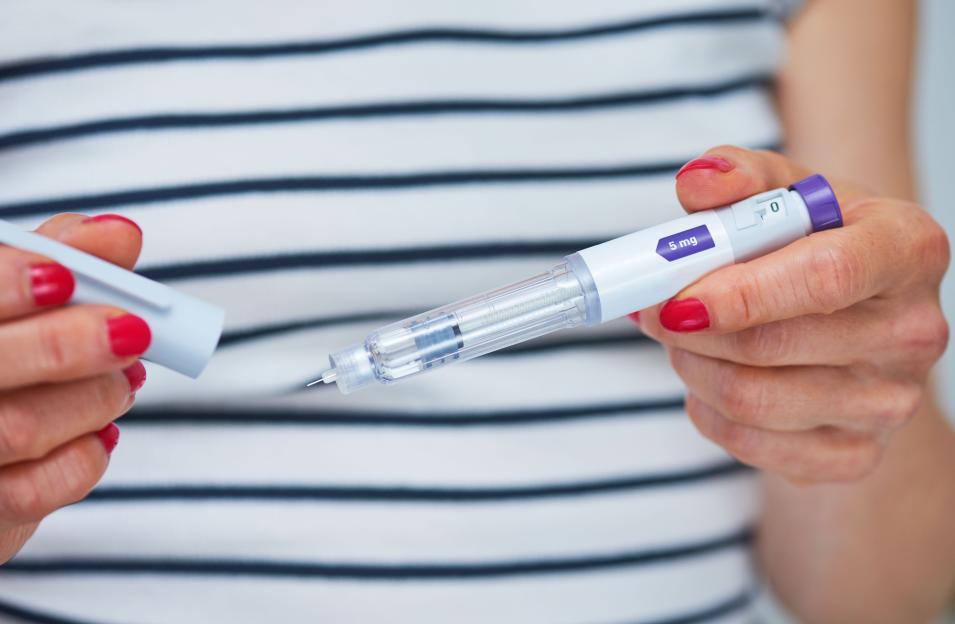 It is estimated that around 1.6 million people are using weight loss drugs in the UK Credit: Getty
 What are the side effects of weight loss jabs?
Like any medication, weight loss jabs can have side effects.
Common side effects of injections include:
Nausea: This is the most commonly reported side effect, especially when first starting the medication. It often decreases over time as your body adjusts.
Vomiting: Can occur, often in conjunction with nausea.
Diarrhea: Some people experience gastrointestinal upset.
Constipation: Some individuals may also experience constipation.
Stomach pain or discomfort: Some people may experience abdominal pain or discomfort.
Reduced appetite: This is often a desired effect for people using Ozempic for weight loss.
Indigestion: Can cause a feeling of bloating or discomfort after eating.
Serious side effects can also include:
Pancreatitis: In rare cases, weight loss jabs may increase the risk of inflammation of the pancreas, known as pancreatitis, which can cause severe stomach pain, nausea, and vomiting.
Kidney problems: There have been reports of kidney issues, including kidney failure, though this is uncommon.
Thyroid tumors: There’s a potential increased risk of thyroid cancer, although this risk is based on animal studies. It is not confirmed in humans, but people with a history of thyroid cancer should avoid Ozempic.
Vision problems: Rapid changes in blood sugar levels may affect vision, and some people have reported blurry vision when taking Ozempic.
Hypoglycemia (low blood sugar): Especially if used with other medications like sulfonylureas or insulin.
Caroline’s family, however, raised concerns that doctors too readily attributed her symptoms to side effects of the jab, and potentially, that other causes were not properly investigated.
In 2024, it was reported that the death of a Scottish nurse was thought to be the first fatality in the UK linked to a weight loss injection.
after taking two low-dose injections Mounjaro.
Commenting on The Times analysis, a Novo Nordisk spokesperson said: “At Novo Nordisk we care deeply about patient safety. Like all medicines, treatments used for chronic conditions can have side-effects, and these can vary from person to person.
“That is why medicines should be prescribed by, and used under the supervision of, a healthcare professional, who can consider the potential benefits and risks for each individual.
“We recommend that any patient experiencing side-effects while taking GLP-1 RA medicines report them to their healthcare provider and via the MHRA Yellow Card scheme.”
And an Eli Lilly spokesperson said: “Patient safety is Lilly’s top priority. We take reports regarding patient safety seriously and actively monitor, evaluate and report safety information for all our medicines.
“Regulatory agencies conduct extensive independent assessments of the benefits and risks of every new .
“Patients taking Mounjaro (tirzepatide), like with any other prescription medicine, may experience adverse events. Adverse events should be reported under the MHRA’s Yellow Card scheme.”
The drugs should only be taken when prescribed by a medical professional and patients should consult a doctor, they added.
also approached Eli Lilly and Novo Nordisk for comment.