
Middle-age disease ‘silently’ affecting one in FIVE Brits and fuelling deadly cancer – are you at risk?
LATE-stage diagnoses of deadly liver disease are surging because it develops so “silently”, concerning research suggests. Around 1.3billion people worldwide are...
 Written byEze Chidiebere Paul
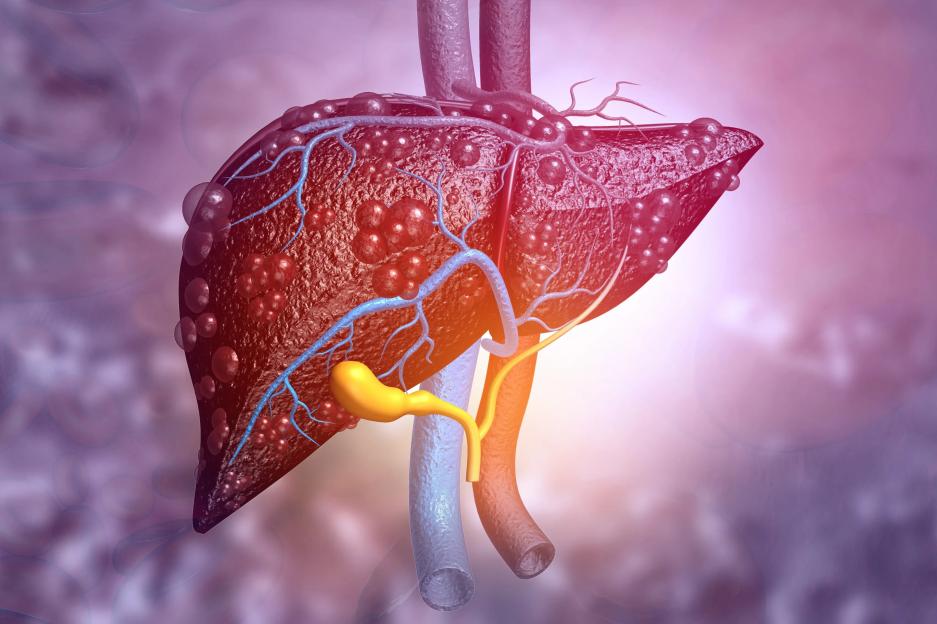
LATE-stage diagnoses of deadly liver disease are surging because it develops so “silently”, concerning research suggests.
Around 1.3billion people worldwide are currently thought to have the condition, which can leave sufferers with liver failure or even liver cancer.
Around 1.3billion people worldwide are currently thought to have MASLD Credit: Getty
Known medically as metabolic dysfunction-associated steatotic liver disease (MASLD), it is — the more commonly known cause of liver problems.
Instead, MASLD occurs when excess .
But, in some cases, MASLD progresses to a late stage known as cirrhosis – where healthy liver tissue is replaced by permanent scar tissue – causing serious complications.
Now, in a new study, US researchers have found that screening for MASLD misses up to a third of patients with the early stages of MASLD cirrhosis because of age.
This was because many commonly used liver assessment tools incorporate age, which may reduce their sensitivity in younger patients.
They also warned that cirrhosis was “frequently silent”, particularly among younger people, until they develop more serious complications.
Using data from about 2,400 adults with biopsy-confirmed MASLD, they found that approximately 25 per cent of cirrhosis cases occurred before the age of 50.
Professor Rohit Loomba, a gastroenterologist and hepatologist at the University of California and study co-author, said: “Our findings show that younger adults who develop cirrhosis from MASLD are not simply experiencing the same disease earlier.
“They appear to have a unique combination of genetic susceptibility and metabolic risk factors that accelerate progression to advanced liver disease.
“Cirrhosis is frequently silent until serious complications develop.
“These results suggest that younger adults with type 2 diabetes, or elevated genetic risk may benefit from more proactive liver assessment.”
Dr Veeral Ajmera, a gastroenterologist at the University of California San Diego and study co-author, added: “As current screening tools incorporate age, they miss almost a third of patients with early-onset MASLD cirrhosis.
What are the stages of non-alcoholic fatty liver disease?
THERE are several stages of metabolic dysfunction-associated steatotic liver disease (MASLD).
Having one stage does not mean you will definitely develop the next one.
Treating NAFLD with a healthy diet, physical activity and weight loss can slow or even reverse it, especially if it is at an earlier stage.
The amount of scarring (fibrosis) in your liver is the main sign of how advanced your NAFLD is. Go to the section about fibrosis tests and scores.
- Fatty liver: There is a build-up of fat in your liver but it has not been damaged and there is no scarring. At this point, NAFLD can be fully reversed.
- Non-alcohol related steatohepatitis (NASH) with mild fibrosis : Fat is causing inflammation and damage in your liver (hepatitis). There is no or very little scarring. Healthy living can undo the damage and reverse your NAFLD.
- NASH with moderate fibrosis: Inflammation and damage have caused some scarring. Your liver is probably still working well and the damage can mostly be repaired.
- NASH with advanced fibrosis: There is a lot of scarring. At this stage it is very important to stop further damage and scarring so your NAFLD doesn’t get worse. And it is still possible to repair some damage.
- Cirrhosis: There is so much scarring it changes the shape of your liver. Your liver can keep working and even repair some damage at this point. But if too much of it becomes scarred, your liver may not be able to carry out its job properly.
Cirrhosis can lead to life-threatening conditions including liver cancer and liver failure.
Source: The British Liver Trust
“This study helps us identify which patients are at greatest risk and need a more accurate assessment of their liver disease.”
Cirrhosis is an important risk factor for hepatocellular carcinoma, the most common form of liver cancer.
Writing in the journal Clinical Gastroenterology and Hepatology , the researchers said that identifying high-risk patients earlier may create opportunities for appropriate cancer surveillance and intervention before liver cancer develops.
It comes as concerning new figures published last month found that cases of MASLD in the UK have surged five-fold in just a decade.
MASLD is one in five people in the UK.
But, leading scientists from London and Glasgow discovered that diagnoses in the UK to 283,762 by 2022.
New diagnoses doubled from 2012 to 2022, and those diagnosed with the condition were three times as likely to have type 2 .
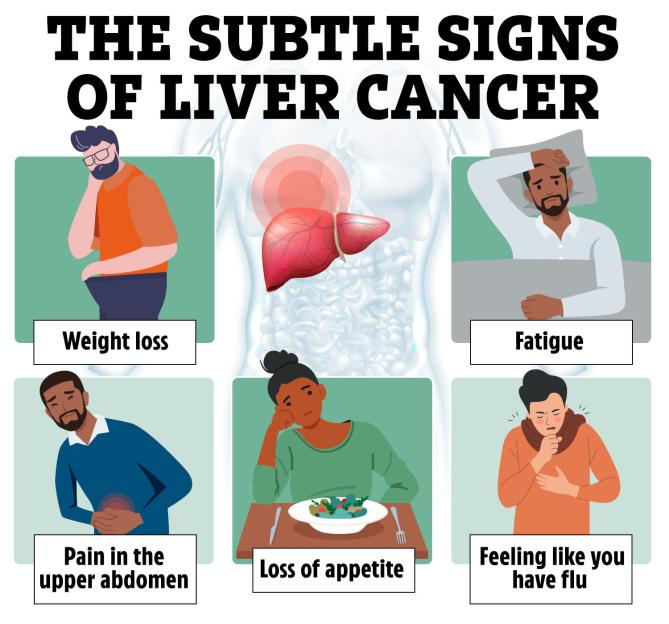
Symptoms of MASLD include feeling very tired or generally unwell, as well as pain in the abdomen.
People who are overweight or not active are more likely to develop MASLD, along with type 2 diabetics, people over 50, and people with high blood pressure.
In most cases, MASLD is only spotted during routine blood tests or liver function tests carried out for unrelated issues.
When liver function starts to decline, though, patients can accumulate fluid in the abdomen, develop jaundice or experience confusion caused by a build-up of toxins in the bloodstream.
Continue reading

UK’s biggest toy chain is hit by asbestos recall alert as wooden games are pulled from shelves
THE UK’s biggest toy chain has pulled a wooden game from shelves over fears it contains asbestos. Shoppers have been urged to stop using the product immediately...
My wife took herbal gummies for sleep & stress to ‘feel relaxed’ – now she’s brain damaged after almost dying 3 times
A HEARTBROKEN husband has told how his “fit and healthy” wife has been left brain-damaged after taking a £5 herbal supplement popular with women in menopause....

Full list of all 243 NHS medicines in shortest supply as drugs crisis deepens – is yours on the list?
BRITS are continuing to face severe shortages of NHS medicines as supply issues remain. Drug shortages reached a record high earlier this year with pharmacies...

I had no idea an OTC COLD REMEDY could leave me in the grips of horror 10-year addiction… don’t make my, common, mistake
WHEN Louise Gough went into a chemist to find medicine for a cold at the age of 18, she didn’t imagine she’d still be using it ten years later. The 30-year-old...