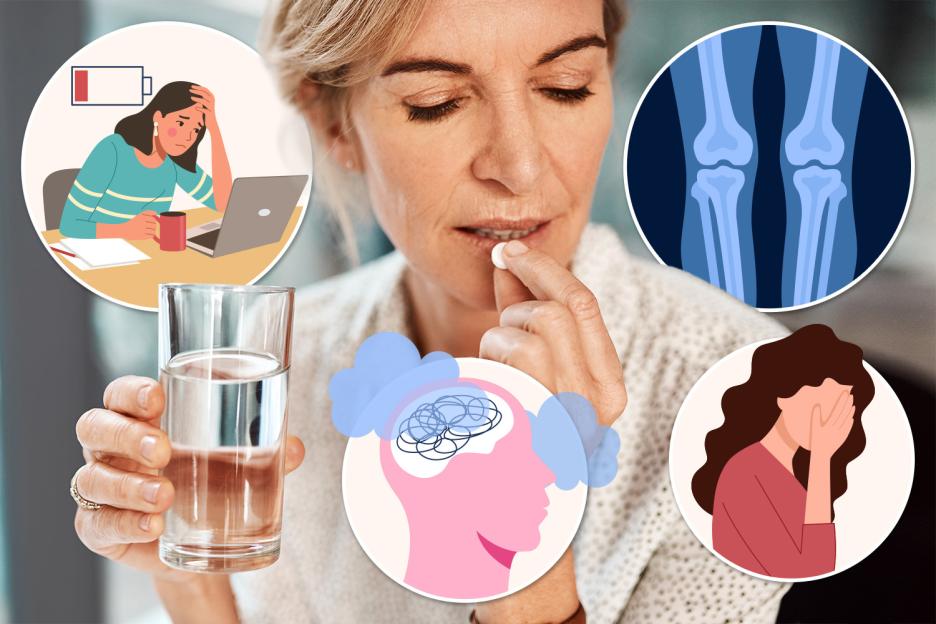
WITH 48 recognised symptoms, ranging from hot flushes to sore joints, it’s no wonder women in menopause are seeking relief – and there are certainly an abundance of ‘cures’ to pick from.
Before you empty your wallet on the promise of a quick fix, it’s vital to separate what’s real from what’s clever marketing in a wellness landscape that’s profiting from confusion.
 There are five supplements you need in menopause, while some ‘vague cures’ are a complete waste of money Credit: Getty
 Before you empty your wallet on the promise of a quick fix, it’s vital to separate what’s real from what’s clever marketing Credit: Getty
According to Clearpay, 76 per cent of those experiencing perimenopause and are spending £147 on supplements each year.
It’s obvious they are desperately seeking to rid themselves of symptoms, which are caused by plummeting oestrogen levels.
This process starts at – between the ages of 45 and 55, on average – and it impacts almost every system in the body.
Once periods have stopped for a year, a woman is in ; though the symptoms don’t simply dissapear and can continue into a ripe old age.
HRT is the main treatment for menopause symptoms, but lifestyle changes are considered as important as .
Supplements can feel like a bridge between the two.
“The clue’s in the name: supplements are there to supplement, so you still need to be eating a healthy diet, exercising, sleeping and minimising stress,” says Rob Hobson, nutritionist and consultant at Healthspan .
UK regulations strictly ban unlicensed products from claiming they ”treat” menopause, so brands rely on vague buzzwords and phrases like ”midlife support”.
“This language often drifts into implying a supplement can ‘balance hormones’ or ‘stop ,’” warns Rob.
Here, experts reveal the select few vitamins, minerals and compounds that are truly worth your – and exactly what they can do for your body.
FOR BONES
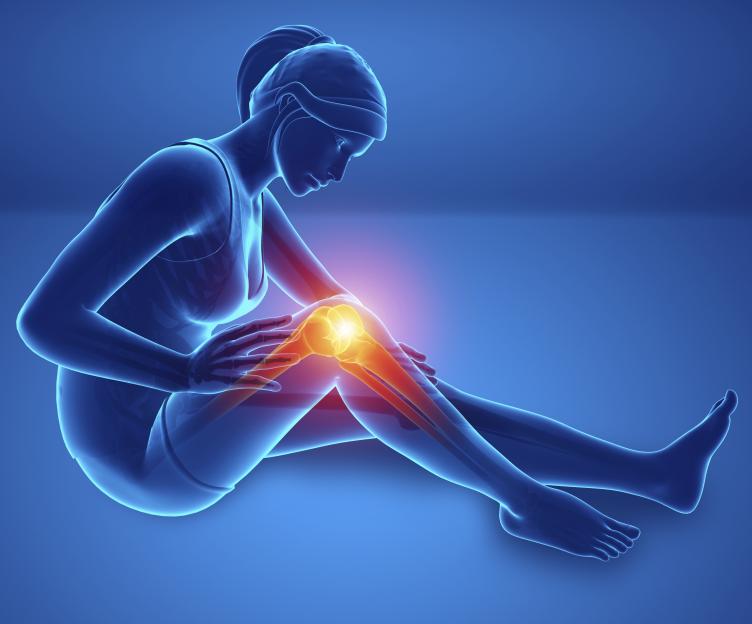 Mineral magnesium is important for bone health – especially during menopause Credit: Getty
The mineral magnesium plays a role in more than 300 processes within your body, many of which may need a helping hand in your 40s and beyond.
“Up to 60% of your body’s magnesium is stored in your skeleton, making it important for bone , especially during menopause, when declining oestrogen can weaken bones,” explains Mark Gilbert, nutritionist for The 1:1 Diet by Cambridge Weight Plan.
Almost one in three post-menopausal women over 50 may experience bone fractures due to lower bone density.*
“A lot of people find magnesium can also improve when taken before bedtime,” adds Mark.
“It’s known as ‘nature’s tranquilliser’, helping to calm the nervous system.”
TRY: Magnesium bisglycinate can aid sleep. “It’s easily absorbed and gentle on the stomach,” says Mark.
“Too much can cause diarrhoea, though,” says Mark.
“So, start around the 250mg mark, and if you’re not getting cramps and your sleep is really poor, you can take more if needed.”
FOR ENERGY
 Vitamin B12 absorption often declines with age due to lower stomach acid production Credit: Getty
Of the eight B vitamins, several can offer support during midlife.
“B12, folate, riboflavin and niacin support normal metabolism and nervous system function, so they may help women experiencing tiredness or brain fog,” says Rob.
One study of 100 post-menopausal women found 18 per cent were living with a**
“Vitamin B12 absorption often declines with age due to lower stomach acid production,” adds Rob.
“Deficiency risk is also higher in vegetarians, vegans and people taking certain medications.”
TRY: A B-vitamin complex can tick off several vitamins in one go.
“In terms of B12, go for cyanocobalamin, which is often the more evidence-based and stable form,” says Rob.
Many foods contain types of B vitamins, but generally a well-rounded diet includes meat, fish, eggs, dairy products, fortified breakfast cereals, whole grains, and leafy greens.
FOR BRAIN FOG
 Creatine has been shown to decrease your brain fog Credit: Getty
CREATINE, a naturally occurring compound produced by your body, is becoming the go-to for midlife women.
“Creatine has been shown to help decrease brain fog and improve memory,” says Mark.
It’s more commonly known to boost muscle strength and exercise performance.
“This is beneficial for women in menopause, when muscle mass declines – meaning a slower metabolism, weaker joints and more risk of injury.
“It increases muscle size quickly, but not to the extent someone is going to suddenly look bulky,” says Mark.
TRY: “Creatine monohydrate is the best source – take around 5g a day, consistently,” says Mark.
FOR LOW MOOD
 Take a supplement with high levels of EPA and DHA to help with low moods Credit: Getty
IF you aren’t regularly tucking into omega-3-packed oily fish, such as salmon, mackerel, or sardines – an omega-3 supplement should be a daily go-to.
The omega-3 fatty acids EPA and DHA have the biggest benefits.
Supplementing these daily led to significantly lower scores within 12 weeks, in a small study involving 60 adults with major depressive disorder.***
“As anti-inflammatories, omega-3s can support women, particularly menopausal women, when excess inflammation can cause a variety of unwanted symptoms,” says Mark.
“Oestrogen normally keeps inflammation in check, so when levels fall during menopause, inflammatory processes can become more active.”
TRY: “Take a supplement with high levels of EPA and DHA, roughly about a 3:2 ratio of the two,” says Mark.
For vegans, algae-derived EPA/DHA supplements are the best choice.
BACK TO BASICS
THESE lifestyle hacks cost next to nothing and give a steady foundation for easing menopause symptoms.
EAT SMART: Cut down on processed foods. “Include a natural source of protein with each meal, such as eggs, fish, meat, soy or legumes, alongside plenty of colourful vegetables,” says Rob.
“Healthy fats – think olive oil, nuts, seeds and oily fish, such as sardines or anchovies – are associated with benefits for heart, brain and joint health.”
FIBRE FIRST: “Higher fibre intake is linked to a healthier heart, better gut health and cholesterol levels, and steadier blood sugar levels,” says Rob.
“Fibre also helps to keep us full, supporting weight management.” Among the best sources are chia seeds, lentils, almonds, oats, avocados, berries and broccoli.
SIP SAGE: Drinking fresh sage tea is known to help ease hot flushes. Medical journal Advances In Therapy reported it helped reduce this symptom in menopausal women over eight weeks.
WEIGHT IT UP: Buy a set of dumbbells to start your weight-training journey.
Muscle revs up your metabolism to burn more calories.
“Strength train using dumbbells, resistance bands or other weights, two to three times a week,” suggests Rob.
“It helps maintain muscle mass, bone health, mobility and joint function as we get older.”
AND BREATHE. . . Chronic stress makes menopause symptoms feel worse.
Rob says: “Prioritise habits that regulate your nervous system, such as getting out in daylight, regular movement, good sleep habits and creating small moments of recovery throughout the day.”