KEIR STARMER has thrown in the towel after weeks of political backstabbing, announcing he is quitting Number 10.
In , Sir Keir admitted his time is up, and that he accepts the decision to go “with good grace.”
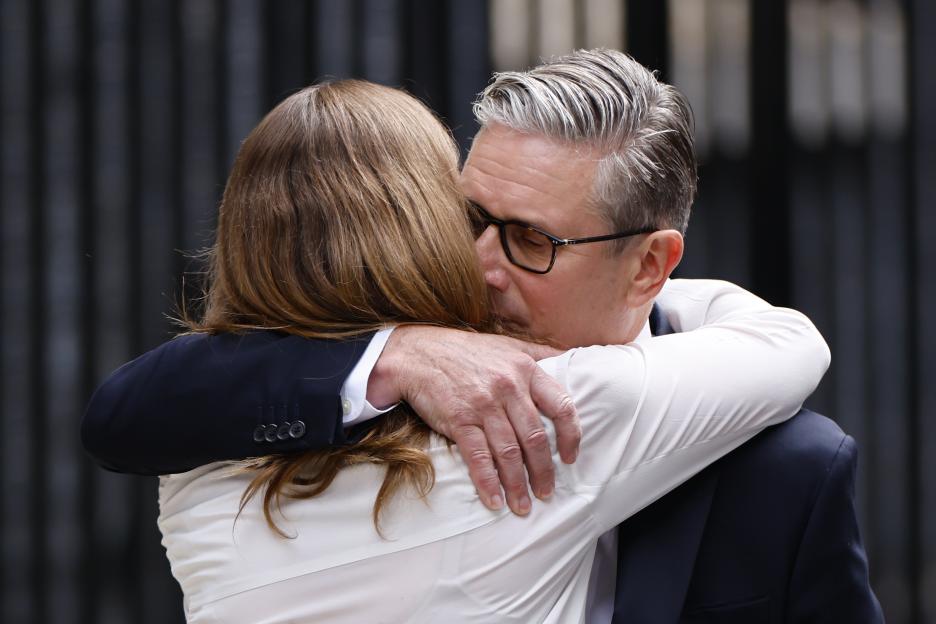 Prime Minister Keir Starmer embraces his wife Victoria after making a statement in Downing Street Credit: EPA
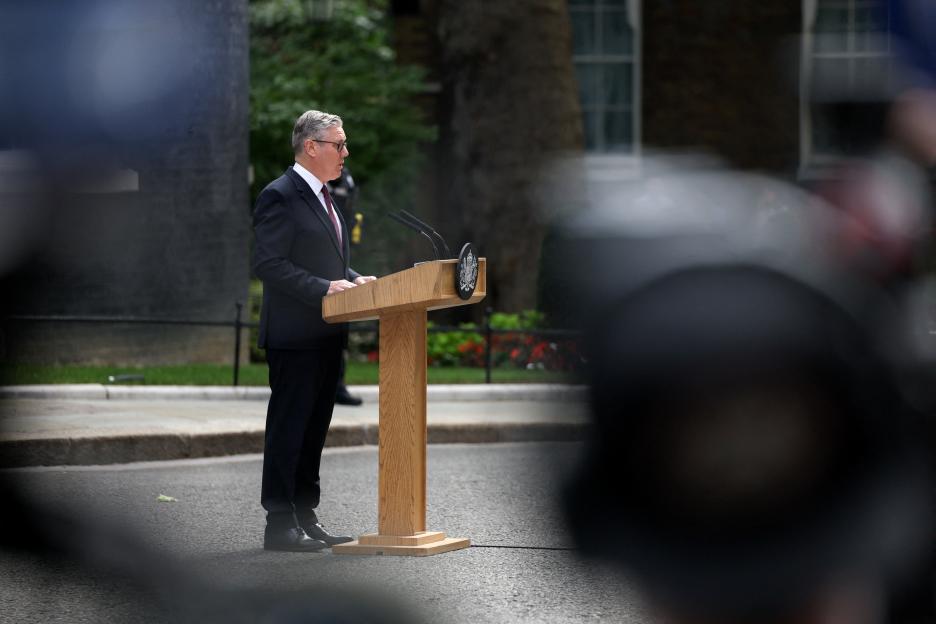 Starmer speaks as he announces the timeline for his resignation outside 10 Downing Street Credit: Reuters
He revealed he had spoken to His Majesty the King this morning (June 22) to discuss the news.
Starmer told the nation: “Every decision I’ve taken has been about putting the country I love first. That is why I will resign as leader of the .”
But what happens next? Will there be a leadership contest, or will ‘King of the North’ make a frictionless run to the top spot?
What is Keir Starmer’s proposed timeline for handing over power?
Sir Keir has asked Labour’s National Executive Committee (NEC) to draw up a lightning-fast timetable to find his successor.
These are the critical dates we know so far:
- July 9: Official nominations open for the role of Labour Party leader.
- July 16: The Commons summer recess begins. If there is only one candidate put forward a new PM could be crowned before this summer break.
- End of August: But if a battle breaks out between multiple hopefuls, the final vote will be wrapped up by late August.
- September 1: Parliament returns from recess with a brand-new PM at the dispatch box.
Sir Keir confirmed he won’t be packing his bags immediately.
He said: “I will remain in post as prime minister until the contest is complete, and I will do everything I can to ensure an orderly handover of power.”
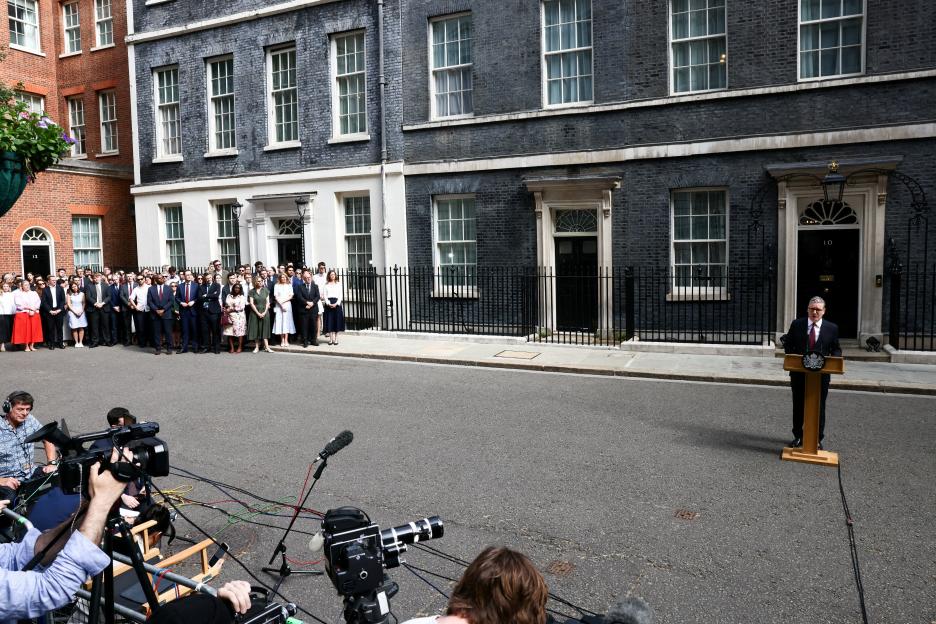 Starmer announces the timeline for his resignation, following Andy Burnham’s decisive victory last week in the Makerfield by-election Credit: Reuters
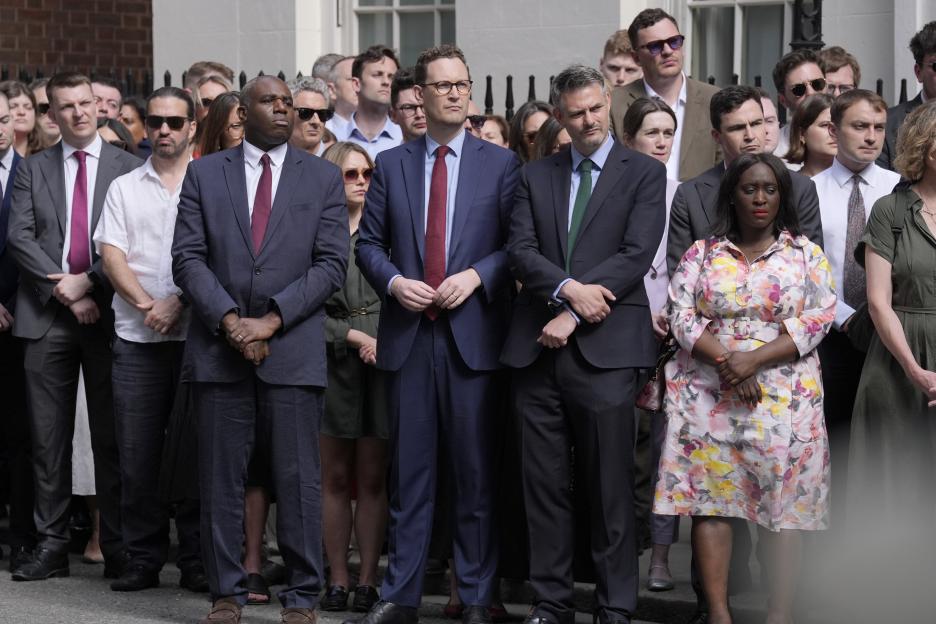 Deputy Prime Minister David Lammy (front row left) and Chief Secretary to the Prime Minister Darren Jones (front row second left) as Prime Minister Sir Keir Starmer makes a speech in Downing Street Credit: PA
Will there be a full leadership contest?
That’s the multi-million-pound question currently gripping Westminster.
If Burnham runs solo and goes unopposed, which insiders say is looking increasingly likely, he will completely bypass what could be a messy leadership race.
In that scenario, Burnham could be walking through the front door of Number 10 by Friday, July 17.
And with former Health Secretary – who was thought to be considering a leadership challenge of his own – confirming he won’t be running, Burnham’s path could be simple.
But if another rebel launches a challenge, the timeline shifts. A full-blown leadership contest would stretch across summer, meaning the new PM would not be in post until the end of August.
Why has Andy Burnham’s Westminster return triggered the PM’s exit?
Starmer’s personal polling numbers have plummeted in recent months following unpopular policy choices, and .
Panicked Labour MPs, terrified of losing their seats at the next , have looked to more heavy hitting names to replace the PM.
And , beating and seizing a route back to the Commons, is very much the catalyst for Starmer’s resignation.
By winning the seat, Burnham officially became an MP again.
The moment he is sworn into the , he is legally eligible to challenge for the leadership.
Starmer said: “The question my party is asking now is whether I am best placed to lead us into the next general election.
“I have heard the answer of my parliamentary party to that question, and I accept that answer with good grace.”
Burnham’s Westminster return gives MPs the alternative leader they craved.