IS Donald Trump mad?
After 96 hours of air war and bellicose diplomacy ended in a two-week ceasefire with , the many critics are once again venting that theory.
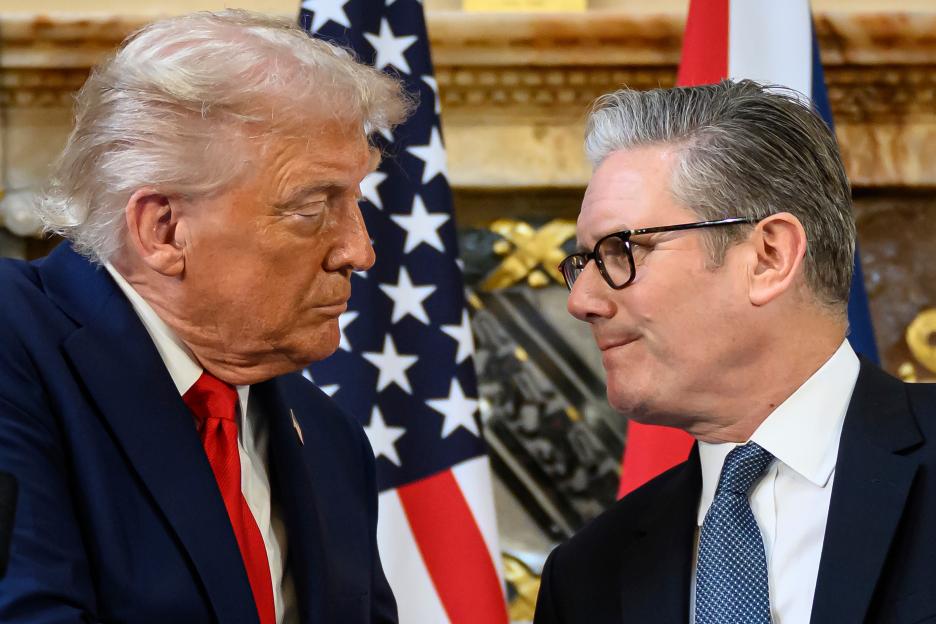 The US/UK ‘special relationship’ needs rebuildingCredit: AP
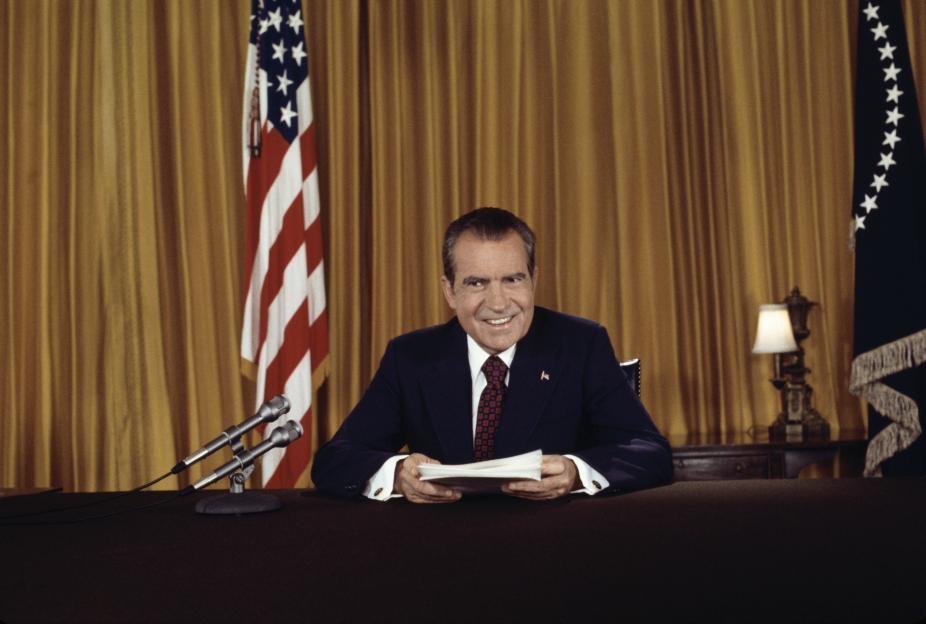 Author James D. Boys compares President Trump’s seemingly irrational approach to foreign policy to that of Cold War warrior Richard NixonCredit: Getty – Contributor
Five weeks of brutal aerial bombardment has concluded with a tentative two-week pause, only agreed after bloodcurdling threats from the presidential thumb to
The told the US public this war would last four to six weeks, so they will be hoping that peace holds.
But even some of the President’s biggest defenders and supporters of his war in Iran are uneasy about how the past few days of mouthy brinkmanship have played out.
Trump has predictably declared “total victory,” but as ever the truth is a little more complicated.
While the and the President’s enemies howl at the moon about using the 25th Amendment to force Trump from office on grounds of insanity, wiser hands suspect their foe has slipped through the net once again.
There is a book out this month called US Grand Strategy And The Madman Theory, and it could not be more timely.
In it, author James D. Boys compares President Trump’s seemingly irrational approach to foreign policy to that of warrior , who wanted Moscow to think he was just crazy enough to use the bomb.
After ten years of Trump dominating , we should all now be well versed in his unique style on the world stage.
From to , to and now Iran, there is a pattern of behaviour.
One moment he is conciliatory, the next often chillingly contradictory, and almost always unpredictable.
We know Trump appears to thrive in chaos.
And his enemies at both home and abroad seem to fall for it.
He relishes keeping allies and adversaries alike off-balance, wrong-footed, guessing what comes next; be it a verbal diatribe on his Truth Social site, a lightning drone strike or even kidnapping a world leader.
Rinse and repeat: Harsh language, cries of insanity, some form of action and, ultimately, a climbdown across the board.
Boys argues that is Madman Theory in practice: the deliberate strategy of calculated irrationality that the US tried to use against the to varying degrees of success.
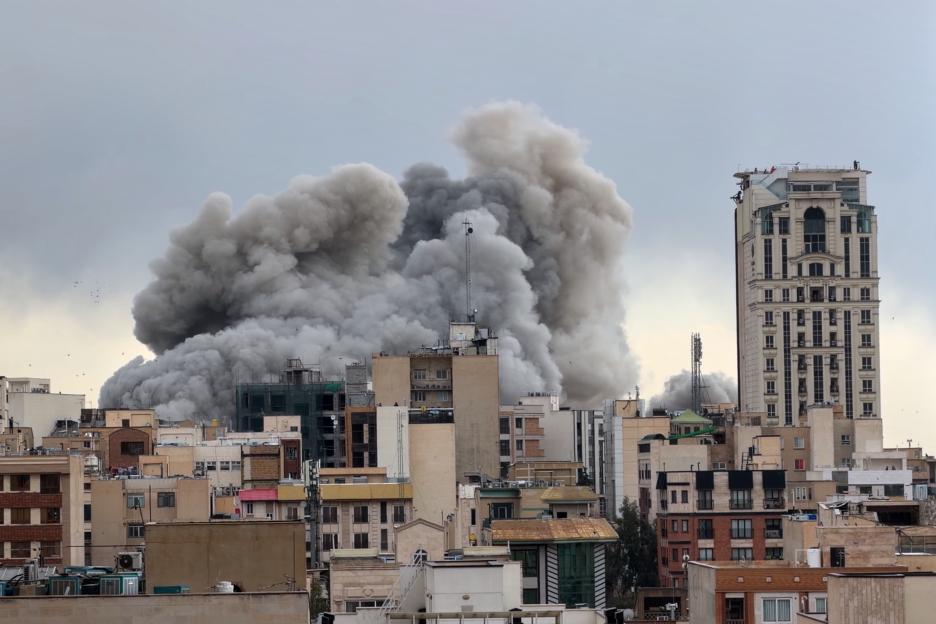 Five weeks of brutal aerial bombardment has concluded with a tentative two-week pauseCredit: AP
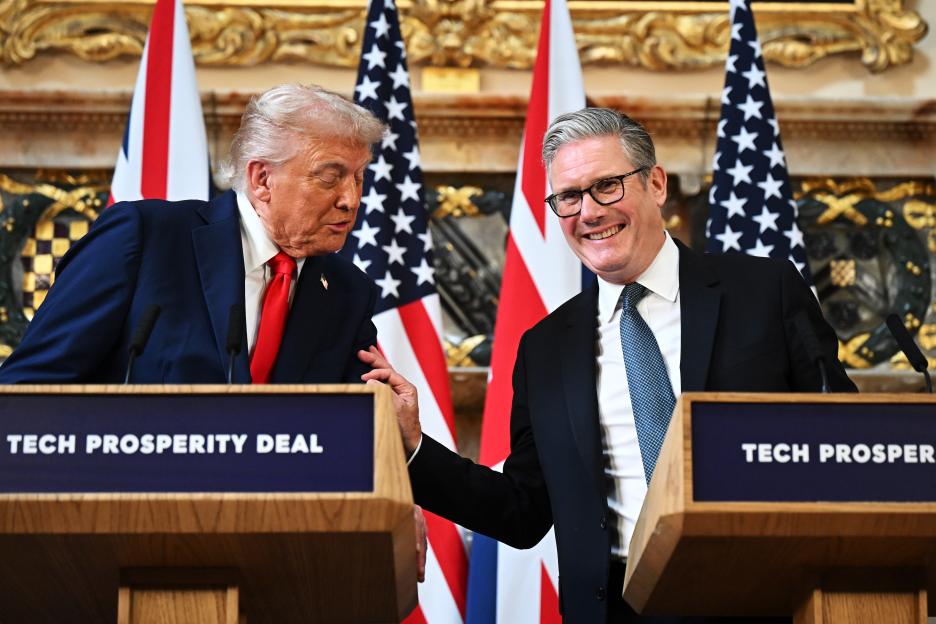 Last month, Trump bombarded Starmer with attacks, claiming the PM ‘was no Churchill’Credit: Getty
He told me: “What you’ve seen with Donald Trump is someone who is prepared to act where many people in the past have just talked, and that puts the fear of God into many people.
“And that is exactly the idea that Trump wishes to convey. A sense of irrationality. You never know what’s next.”
The problem Richard Nixon had in the 1970s, however, was that no one actually believed he was mental, leaving a rather massive hole in the strategy.
The same clearly cannot be said of the current occupant of the Oval Office.
And it still drives the pundit class here in the US around the bend.
After spending Easter weekend spreading fake news rumours that the President was in hospital, they swiftly moved to declare he had committed war crimes by threatening Iran, only to declare him a coward who had chickened out when he did not go through with his threat to “end a civilisation”.
Yet it seems it gave the Mad Mullahs pause for thought, too.
Lo and behold, with just an hour or so until Tuesday night’s deadline for pulverisation, the
With the , it is not entirely clear who is in charge of Iran right now, but clearly someone decided they didn’t fancy going the same way as the other fanatics.
And despite a massive military build-up in the region, in reality American public opinion was clearly against a further escalation in the war, this time with boots on the ground.
As US petrol prices creep up across the country — having been at a historic low earlier this year — domestic pressure for an off-ramp in the conflict clearly played a major part in the uneasy peace.
Mad man or Madman Theory, drivers across America and Europe will be hoping this week’s painful heights at the pump, which have not been seen since the , will be the peak.
While forcing Trump from office early remains a fantasy, punishment at the ballot box at this November’s midterms still seems highly likely.
So where are we now and what price is this peace?
Trump says, with little evidence, that Iran will give up its uranium supplies while Tehran’s National Security Council says that continued nuclear production is a key red line to reopening the
 US Grand Strategy And The Madman Theory author James D. BoysCredit: Supplied
If this war was about stopping Iran from getting the bomb, that seems like quite the gap to close.
Iran is also demanding transit fees — bribes, frankly — that could yet keep the price of oil high and were distinctly NOT a thing before the war started.
True to form Trump has suggested this global shakedown could be done as a joint US/Iranian venture going forward, but that’s a far cry from “total victory”.
Things in the Strait are worse now than when the war started.
And the only thing smouldering as much as downtown Tehran right now is the Western alliance.
Once again Trump is questioning Nato’s future after his demands for back-up were shunned, and he is not the only one on the American Right openly debating the alliance’s future.
Smarting from threats to Greenland, Britain was far from alone in Europe in saying non, nein and no to this war.
But the damage to our historic — some say special — relationship has left deep wounds in the American military and security world that go far beyond just the White House.
Britain and America have been in lockstep for so long, there appears to be genuine hurt that this particular enduring alliance has been shattered.
As the dust slowly settles, it is not just bombed-out bridges in Iran that will need rebuilding.