AFTER finally securing his match on a dating app, a young man attempts to craft the ‘perfect’ message to show he’s an alpha male, a provider, and the best sex she’ll ever have.
He types out a message saying “I know women find it hard to make a decision, but you should hook up with me tonight for great sex”, but before it sends, AI flags it as potentially inappropriate and he gets a message from the app, saying: “Are you sure you want to send? Think twice – your match may find this language disrespectful.”

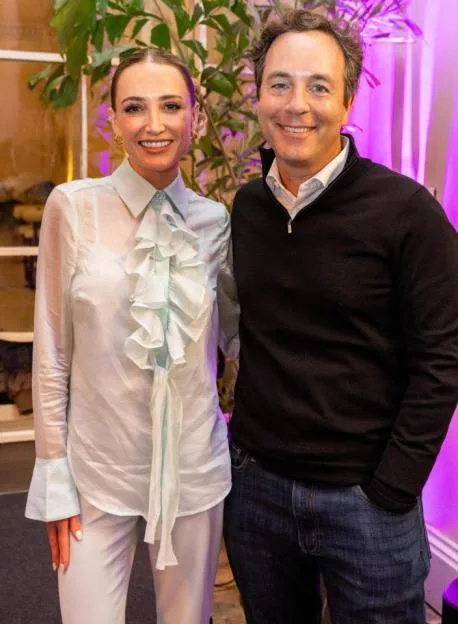
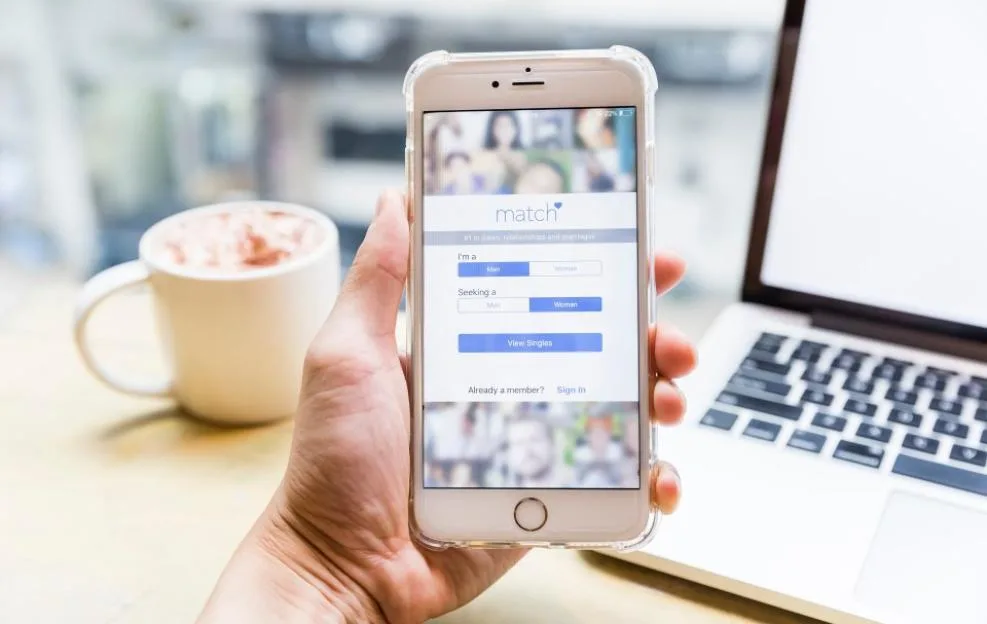
It’s the first time the young man has been confronted with the idea that his ‘manosphere’ rhetoric – typically used to promote aggressive masculinity and anti-feminist messages – might cause upset.
He deletes the inflammatory and types out “Hi, how are you? What’s your ideal date?”
The AI is trained to pick up words and phrases that are known to be offensive, and as of March 2026 it now recognises harmful tones of messages. It also has a “does this bother you” counterpart which asks the recipient of a dodgy message how they are doing.
And this is exactly how Georgia Harrison, 31, wants all to work – putting the safety of women and girls first while challenging the impact of toxic online views.
Data from Match Group shows that more than 700 million harmful messages haven’t been sent since 2021 after receiving the prompt, and one in five users rewrite their message after getting an are you sure message.
“It’s so powerful,” she tells The Sun.
“The app is subconsciously questioning them on some things they are saying which are misogynistic.
“This might be one of the first times that a lot of these young men have actually been questioned on the wording that they’re using.
“It’s not only preventing the young woman from receiving a message that could offend her.
“It’s making them question how they speak to women and what is the best way to speak to women and how they want to be spoken to and treated.
“I’ve been told by Match Group a significant number of people rewrote their messages after seeing the prompts. So they actually deleted that and changed the way they speak.
“And that could change the way that they view the way that they use their terminology in their entire future.
“I think that’s a really powerful tool and something that really stood out for me as a campaigner for women.”
Former star Georgia has vowed to take on the manosphere with the Foundation, which will aim to tackle the toxic online culture that the younger generation is growing up with.
Match Group’s Spark Report, a survey of adults dating online, found that a third of Brits didn’t meet anyone new in person in the last month and spend 4.7 hours each week doing their socialising through a screen, her mission is more important than ever.
Georgia, who gained widespread fame on Love Island, is asking social media to take more responsibility for the content posted on their apps – just like Match Group is.
The company, which also runs , Match, among others, has brought in verification requirements for all users to increase trust.
As of this year, the verification process requires users to take a video selfie to show that they’re a real person, not a deepfake or borrowing someone’s pictures.
Then, the app uses facial geometry to confirm that your photos match the video you have submitted. Two screenshots from the initial video are held on file to ensure future photos are of the person who made the account. They are deleted once the account is closed.
Their recent Spark study of 3,007 single adults found that the majority of people meet their romantic partner online.
It also found 69 per cent of singles would feel more confident meeting up with matches if they have a verified profile.
When sites and apps first launched, there were limited ways to verify who you were talking to, until you met in person.
Something scam artists and serial predators happily took advantage of.
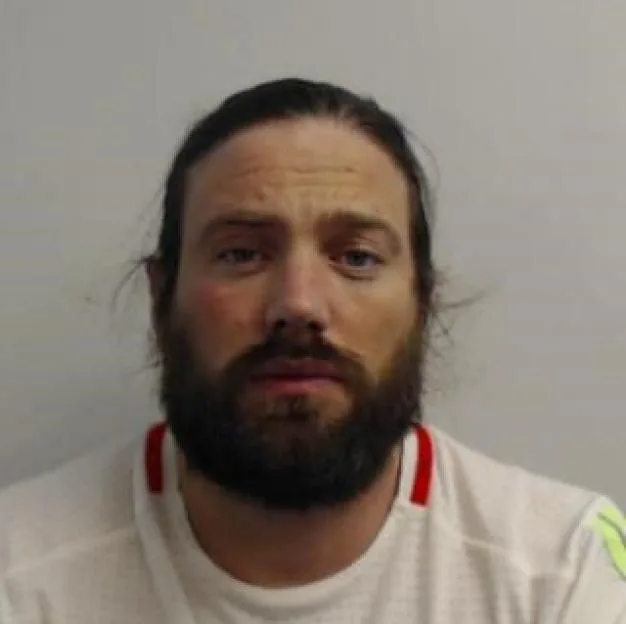
Scot Christopher Harkins found multiple victims to defraud and in some cases abuse on and other dating apps, even at one point changing his name.
Scam alerts are now live across the Match Group platform and prompts will pop up when a conversation shows signs of a scam such as asking for money, or a push to swap contact details off the platform.
He was convicted and sentenced to 12 years in jail in July 2024 for defrauding his victims of more than £214,000, as well as charges including rape, assault, and physical abuse.
Known as , Simon Leviev also used Tinder to and is alleged to have defrauded singletons out of an estimated £7.4million. He is banned from all Match Group platforms.

Match Group CEO Spencer Rascoff said: “It’s incumbent upon us to apply technology and resources to make our apps as safe as possible.
“We’ve done that through photo verification to confirm users are a real human and you match your photos.
“We also share ‘bad actor bans’ between our apps. This means someone who is a scammer, a fake profile, an organised group or someone who caused harm to someone on or off platform using Tinder will be banned on Hinge and Match.com and vice versa.
“My daughter uses our apps, so have my brother and sister. It’s a family affair. Keeping users safe is so important.”
Bad actors are people that can be flagged by AI or users to Match Group who will then investigate, and if required create the ban of a certain person across the portfolio of dating apps.
Alongside facial recognition, users can report people for on-platform harm, such as abusive or aggressive messages, as well as off-platform harm including behaviour on dates or when messaging outside the dating app.
Spencer added: “If I could wave a magic wand and change one thing to improve society and our business results, it would be to make men behave better. That’s what we’re hoping to do with the Are You Sure? feature.”
He also told The Sun his team works closely with enforcement across the globe when there are reports of dangerous behaviour.
Georgia said: “Younger people find it really hard to meet people the way we used to.
“But dating apps shouldn’t feel like they could be dangerous. If anything it should be safer.
“Women should feel safe knowing that whoever they’re messaging isn’t a . That they’re not going to be a victim of sextortion because this person is verified that they are who they say they are to be on the platform.
“I’ve had messages on of people who have become victims of financial fraud and sextortion after meeting someone online.”
Dating by numbers
Match Group surveyed British daters to find out more about how they date. Here are the key takeaways from The Spark Report.
- 49 per cent of Gen Z are looking for a life partner or a long-term relationship.
- 34 per cent of Gen X are looking for a life partner or a long term relationship.
- 43 per cent would build their ideal first date around a coffee.
- 68 per cent think the dating apps that succeed in the future will be the ones with the best safety features.
- 77 per cent of dating app users have dated or been in a relationship with someone they met on an app.
- 47 per cent agree it has never been harder to really connect with people, both online and in person.
- 52 per cent neither asked anyone out in person in the past year, nor were asked out themselves.
- Four per cent of Gen Z met their most recent partner in a pub, bar or club.
- £104 is the average cost singles say a date costs them, including clothes, grooming and travel as well as the date itself.
- Three is the average number of safety precautions a woman takes before a first date from an app. They tend to be telling someone of the plan, meeting in public and sharing a live location
“This can be avoided with something as simple as verification. Dating is meant to be fun, not something that you’re scared or worried about.”
Georgia met her partner Jack on a dating app back in 2024, and the couple now share daughter Sahara.
He’s been by her side during her campaigning journey against intimate image abuse initiated by her own experience.
In 2023, Georgia’s ex-boyfriend was sentenced to 21 months and handed a five-year restraining order after sharing sexually explicit photos without her consent.
Then in August this year, he was jailed again for 16 months after repeatedly breaching the restraining order by harassing and posting about Georgia on social media.
Back in 2023 Georgia struggled to get the video taken down from and other sites, leaving her determined to get change for future victims of intimate image abuse.
And while she’s got a long way to go, she’s hoping big companies will take their cue from Match Group.
“Over my experience campaigning for the last five years, I’ve just felt like so many tech platforms are more concerned about their traffic and their numbers rather than their actual users,” she said.
Match Group say they have stood firm on safety measures despite the company seeing a drop in user numbers since introducing photo verification.
Georgia said of the company: “I really hope that a lot of other tech platforms take the same approach and make sure that their users are more important by far than just a spreadsheet.”