ANDY BURNHAM says he wants to “pull every single lever” to bring down the cost of living.
He’s off on a , in what No10 calls “listening mode”, asking ordinary people how can make their lives easier.
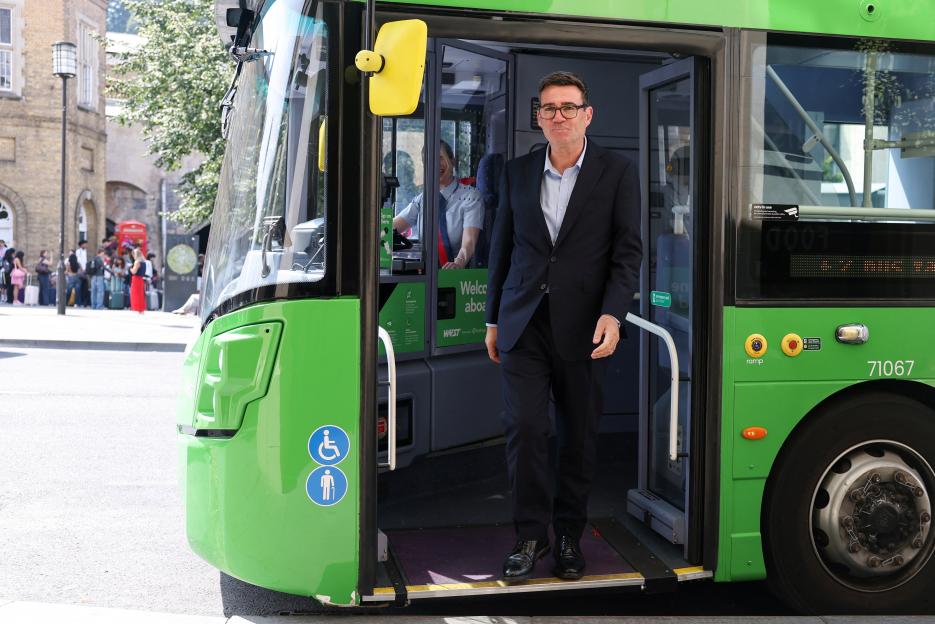 PM Andy Burnham on a bus to promote the fare cap last month Credit: Getty
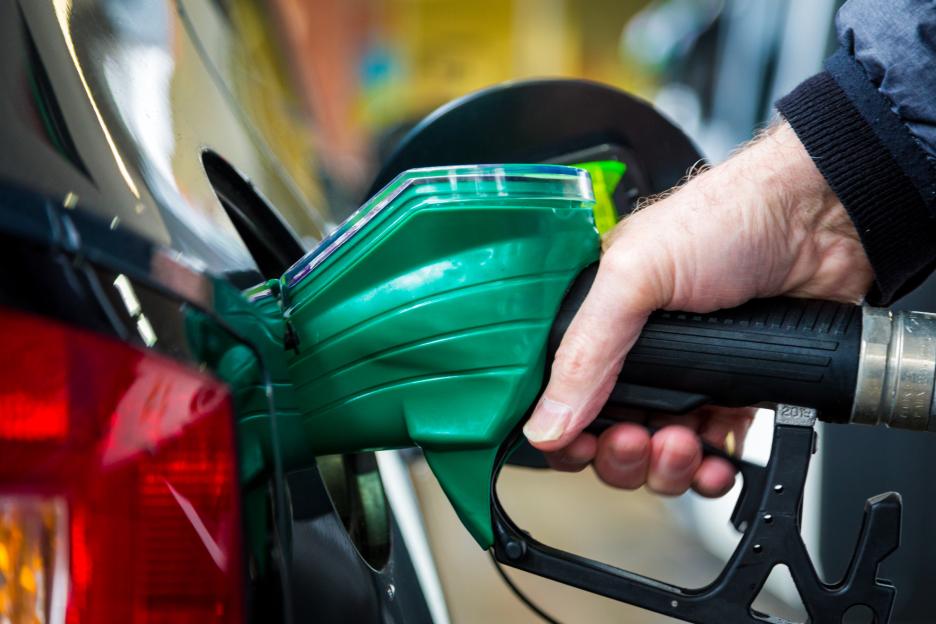 Fuel prices have soared but Labour have just sat back and raked in the big bucks Credit: Getty
It’s a nice image — , freshly back from holiday, rolling up his sleeves and heading out to the regions to hear from the public before he’s even properly unpacked his boxes in .
I’d love to believe it. I really would.
But if these last few months have taught us anything, it’s that the political elite still seem completely disconnected from how the real world operates outside the M25 and the M60.
The latest figures from , released last week, tell their own story.
has climbed to around 161p a litre.
has surged to roughly 181p.
Filling a standard 55-litre family diesel car has breached the £100 mark once again.
Since the flared up, UK drivers have been forced to find an extra £5.5billion just to keep their tanks full for work.
Around 70 per cent of that has landed on diesel drivers — the tradespeople, the hauliers, the people who actually keep this country moving.
And what has the Government done about it?
It has sat back and let the Treasury quietly pocket close to £1billion in extra VAT.
As pump prices rise, so does the taxman’s take.
Ministers are, in effect, making money from the very crisis that is squeezing working families and pushing up the cost of everything else.
So while talks about pulling every lever, the lever he really should be reaching for is the one sitting right in front of him at the pumps.
In his first week in the job, he announced a cut to VAT on household and a £2 cap on bus fares, both presented as “everyday fixes”.
Fine as far as they go — but they don’t go very far at all for the millions of people whose working lives simply cannot be organised around a bus timetable.
Like so many metropolitan leaders before him, Burnham seems to have a shaky grasp of how towns, villages and rural counties actually function.
For millions of people, driving isn’t a lifestyle choice.
It’s how they earn their living.
A nurse doing a 2am shift at a regional hospital doesn’t benefit from a bus fare freeze.
A care worker doing her rounds between elderly patients can’t plan her day around a patchy rural timetable.
A plumber, an electrician, a carpenter — none of them can lug their tools on to the number 42.
Farmers and hauliers, who keep the supermarket shelves stocked, certainly can’t move Britain’s goods by public transport.
These are the people generating the tax revenue that keeps the country running, and yet they’re the ones being squeezed hardest to pay for it.
Even if you wanted to swap the car for the bus, good luck.
One in five buses fails to run on time.
Average bus speeds in major cities have dropped by 23 per cent since 2010.
In London, the average bus now crawls along at 8.6mph during peak hours — slower than 50 years ago.
 In Burnham’s first week in the job, he announced a cut to VAT on household energy bills
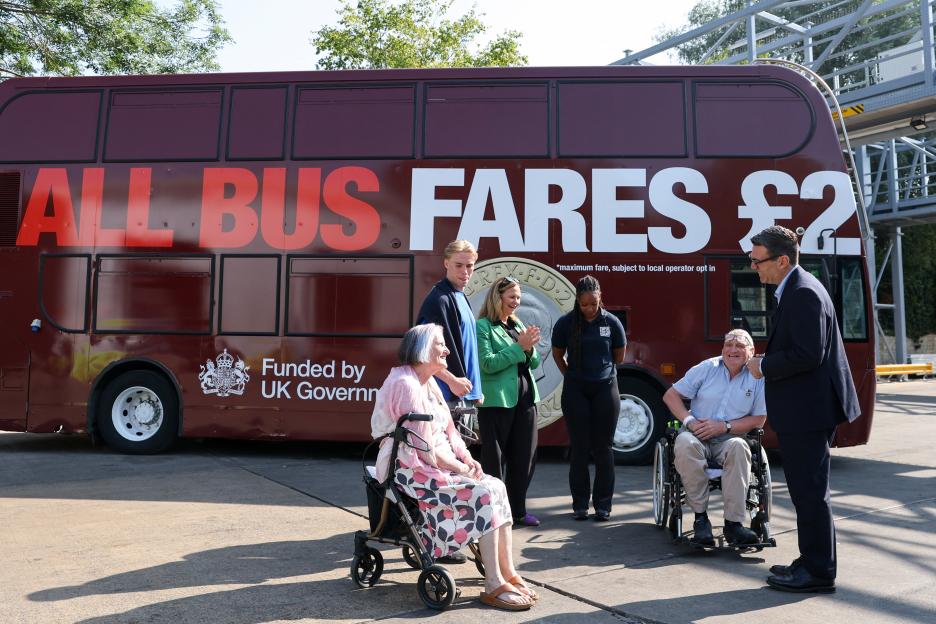 The PM also announced a £2 cap on bus fares, presented as an ‘everyday fix’ Credit: PA
In Manchester and Birmingham, congested routes barely outpace a brisk walk.
Meanwhile, 15 per cent of the entire bus network outside London has vanished since the pandemic.
At the same time, Burnham is happy to take credit for a rail fare freeze that his predecessors actually announced, even as a season ticket from Crawley to London Bridge still costs £4,856 a year — around a fifth of a minimum-wage worker’s salary.
Bus caps and rail freezes make for tidy photo opportunities.
They give increasingly image-conscious politicians something shiny to stand next to.
But they mean very little to people whose jobs cannot be squeezed into a timetable dreamt up in a city-centre office.
Those people need help at the pumps, and they need it now.
The existing 5p fuel-duty cut, still in place thanks to , predates this latest crisis and simply isn’t enough on its own.
Cutting VAT on household energy bills is welcome, but it won’t take a single penny off the cost of filling a van.
Other countries have already worked this out. Italy cut diesel taxes by 15p a litre.
targeted reductions of up to 13p for hauliers and professional drivers.
slashed excise duty by 27p on diesel and 23p on petrol.
Even further afield, Thailand, the UAE, South Korea and Australia have all stepped in with targeted relief.
Britain, by contrast, has simply let the Treasury enjoy the windfall while treating drivers as an easy top-up to the public purse.
So here’s my message to Mr Burnham as he sets off on his listening tour: Actually listen.
Cut VAT from 20 to 15 per cent and you knock 7p off a litre of petrol and 8p off diesel overnight.
Pair that with a genuine duty cut and you’d finally be delivering something that matters to the people who keep this country moving, rather than another photo beside a bus.
Cheaper transport is great for those who can use it.
But Britain’s tradespeople, carers, farmers and hauliers have no alternative but to drive.
They’re not a bottomless cash machine, and they’re certainly not the enemy.
It’s time to stop posing beside buses and start backing the workers who actually keep Britain moving.