SAILORS are being trained to use fire hoses to defend Britain’s nuclear-armed submarines from drone attacks.
The high-pressure jets of water are the only “air defence weapon” on the £4billion Vanguard-class subs.
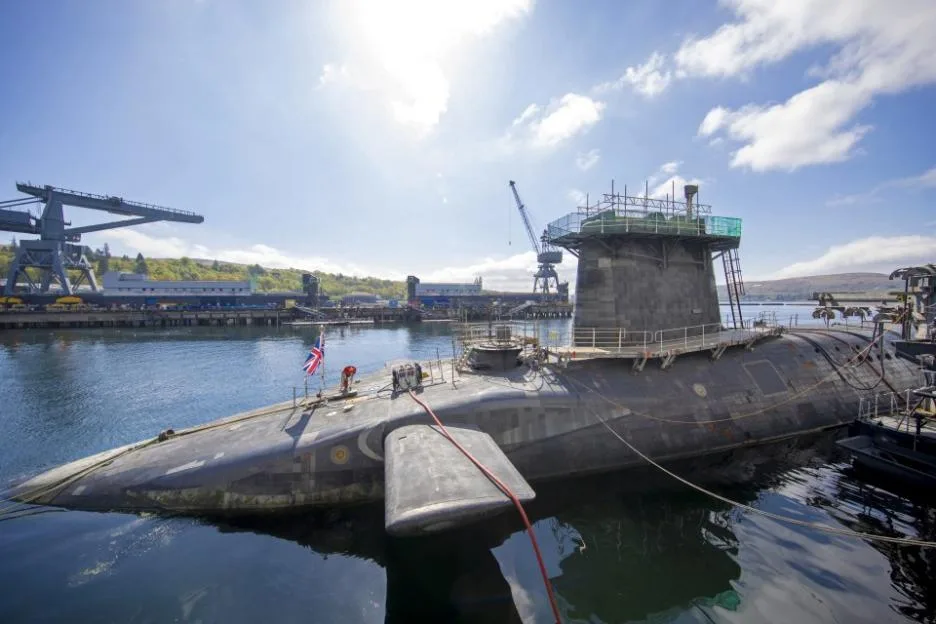
They are packed with which carry more explosive power than all sides dropped in
Yet their last line of defence is hoses — with a source admitting: “You have to use what you’ve got.”
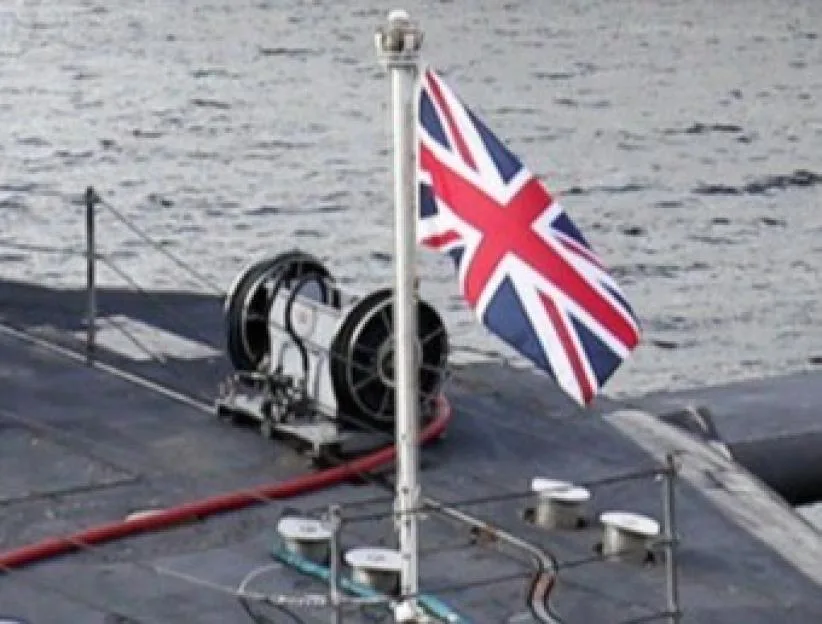
The hoses known as “centre fed reels” are placed on the submarine decks as a precaution when the vessels are tied alongside at the home of the fleet, in Faslane.
The Navy insists there are several layers of defence including “physical barriers, patrols, surveillance, monitoring, and counter-drone capabilities”.
Those capabilities include submariners standing on deck and firing water at any that evade land-based defences.
The hoses are fitted with pistol-grip nozzles to help sailors aim at aerial targets.
The source added: “We always thought this would be for small spy drones or civilian dicking around — but the threats moved on a lot.”
is the UK’s most sensitive military site and is believed to have been a target of suspicious drones since at least 2018.
It is particularly vulnerable to short-range drones due to being located on a 1km wide stretch of the Scottish sea loch.
A Navy source said: “Gare Loch has excellent natural protection against enemy submarines but the topography leaves it at risk of drones.
“There are lots of public roads, people can roam on the hills. If several drones were launched nearby there is less time to react.”
Meanwhile Russia has built metal cages to defend its Black Sea subs from drones, Britain’s Defence Intelligence revealed in July.


And US submarine bases — such as King’s Bay in — are several times bigger than HMNB Clyde, giving defenders more time to react if drones launch near the perimeter.
Drone flights near military bases have soared from nine a year in 2019 to 340 in the last 12 months.
And according to the London based IISS think tank.
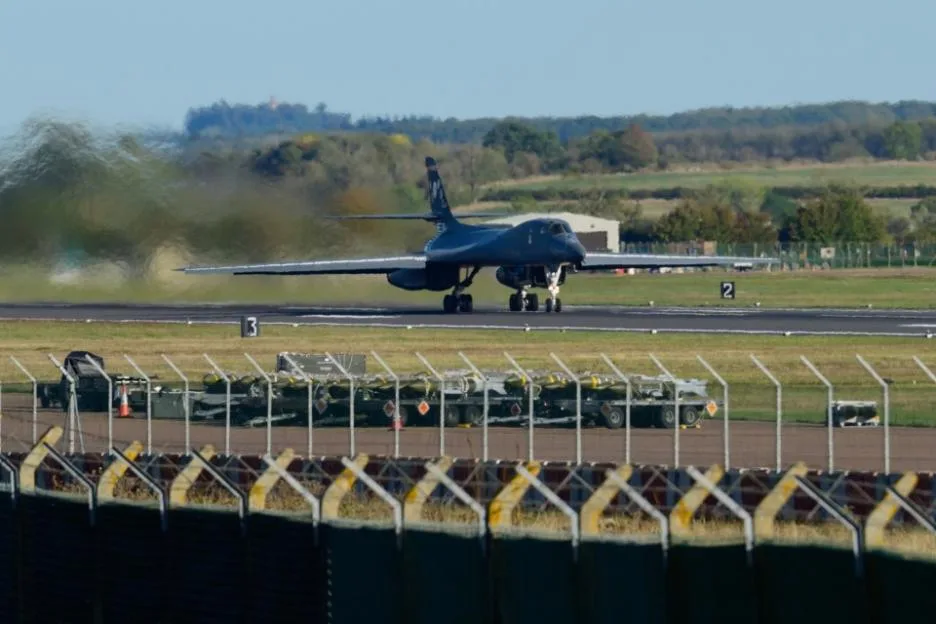
Targets included France’s Ile Longue nuclear submarine base, Belgium’s Klien Brogel nuclear airfield and RAF Lakenheath in Suffolk, which is due to store US air-launched nukes.
The report’s author, Charlie Williams, told The Sun: “Faslane is very clearly of interest to hostile states. We know it has been targeted before and it would not be surprising if it was targeted again.
“It is very surprising they are relying on fire hoses to defend the submarines. We have to hope the is investing in the right kind of capability to defend it.”
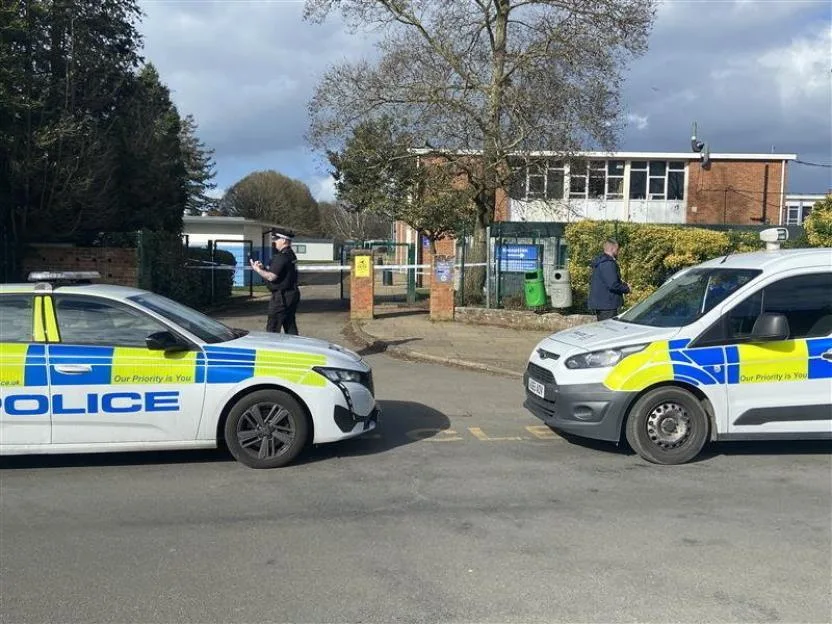
Details of Britain’s threadbare defences emerged after , Gloucs, over fears of an Iran-backed attack.
Specialist anti-drone troops from the RAF Regiment surged into the base last month.
The on Sunday just days after five men were arrested nearby on suspicion of terror and explosives offences.
Two other men have been arrested. Six of the seven were released on bail.
US officials claimed Iran-backed agents were planning to launch waves of drones in a plot appeared to echo Ukraine’s
This saw more than 100 drones launched from lorries deep inside Russia to hit airfields.

The Navy’s hose pipe defence drills are designed to defend the nuclear submarines against small and medium range FPV drones.
Long-range attack drones such as Iranian Shadeds or Russian Gerbera drones could be intercepted by RAF fighter jets.
The Vanguard subs are most at risk when sailing on the surface or tied alongside at port. And they spend months, even years, in port at a time.
The source added: “In a worst case scenario, the plan is to grab the centre fed hose reel and use it to knock a drone off course or even knock it down.”
Ukraine has repeatedly hit Russian submarines, including with British Storm Shadow missiles which damaged the Kilo-class Krasnodar submarine when it was in dry dock in Crimea for repairs.
Ukraine has also blitzed Russian submarines with surface, sub- surface and aerial drones at its port in Novorossiysk at the eastern edge of the Black Sea.
The MoD said: “The first duty of Government is national security, and we take the security of our people, sites and local communities extremely seriously, in particular those housing nuclear capabilities.
“The protection of our bases is kept under constant review, with a multi-layered approach that includes physical barriers, patrols, surveillance, monitoring, and counter-drone capabilities.
“Through the Defence Investment Plan, we are investing an additional £470million over the next four years to strengthen the protection of military sites across the UK.”