WHEN Denmark’s government realised it had to take an axe to the country’s bloated benefits system or face electoral revolt, it did not flinch.
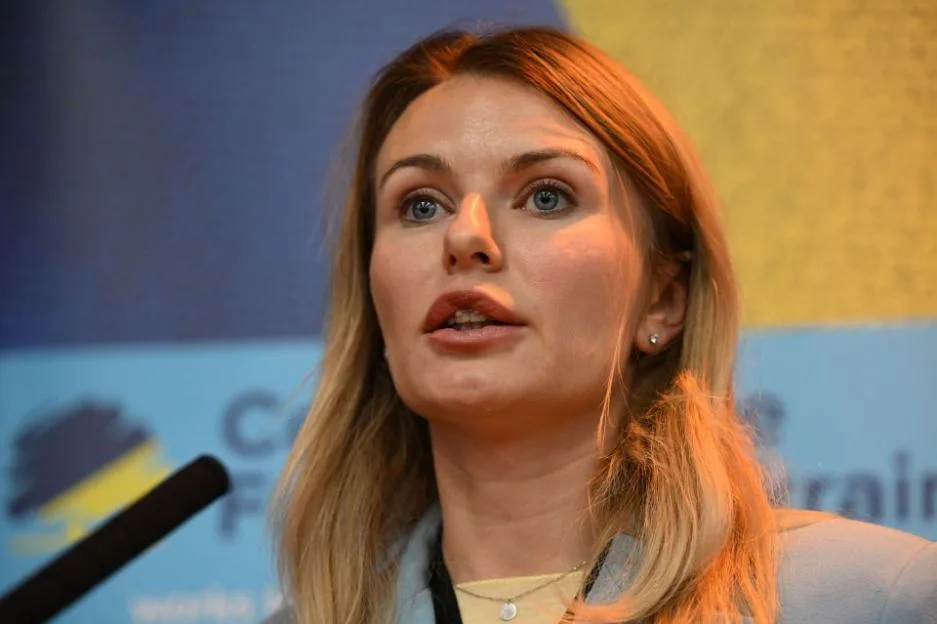
Former Interior Minister Kaare Dybvad was part of the no-nonsense administration that enacted a series of sweeping changes designed to stamp out welfare addiction and get people back to work.

A national outcry in late 2011 followed the revelation that a jobless single mum with two kids called Carina received so much in that she had hundreds left over to blow on cigarettes, designer clothes and a pet dog.
The centre-left decided enough was enough and from 2015 began slashing hand-outs to people who refused to return to work.
Meanwhile, benefits to who had not paid into the system were outlawed altogether.
The purge is credited with unleashing an economic boom — and is now just 2.7 per cent, while growth this year is forecast to be up to four per cent.
They are figures that must make UK Prime Minister green with envy.
Now, with bigwig due next week to release his much-anticipated review of Britain’s broken benefits system, Kaare, 42, warns of the dangers of backing down over state benefits.
He told The Sun: “We used to have very high unemployment, low growth and other economic issues including too much public spending.
“We had between 300,000 and 400,000 unemployed, yet there were job vacancies that companies were unable to fill, which seemed strange.”
Referring to the Carina story, he added: “We had a very heated discussion around one special case — a single woman with two children who was getting the equivalent of £2,000 a month in benefits.
“She had a council house with very low rent and a higher income than many families who went out to work. That case highlighted the problems around long-term benefits.
“The Social Democrats party, which is the big centre-left party in Denmark, saw there needed to be a fairer balance.
“We knew we had to take action because the difference between the amount a person could receive in benefits and the amount they would get paid from a regular job was too low at that time.”
Today, who are fit to work are given a clear choice — they must either find a new job within a certain timeframe, retrain on a vocational course or take voluntary work. If they refuse, their benefits are cut.
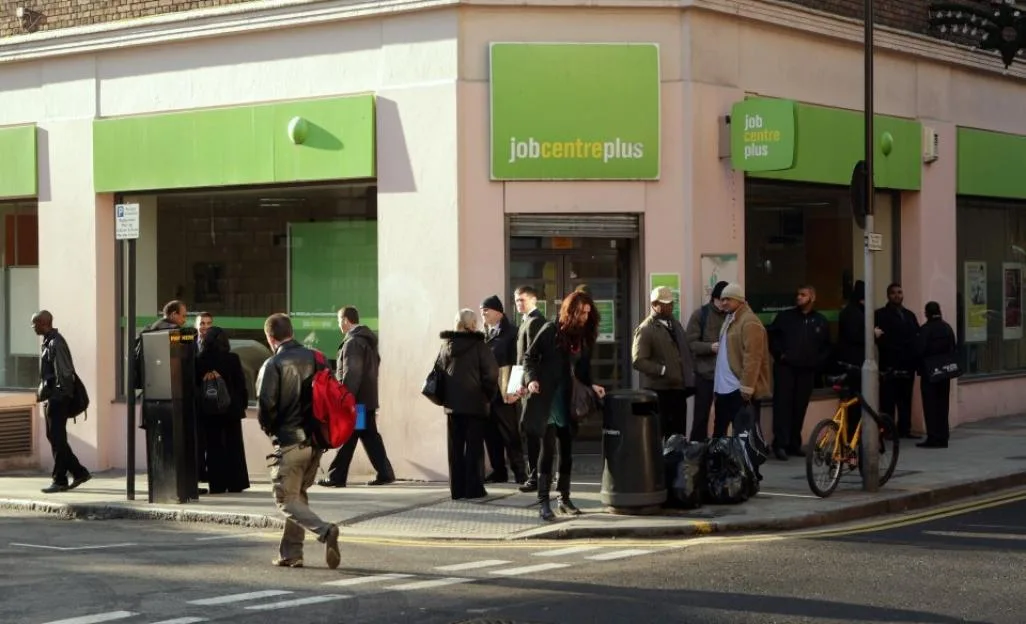
The system contrasts starkly with the UK, where experts warn our welfare bill is set to bankrupt the country — set to hit £136billion over the next financial year.
Former Health Secretary Milburn is leading a review looking at why one million young people are now classed as — not in education, employment or training.
This week, he called for a radical overhaul of our welfare culture that would see under-25s blocked from claiming (PIP) and the health element of .

Those affected would move to a new youth allowance paid at the standard rate of Universal Credit.
He also wants billions of pounds poured into employment support to help young people find work.
Those with significant, ongoing disability costs would transition to a new allowance, not means-tested, and young people with profound, lifelong conditions stopping them from working would get a new, higher-rate benefit.
But Milburn’s proposals are already facing fierce opposition from backbench MPs — and there is uncertainty about whether or not the Prime Minister will have the backbone to enforce the recommendations, given previous .
Warning that the change will not be “pain-free,” Milburn told The Times: “Candidly, it could mean that some people will get less financial support than under the current system. But for young people, there’s a different debate we’ve got to resolve, which is whether the priority is their longer-term life chances or just their shorter-term finances.”
Meanwhile, as our Government dithers, the Danes are celebrating a year of unrivalled economic growth despite global unrest including the wars in and .
there was just 2.2 per cent last month — while over here it has now hit 3.5 per cent, up from 3.1 per cent in August.
The unemployment rate in Denmark has dropped from a high of 7.8 per cent in 2012 to 2.7 per cent this year, while the UK’s is almost double that at 4.7 per cent.
public debt is just over a quarter of what we have amassed here on the back of prolific welfare spending.
Kaare, who was part of the Danish government from 2019 to 2025 and also served as Immigration Minister, said: “You aren’t forced to go to work in Denmark. But typically, you have one of three options if you are out of work and can’t find a job.
“Either you take further vocational training that can help you reskill and get back into the workplace, or you take a basic job at, say, a supermarket or a logistics company.
“Or you agree to voluntary work such as picking litter from the beach or cleaning a public institution for 37 hours a week.


“If you refuse all three and don’t follow agreements made with local officials then ultimately you lose your benefits.
“Of course, there have been some — and especially in migrant communities — who have been out of work for years and would rather lose the benefits because of cultural and social issues.
“In some Middle Eastern communities, it’s seen as a status symbol to have your wife stay at home and that has been an issue for decades. But what we’ve seen is some of these women are resourceful and have skills that are greatly needed in our labour market. And once they see they must work 37 hours a week, they think, ‘I might as well get a regular job’.
“The changes we introduced had a big impact. Most of the 300,000 we felt were well enough to re-enter the labour market did eventually return to work.
“We’ve had high growth since 2013 compared to neighbouring countries like Sweden and Germany, and very low unemployment rates. We don’t have much public debt, we have a ten per cent surplus on foreign trade, and our economic figures are quite good.”
Much like in the UK, Denmark also found itself reliant on foreign labour and this trend continued even after the welfare system was reformed. To tackle the issue, the Danish government unleashed an army of retired workers who were encouraged back into work by a series of generous tax breaks.
Kaare added: “Hiring pensioners is the most efficient way to get a skilled workforce because you don’t need to train them. We had a lot of people who were still active, already spoke our language and were more than willing to work, given the right incentives.”
Another key reform was ensuring that low-paid workers were freed from tax burdens that would discourage them from finding a job.
Kaare appears baffled when it is pointed out to him that is to rise to £13.21 an hour from next April.
He continued: “We put in a tax break at the bottom so something like the first £500 you earn every month is untaxed — and that is quite an incentive for someone who is coming off benefits.
“Raising the minimum wage is a difficult thing to do because the market is always the market — if you raise the minimum wage too much, then what usually happens is that a group of people with low skills are too expensive to employ.
“The workers’ movement in Denmark, and my party, have always been in favour of lowering taxes for people on lower income.”
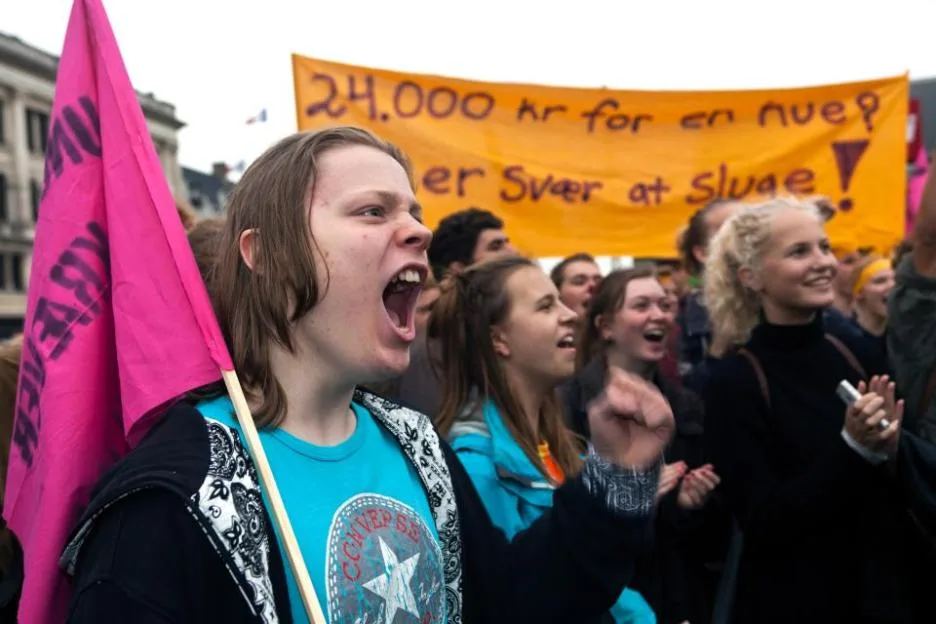
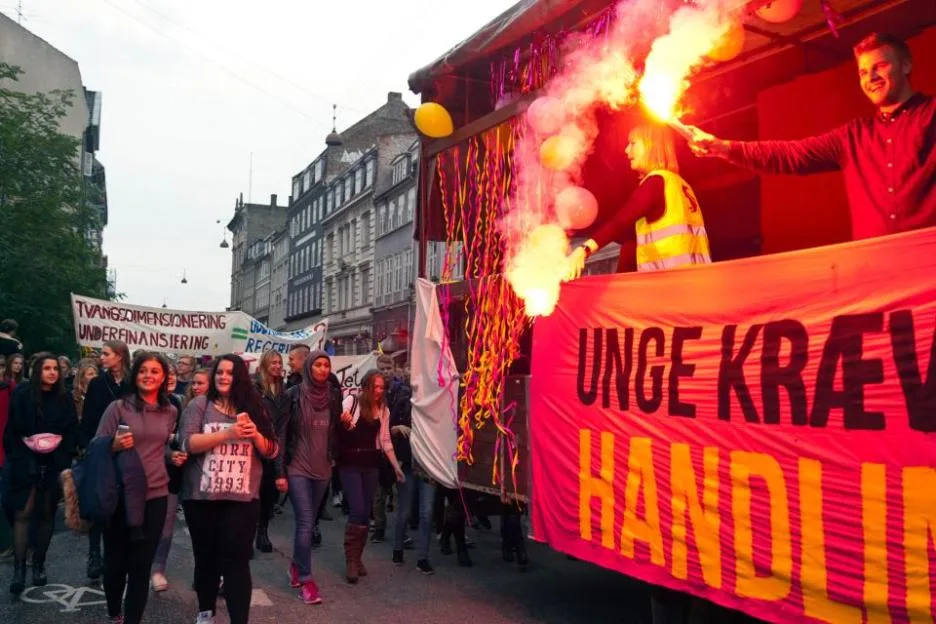
Denmark’s welfare reforms faced significant opposition, but Kaare is in no doubt that they were the right thing to do. He said: “A lot of people were hit hard by the changes. There were people who moved on to a very low income once their benefits were cut.
“Some had to move house as a result and it was a difficult time, but a balance had to be struck.
“It has been worth it because so many people got back into work.
“I still haven’t heard from anyone who said that they are sorry they got a job and would prefer to be on benefits. People gain a lot from having a purpose and hope. It’s not only a matter of how much money you are paid.
“It’s also a matter of building your freedom and opportunities from having a job — and of developing and empowering yourself.”
THE DANISH CRACKDOWN
Unemployed people must do one of these 3 things or lose benefits
- Join a vocational course to reskill
- Accept a basic job, such as entry-level supermarket or logistics roles
- Do 37 hours a week on community tasks such as picking up litter or cleaning public buildings
PLUS…
No benefits for migrants who had not previously paid into the system
Tax breaks for low-income workers to make sure work pays
Cut tax for OAPs to encourage retired workers such as nurses to return to work