Summer vacations are a great opportunity to relax, explore new places, and spend time with family. But if your travels take you to an area where dengue is present, mosquito bites can pose a health risk.
Dengue is common in many tropical and subtropical regions, and outbreaks can occur when conditions favor the mosquitoes that spread the virus. Fortunately, a few simple precautions can significantly reduce your risk of mosquito bites.
Before packing your bags, here's what you should know about dengue fever, its symptoms, and how to protect yourself and your family while traveling.
What Is Dengue Fever?
Dengue is a viral infection caused by the dengue virus (DENV). It is transmitted mainly through the bite of infected Aedes mosquitoes, particularly Aedes aegypti and, to a lesser extent, Aedes albopictus.
Dengue occurs primarily in tropical and subtropical regions around the world. Many infections cause no symptoms or only mild illness, but some people can develop severe dengue, which requires urgent medical attention.
Dengue risk can vary throughout the year depending on the destination, climate, rainfall, mosquito activity, and local outbreaks. Travelers should therefore check current health information for their destination before departure.

How Does Dengue Spread?
Dengue is mainly spread through mosquito bites.
When a female Aedes mosquito bites a person who has dengue virus in their blood, the mosquito can become infected. The infected mosquito can later transmit the virus when it bites another person.
The basic transmission cycle is:
Person infected with dengue → mosquito → another person
Direct person-to-person transmission is not the usual way dengue spreads. Rare forms of transmission can occur in certain circumstances, including from a pregnant woman to her baby and through some blood-related exposures.
Aedes mosquitoes live close to people and can bite during both the day and night. They often lay eggs in containers and other objects that collect standing water.
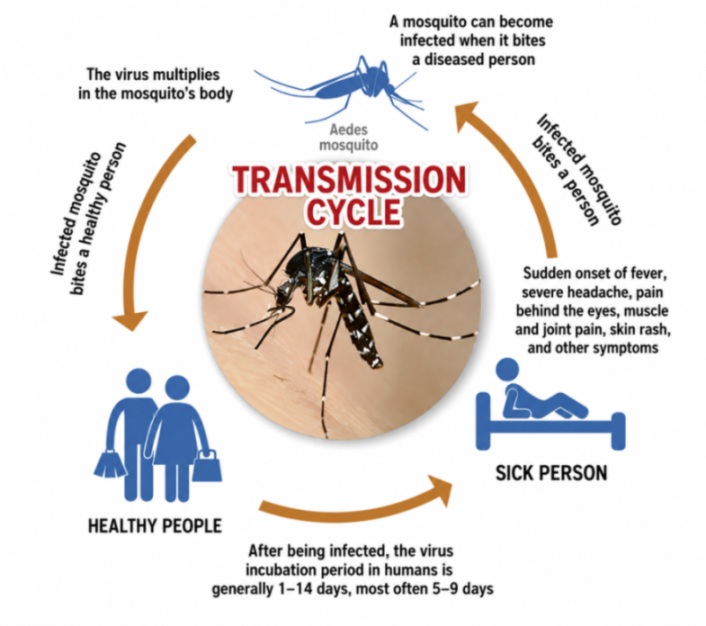
Illustration showing the dengue transmission cycle
What Are the Symptoms of Dengue Fever?
If symptoms develop, they usually begin about 4 to 10 days after infection and generally last 2 to 7 days. Most people recover within one to two weeks.
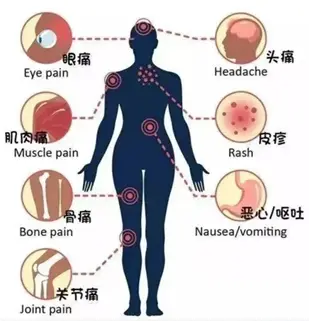
Common symptoms include:
High fever
Dengue can cause a sudden high fever, sometimes reaching around 40°C (104°F).
Severe headache and eye pain
A person may experience a strong headache, especially with pain behind the eyes.
Muscle and joint pain
Dengue can cause significant muscle, bone, and joint pain.
Nausea and vomiting
Digestive symptoms such as nausea and vomiting may occur.
Skin rash
A rash can develop during the illness and may appear across different areas of the body.
Fatigue
People with dengue may feel extremely tired or weak.
Watch for Warning Signs of Severe Dengue
Most people recover without serious complications, but dengue can sometimes become severe.
Importantly, warning signs may appear within 24 to 48 hours after the fever begins to go away.
Seek urgent medical care if someone with suspected dengue develops symptoms such as:
- Severe abdominal pain or tenderness
- Persistent or repeated vomiting
- Bleeding from the nose or gums
- Vomiting blood
- Blood in the stool
- Extreme tiredness
- Restlessness or unusual irritability
Severe dengue is a medical emergency and can worsen rapidly.
How Is Dengue Diagnosed?
Because dengue symptoms can resemble those of other illnesses, a healthcare professional should evaluate anyone with suspected dengue, particularly after travel to an area where the disease is present.
Diagnosis takes into account symptoms, medical history, recent travel, and possible exposure to mosquitoes.
Blood tests may also be used to confirm infection. Depending on when testing is performed, healthcare professionals may use molecular tests such as RT-PCR, NS1 antigen testing, and antibody tests such as IgM.
If you develop symptoms after traveling, make sure you tell your healthcare provider where and when you traveled.
How to Prevent Dengue While Traveling
There is no simple way to completely eliminate exposure to mosquitoes while traveling, but you can greatly reduce your chances of being bitten.
1. Use an effective insect repellent
Apply an appropriate insect repellent to exposed skin and follow the product instructions carefully.
Common effective repellent ingredients include DEET and picaridin/icaridin, among others.
2. Wear protective clothing
When possible, wear loose-fitting:
- Long-sleeved shirts
- Long trousers
- Socks and closed shoes
Clothing provides an additional barrier between your skin and mosquitoes.
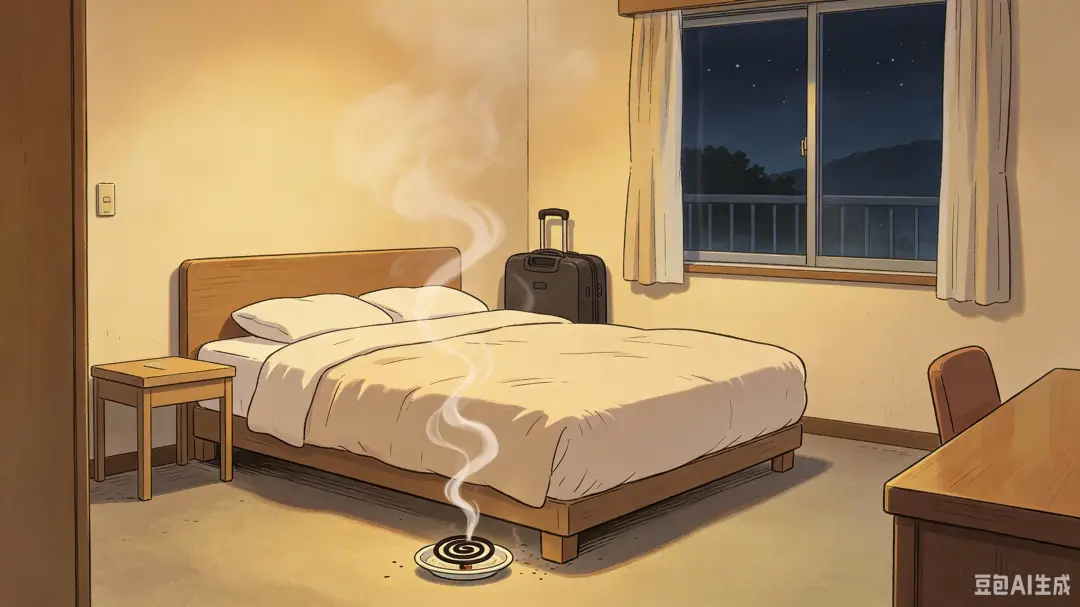
3. Choose mosquito-protected accommodation
Stay in hotels, guesthouses, or homes with:
- Air conditioning
- Window screens
- Door screens
If the room is not adequately screened or air-conditioned, consider sleeping under a mosquito net.
4. Protect babies and young children
Take extra precautions with cribs, carriers, and strollers. Use mosquito netting where appropriate and make sure any insect-repellent products are used according to their age-specific instructions.
5. Don't assume mosquitoes only bite at night
The mosquitoes that spread dengue can bite during the day and at night, so mosquito protection should not be limited to bedtime.
How to Reduce Mosquitoes Around Your Home
Preventing mosquitoes from breeding around your home is another important part of dengue prevention.
Remove standing water
Regularly inspect your surroundings and empty water that has collected in objects such as:
- Buckets
- Flowerpots
- Bottles and cans
- Bowls
- Outdoor containers
- Discarded items that can hold rainwater
Aedes mosquitoes commonly lay eggs in containers that hold water.
Use screens and mosquito nets
Keep doors and windows screened whenever possible. Mosquito nets can provide additional protection, especially in areas where rooms are not adequately protected.
Use mosquito-control products safely
Mosquito sprays and other insect-control products can be useful when used correctly. Always follow the manufacturer's instructions, particularly when children or pets are present.
What Should You Do If You Think You Have Dengue?
If you develop fever, rash, headache, muscle or joint pain, or other symptoms during or after a trip to an area with dengue risk, seek medical advice and tell your healthcare provider about your recent travel.
While waiting for medical advice:
- Rest
- Drink plenty of fluids
- Watch carefully for warning signs of severe dengue
For fever or pain, healthcare guidance commonly recommends paracetamol/acetaminophen rather than aspirin or nonsteroidal anti-inflammatory drugs such as ibuprofen, because aspirin and ibuprofen can increase bleeding risk in someone with dengue.
If severe warning signs develop, seek emergency medical attention immediately.
Don't Let Dengue Spoil Your Trip
Dengue prevention begins with preventing mosquito bites.
Whether you're traveling abroad, visiting family, staying at a resort, or spending your holiday in an area where dengue occurs, simple precautions can make a meaningful difference.
Use insect repellent, wear protective clothing, choose mosquito-protected accommodation, remove standing water, and pay attention to symptoms during and after your trip.
A little preparation can help you and your family enjoy your travels while staying safer from dengue.