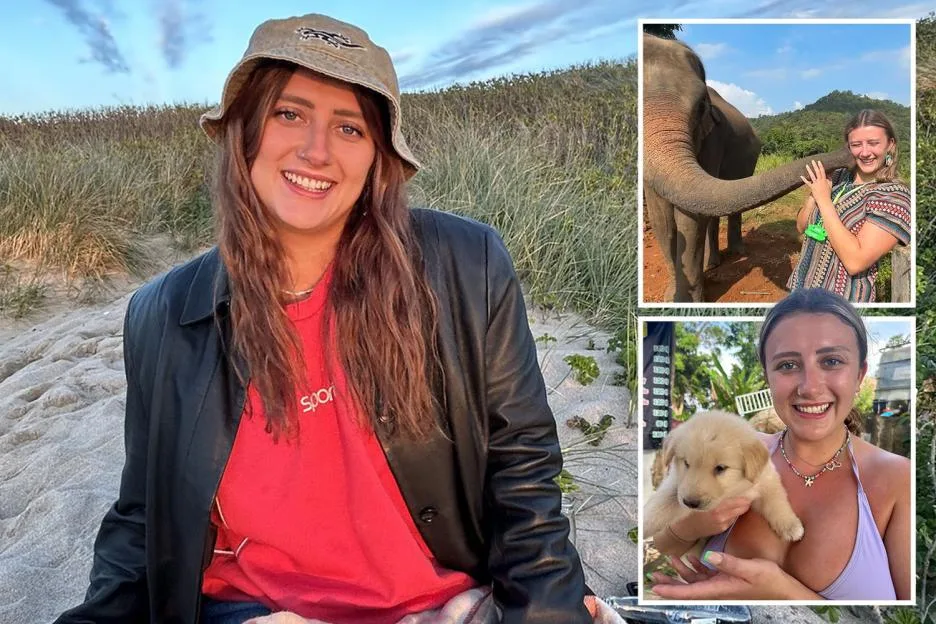
WEEKS after doctors brushed off her daughter’s symptoms as flu, Rachel Catterall was forced to watch as Daisy’s body succumbed to a “hideous disease” she’d never even heard of.
When Daisy, phoned her mum one morning in early 2025 complaining of in her neck, they both thought little of it.

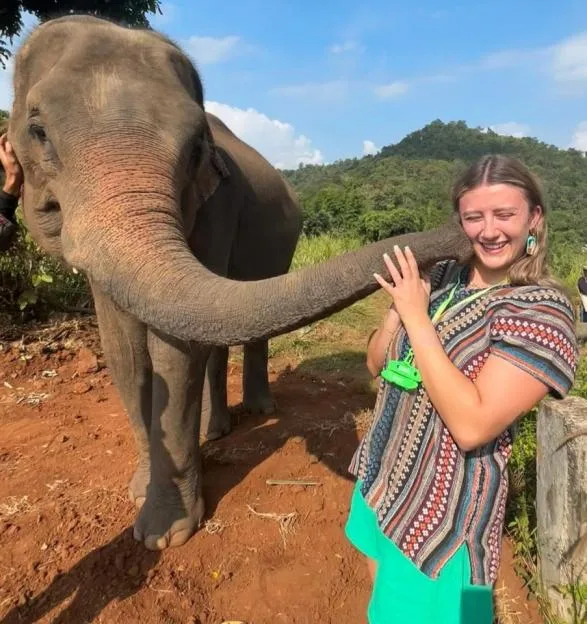
But, her flu-like symptoms had in fact triggered a rare and life-threatening condition, , where an overactive immune system attacks the body’s organs and blood cells.
Rachel, a painter and decorator, had never heard of the condition before her daughter’s passing at just 25 years old – and is now sharing her story in a bid to raise awareness of .
“I was watching the doctors work on her when they said she couldn’t be saved,” the mum-of-three, from Cirencester, tells Sun .
“I could see they were right. Her body had been ravaged by this hideous disease.
“Basically, her own body was killing her. When they called time, I was absolutely devastated.
“I could see there was no chance for her, though. It all happened in the blink of an eye.”
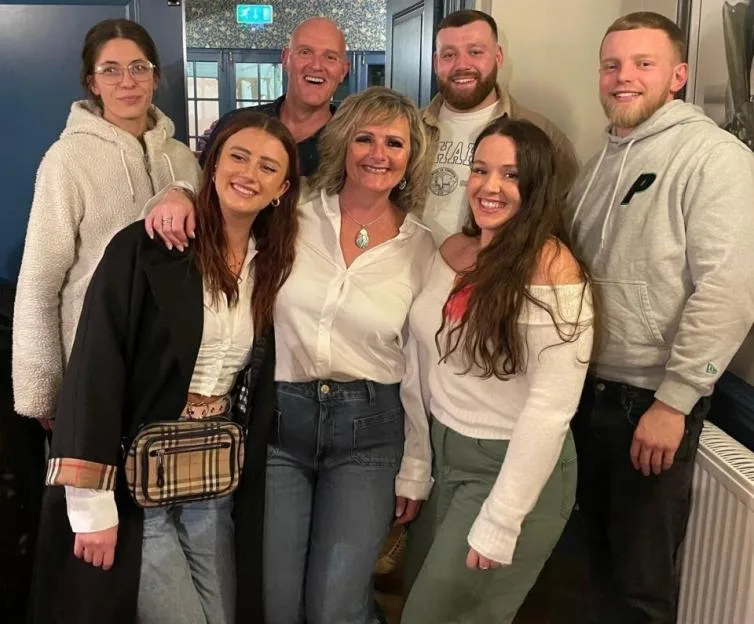
Daisy, who worked for the local council, had just bought her first home with long-term boyfriend, Matty, now 27.
While travelling the world together, they were making plans to get married and start a family.
An avid gym goer, Daisy was very fit and her mum, 55, recalls her daughter never being ill in her entire life.
But Daisy in January 2025, called to say she was unwell.
Rachel says: “I really didn’t think a lot about it at the time. The doctors told her it was a viral infection and gave her some antibiotics.
“Over the next few weeks, she was back and forth with them.

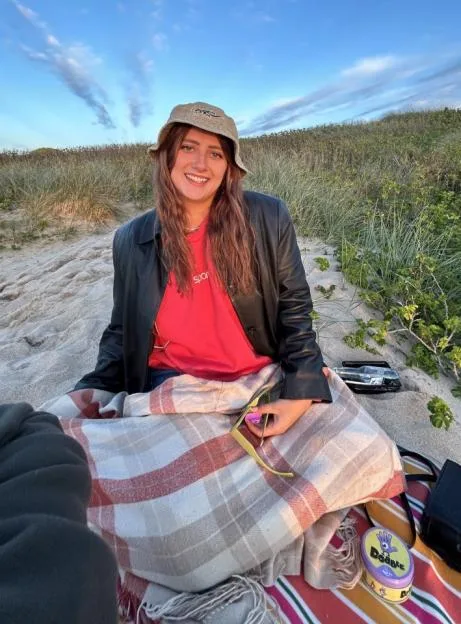
“She had gotten over the swollen glands, but then the achey joints started, as well as rashes.
“They all said it was the same thing and that she had nothing to worry about.
“Although she was under the , I still wasn’t worried, as she was just a fit and healthy woman in her twenties.”
Then, the week before Rachel and her husband, Sam, also 55, were due to go on a trip to Cambodia and Vietnam, Daisy – their youngest child – was admitted to hospital.
Rachel says: “Her bloods were not how they should be; the count was abnormal.
“Over the next few days, I sat with her in the hospital.
“She didn’t appear seriously ill – if anything, she was just like a normal self.
“I had a bit of wobble about going away, but because she loved travelling so much, she was adamant we were going.
“The day before we went away, she left the hospital and was due to be treated as an outpatient.”
The pair headed off on their big holiday, thinking their daughter was safe and sound.
However, two days into their trip, they got a call to say Daisy was back in hospital.
Rachel says: “I was on FaceTime with her when the consultant came in and I asked her to leave me on the call so I could hear what he had to say.
What is haemophagocytic lymphohistiocytosis?
Haemophagocytic lymphohistiocytosis (HLH) is a rare immune disorder where the body reacts inappropriately to a ‘trigger’.
This is usually an infection.
Specialised white blood cells (known as T-cells and macrophages) become over-activated, causing severe inflammation and damage to tissues such as the liver, spleen and bone marrow.
There are two main types: primary (caused by a genetic mutation that is passed from parent to child) and secondary (which develops as a result of another illness).
Symptoms of HLH include:
- A rash
- High temperature
- Swollen liver, spleen and lymph glands
- Anaemia
- Infection
- Bruising
- Bleeding
- Seizures
- Wobbliness
- Drowsiness
However, these are also all signs for other health conditions, so getting diagnosed can be tricky.
HLH requires urgent treatment, usually at a specialist centre.
It is not known how many people have HLH in the UK, but some experts estimate there are 1.2 cases per million children, which corresponds to one in 50,000 births
Source: Great Ormond Street Hospital / Histo UK
“He said he wanted to do a bone marrow biopsy – which isn’t done unless they are looking for something bad.
“I began looking for the first flight home. Daisy kept saying we didn’t need to come home – but my mother’s instinct was telling me otherwise.”
When they jetted off, their daughter appeared the same as usual – chatting and laughing away.
But after landing on UK soil, Rachel’s phone wouldn’t stop pinging.
Daisy had been transferred to critical care.
She says: “It was such a shock. We raced from the airport to the hospital.
“As we arrived, I saw her lying there, being given so much medication.
“The doctor pulled us aside and told us of the diagnosis.”
Rachel, while not prior to this, had Googled the condition when it was mentioned during past tests – as it was originally ruled out.
She had to stop reading, as the condition was “too awful” to picture her daughter suffering with.
Daisy, despite battling for her life, was only worried about whether she’d be able to make her trip to the Philippines.
At two in the morning, the following day, the parents got a call to say she had to be put on dialysis, as her kidneys were failing.

Following this, Daisy was placed in an induced coma to help her body recover.
Rachel says: “We told Daisy they were going to put her to and when she woke up, she would be going to the Philippines.
“Staying positive while telling her this, when inside I was devastated, was the hardest thing I’ve ever done.”
A few hours later, she went into cardiac arrest and on February 22, 2025, at 9am, Daisy passed away.
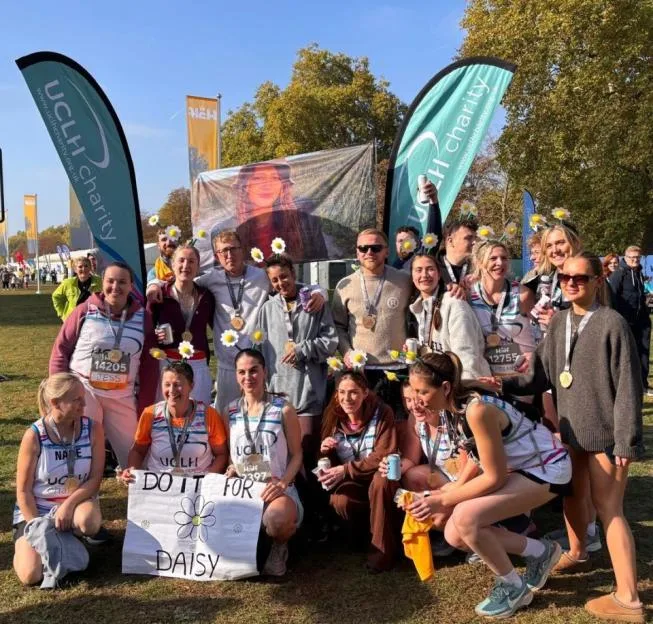
Since her death, Rachel, as well as other family members and friends, have shared their efforts to raise awareness of the disease in the hopes nobody will suffer like Daisy did.
It is difficult to diagnose HLH due to it such as .
According to the , its many varied symptoms often means it falls between specialties.
Without swift diagnosis and correct treatment, HLH can be catastrophic proving fatal in roughly 50 per cent of all cases.
Roughly 100 people are diagnosed with the condition in the UK every year.
Rachel says: “There are so many people that could have died from HLH, but may have been diagnosed with something different.
“It’s so important that when people come in presenting certain symptoms that doctors think outside the box and test for it.
“Daisy dying is a massive loss to so many people.

“She always had lots of friends and had grown up to be an amazing, kind and generous young lady.
“I’m so proud of her.
“Everyone who knew her, or met her, loved her.”
Now, they’ve created a group called “Daisy’s People” to help raise funds for the team at Hospital who were overseeing her care.
So far, they’ve raised £86,000.
Over 500 people attended the 25-year-old’s funeral – a testament to her character.
And to embrace her daughter’s passion for travel, her ashes are being scattered across the globe by family and loved ones – so far including Australia, , Spain, Thailand, Cyprus, Gozo, and, of course, the Philippines.
Rachel adds: “I’m so glad Daisy lived a life as she did.
“She squeezed more adventures and fun into 25 years than most people do in a lifetime.
“She inspired so many friends and family to get out there and live their lives to the fullest.
“I hope she will continue to inspire everybody to do the same – as you never know how long you’ve got.”