SHOPPERS have been urged not to eat four lunchtime wraps after they were found to possibly be contaminated with deadly E.coli toxins.
Those experiencing any symptoms of this harmful bacteria are recommended to stay away from work and school.
 Four Summit Foods items have been recalled for potential E.coli contamination Credit: FSA/Summit Foods
 Shoppers who have bought any of the items, including this Hoisin Wrap, has been urged to not consume them Credit: FSA/Summit Foods
Shiga toxin-producing E.coli has possibly contaminated Summit Foods wraps, forcing the Food Standards Agency to issue an .
Shoppers who have purchased the lunchtime items have been urged to dispose of them immediately, and to not consume them.
Included in the recall are the Snacksters Chicken Fajita Wrap, Snacksters Hoi Sin Wrap, East Street Deli Sweet Chilli Chicken Wrap and the Target a Snack Chicken Fajita Wrap
All items displaying a use by date up to and including September 5, 2026 are impacted by this .
 E.coli can be characterised by severe stomach pains and bloody diarrhoea Credit: FSA/Summit Foods
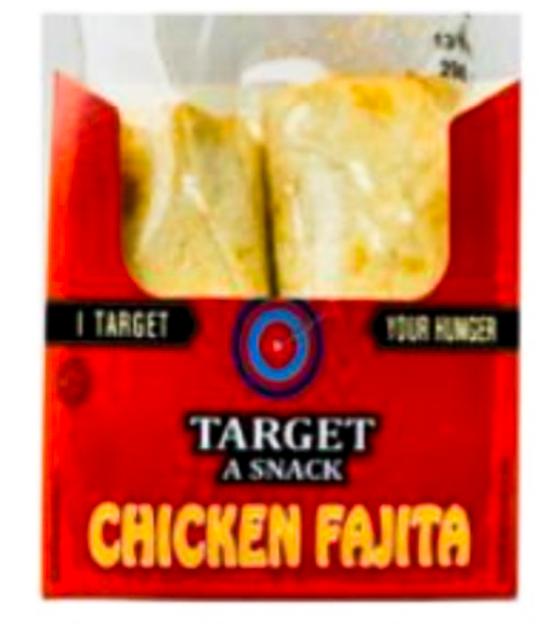 Anyone who has bought the items can email their proof of purchase to Summit Foods for a full refund Credit: FSA/Summit Foods
Summit Foods, known for its popular “fake-away” items, can be found in many major retailers such as , Aldi, Asda and Morrisons.
Its Snacksters Chicken Fajita Wrap can still be found on the Iceland website, where it is sold for £1.50.
Shiga toxin-producing , or STEC, can cause severe stomach pain, bloody diarrhoea and kidney failure after infection, with symptoms usually appearing two to four days after contamination.
In its most severe cases, a small number of people, mainly children, can develop a serious life-threatening condition called (HUS) from E.coli.
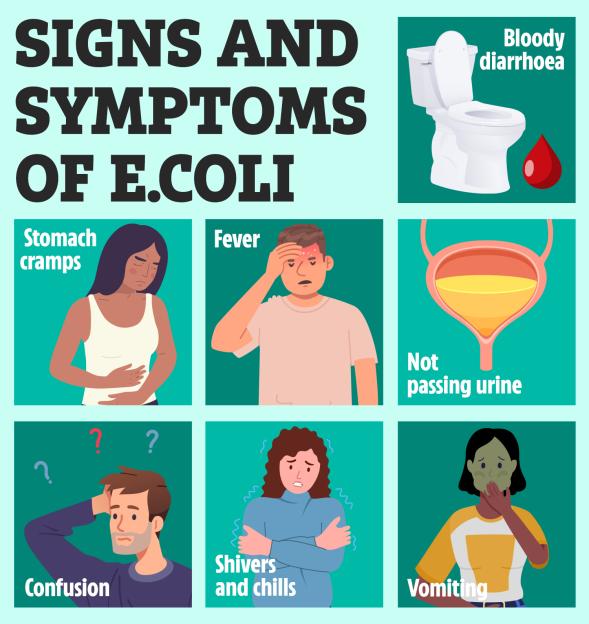 E.coli is characterised by a number of symptoms
 Everything you need to know about Shiga toxin-producing Escherichia coli (STEC)
THE most common type of Shiga toxin-producing Escherichia coli (STEC) in the UK is O157.
Symptoms
People infected with STEC can have a combination of the following symptoms:
- diarrhoea (about 50 per cent of cases have bloody diarrhoea)
- stomach cramps
- fever
Some people may have mild diarrhoea, or even no symptoms at all.
Symptoms can last up to two weeks in cases without complications.
A small proportion of patients, mainly children, may develop haemolytic uraemic syndrome (HUS) which is a serious life-threatening condition resulting in kidney failure.
And a small proportion of adults may develop a similar condition called thrombotic thrombocytopaenic purpura (TTP).
How it’s transmitted
Cattle are the most important reservoir of STEC O157 in the UK, although STEC have also been found in the faeces of a range of animals, including deer, rabbits, horses, pigs and wild birds.
People can become infected by:
- eating contaminated food
- contact with infected animals either directly or through inadvertent contact with animal faeces, for example at farms, petting farms and campsites
- contact with other people who have the illness (through inadequate hand hygiene after using the toilet, before food handling – particularly in households, nurseries and infant schools, or both
- drinking water from inadequately treated water supplies
- swimming or playing in contaminated water such as ponds or streams
How to avoid getting it
Good hygiene practices relating to food and drink, and animals and their environment can hep you avoid getting infected.
You must:
- cook all minced meat products (burgers, meatloaf, meat balls) thoroughly, until the colour is the same all the way through, and no blood runs from them
- ensure refrigerators are working correctly – bacteria grow more quickly at temperatures over 4oC
- only leave cooked foods, meat and dairy products out at room temperature for a short time
- store uncooked meats below cooked meats and salad vegetables to avoid dripping juices onto ready to eat food
- store uncooked and cooked meats on different plates, avoid all contact between raw and cooked meats
- thoroughly wash all salad vegetables and do not prepare them with utensils that have also been used for raw meat
- children and the elderly who are particularly susceptible to the severe effects of STEC should avoid eating or drinking unpasteurised dairy products
- people who have been ill should not prepare food for others for at least 48 hours after they have recovered
- boil any drinking water if you are unsure of it’s source
- do not swim in water that you think may be contaminated by cattle and sheep in nearby fields
- wash your hands thoroughly after using the toilet (or helping others including changing nappies), handling raw meat, before meals and after contact with animals
How to treat STEC
There is no specific treatment for STEC infection. The illness is usually self-limiting, and will clear itself within a week.
It’s important to drink plenty of fluids as diarrhoea can lead to dehydration.
Antibiotics are not recommended and are likely to increase the risk of getting complications such as HUS.
Also, stay away from work or school until 48 hours after you’ve stopped vomiting or having diarrhoea.
Source: UK Health Security Agency
Characterised by decreased urination, pink or brown urine, fatigue, swelling, and unexplained bruising, this condition can pose a risk of kidney failure and death – particularly in children aged five and under.
Those experiencing any of these are urged to stay away from work, school or nursery until the have stopped for at least 48 hours.
All selling the affected products will display point of sale notices throughout its branches, explaining why the item has been recalled and that it should not be consumed.
Refunds will be issued by Summit Foods if the proof of purchase is emailed to the company directly, stating where and when the item was bought.