A WHOPPING £1million fund has been launched to provide dental treatment to the most vulnerable members of society to pursue careers within dentistry.
The mydentist Foundation will support charitable organisations assisting people from undeserved communities, including those recovering from addiction or suffering extreme poverty.
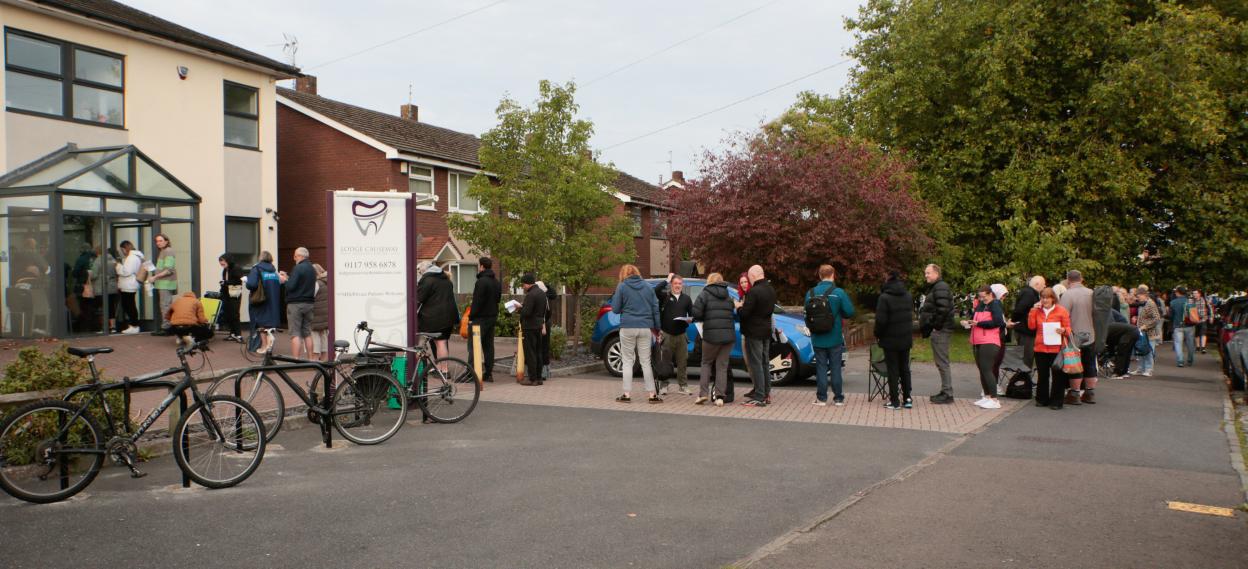 People queue to register as an NHS patient at Lodge Causeway Dental Centre in Fishponds, Bristol Credit: SWNS
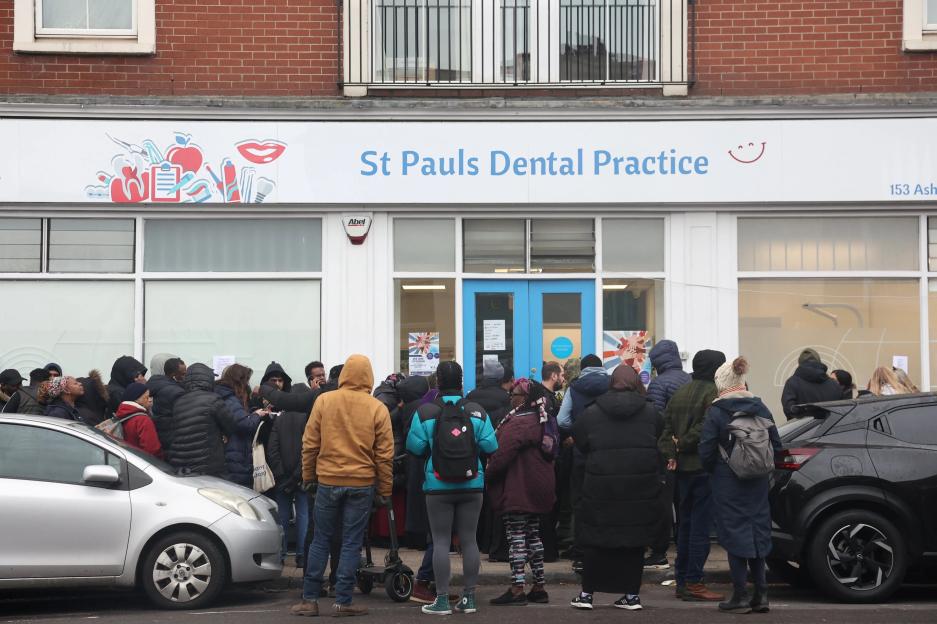
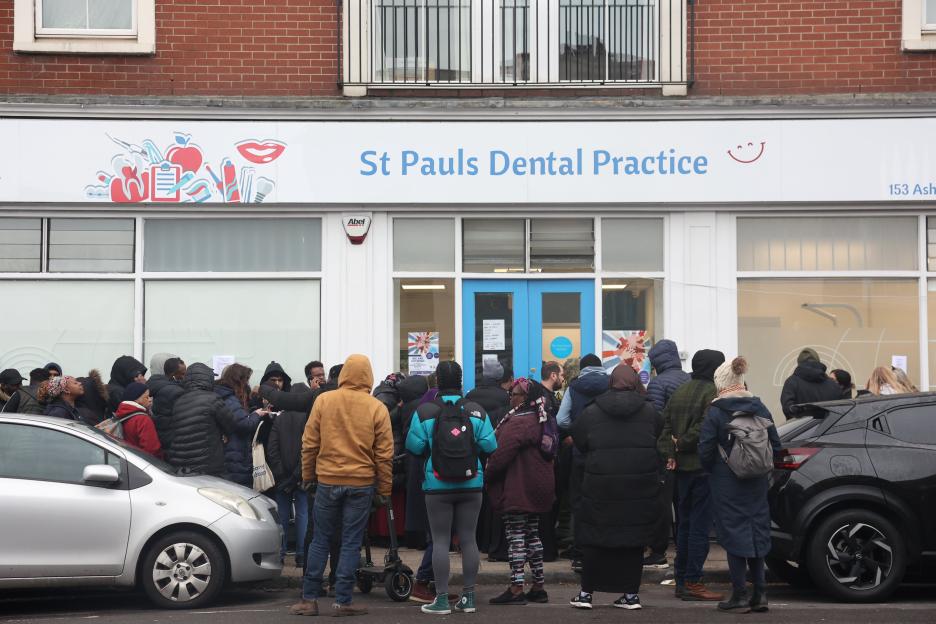 A huge queue outside Saint Pauls Dental Practice where people hope to register for NHS dental care Credit: SWNS
Its first initiative will be the launch of an eco-conscious mobile dental unit which will deliver care for rough sleepers, survivors of abuse and vulnerable women.
In the first year, more than 850 of the hardest-to-reach members of communities across the country will be seen onboard by volunteer dentists and dental nurses.
Procedures including fillings, extractions, scaling and polishing, fluoride varnish applications, X-rays and oral cancer screenings will all be covered by the vehicle, which is set to hit the road in October.
It will primarily visit hostels and crisis accommodation, community centres, family hubs, refuges and soup kitchens.
Alongside this, the fund will create opportunities for aspiring dental professionals from disadvantaged backgrounds.
These professional pathways include a dental scholarship scheme, helping talented students through their BDS (Bachelor of Dental Surgery) university qualification and apprenticeships supporting dental nurses who want to become hygienists and therapists.
The £1 million launch is a partnership between mydentist, the UK’s largest dental operator, and Dentaid, The Dental Charity.
It follows a study of 2,000 adults which revealed four in 10 Brits were unaware of the challenges faced by society’s most vulnerable groups, including women at risk and survivors of abuse, when trying to access dental care.
More than half (53 per cent) were ‘surprised’ to learn that thousands of disadvantaged people across the UK rely on charities and specialist outreach services.
Nilesh Pandya, chief executive officer of the affordable dental care provider, which also commissioned the survey, said: “While many people take access to a dentist for granted, those facing complex challenges such as addiction, homelessness and poor health, getting the care they need can be incredibly difficult, often leading to years of untreated pain and deteriorating oral health.
“The findings also highlighted a lack of understanding around some of the less visible challenges people can face when trying to attend regular dental appointments.”
The study also found tooth loss (66 per cent), ongoing pain (64 per cent) and difficulty eating and drinking (58 per cent) were considered the most likely consequences of being unable to access regular dental care.
More than half (54 per cent) believed it could worsen physical health, while 51 per cent felt it could lower confidence and self-esteem.
Forty-five per cent also linked a lack of regular dental care to poor mental wellbeing.
Meanwhile, 36 per cent believed it could increase pressure on NHS services, while 33 per cent felt it could contribute to social isolation.
When asked which groups should be prioritised for additional dental support, 59 per cent said families living below the poverty line.
This was followed by elderly people living alone (53 per cent) and people experiencing homelessness (44 per cent).
Four in 10 felt the UK Government should take the lead in addressing barriers to dental care faced by vulnerable and disadvantaged groups.
When it came to solutions, lower treatment costs topped the list, with 52 per cent citing it as the initiative most likely to improve access, according to OnePoll figures.
More NHS appointments and mobile dental clinics were each supported by 46 per cent, highlighting demand for greater accessibility and outreach services.
Community outreach programmes (27 per cent), better information about available help (26 per cent) and specialist support services (20 per cent) were also among the initiatives people felt would make a difference.
Nine in 10 (91 per cent) agreed everyone in the UK should be able to access dental care regardless of their circumstances.
Nilesh Pandya, chief executive officer of mydentist, added: “It’s encouraging to see such strong support for improving access to dental care for those who need it most.
“Through our new foundation and partnership with Dentaid, we’re committed to helping vulnerable and underserved communities access the treatment they need and deserve.
“By supporting outreach services, we hope to help tackle oral health inequalities and reach people who might otherwise go without care.
“We will also support talented people from different walks of life to pursue careers within dentistry, including financial support, mentoring and development opportunities.”