
SILVERFISH might look alarming when they dart across the bathroom floor, but the tiny insects are more of a nuisance than a threat.
The wingless, silver-grey bugs are around half an inch long and are usually found during the in damp parts of the home.
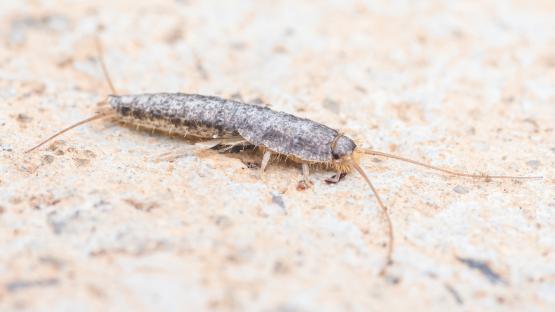
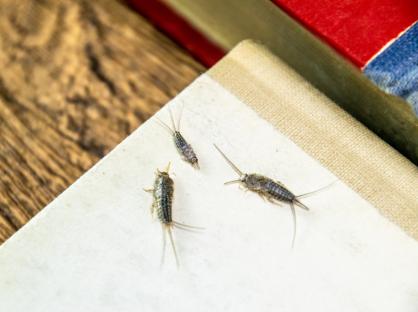
Thankfully, silverfish don’t bite or spread disease to people, according to the British Pest Control Association (BPCA).
But an infestation can damage wallpaper, books, paper, textiles and some dried foods.
And spotting them could be a warning sign that your .
Here’s what the experts recommend if silverfish have moved in to your house.
What causes silverfish in the home?
thrive in humid conditions and are often found in areas affected by condensation, leaks or poor ventilation.
They are nocturnal, hiding during the day behind skirting boards, wallpaper and bath panels before emerging at night to forage.
The insects feed on starchy substances including glue, wallpaper paste and food debris, while paper, cardboard and some fabrics can also provide food and shelter.
BPCA says favour relative humidity of around 70%, meaning tackling excess moisture is one of the most important steps.
Technical support officer at BPCA John Horsley said: “Silverfish are nocturnal in habit, so it’s possible that householders won’t know about an infestation until they discover a silverfish that has become trapped somewhere it can’t climb out of.
He added: “They thrive in damp environments, so can become more active in winter when colder weather can cause condensation inside some homes, but an infestation of silverfish could be an indicator of persistent damp conditions that may need attention.”
While Fantastic Pest Control ’s pest technician : “The most common time of the year to find these pests in your house is generally because that’s when temperatures outside start to drop, and they look for warmth and humidity indoors.”
How to get rid of silverfish
Start by looking for the source of excess moisture.
Repair leaking pipes or dripping fittings, improve ventilation in bathrooms and kitchens and consider using a dehumidifier in persistently damp rooms.
Experts also recommend such as old newspapers, cardboard boxes and piles of paper, which can give silverfish somewhere to feed and hide.
Books, papers, fabrics and other vulnerable belongings that need to be stored long term should be kept inside sealed containers.
Regularly cleaning kitchen floors, cupboards, closets, window frames and storage areas can also remove food sources and make hiding places less attractive.
Sticky traps placed close to walls can help identify where silverfish activity is concentrated and may help with small populations.
Seal cracks and crevices around skirting boards, pipes, windows and other gaps to reduce the places they can shelter and move through.
Mihail said: “In general, to get rid of silverfish, you’ll need to use preventative practices…
“ any hidden spots, such as behind the oven, microwave, toaster, and refrigerator.
“Declutter the areas where you see silverfish and consider using a pest control spray to kill silverfish on contact if the infestation is severe.
“Besides that, because they’re attracted to high humidity, consider installing and using exhaust fans in the bathrooms, kitchens and other areas prone to high humidity and using a dehumidifier to maintain optimal humidity levels between 40-60%.
He added: “Some other things you can use as natural silverfish repellents include diatomaceous earth, which you can sprinkle in areas with silverfish presence. It’s a natural drying agent that dehydrates and kills them.
“Consider also using cedar-based products, such as cedar blocks or cedar oil, which is a natural repellent for silverfish.”
How to stop silverfish coming back
The key is making your home less hospitable rather than simply killing the you can see.
Keeping rooms dry, fixing leaks and reducing clutter tackles the conditions that allow common silverfish to thrive.
If an infestation persists, BPCA recommends using a household insecticide or insect powder specifically labelled for silverfish, targeting the cracks and crevices where they hide.
Householders should only use biocidal products suitable for their intended purpose and carefully follow instructions.
For a – particularly if silverfish are appearing in dry rooms – it might be worth calling a trained to identify the species and decide on the most effective treatment.