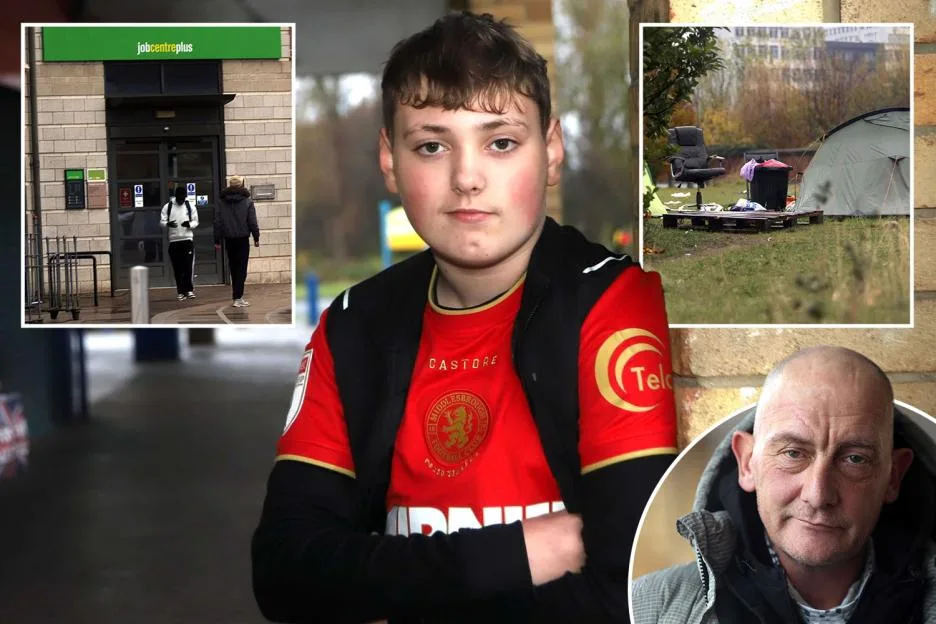
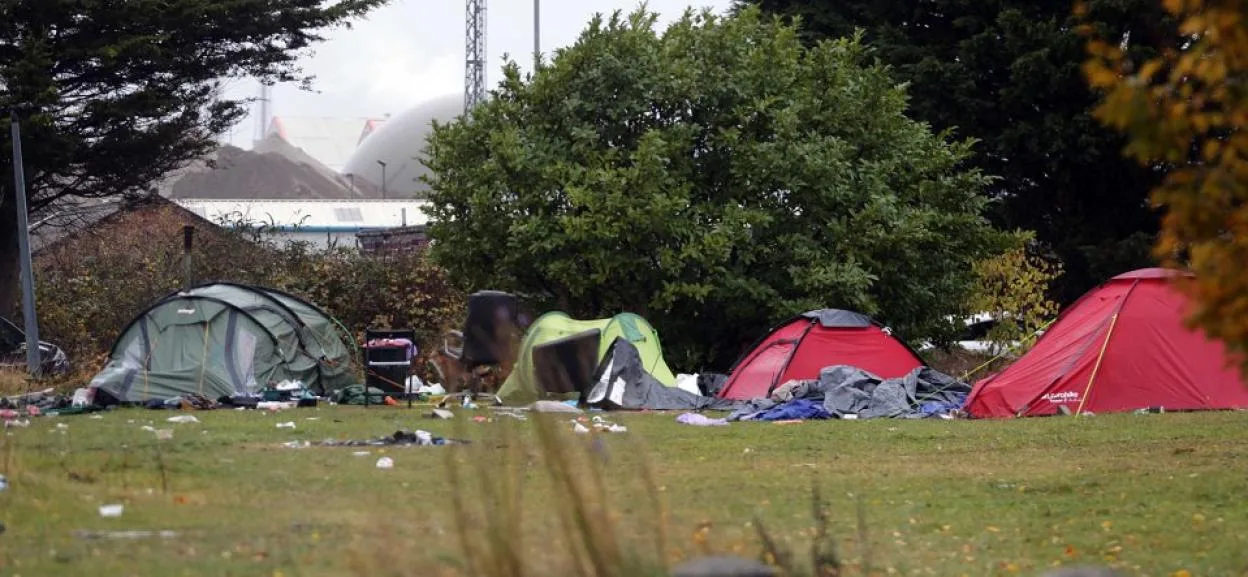
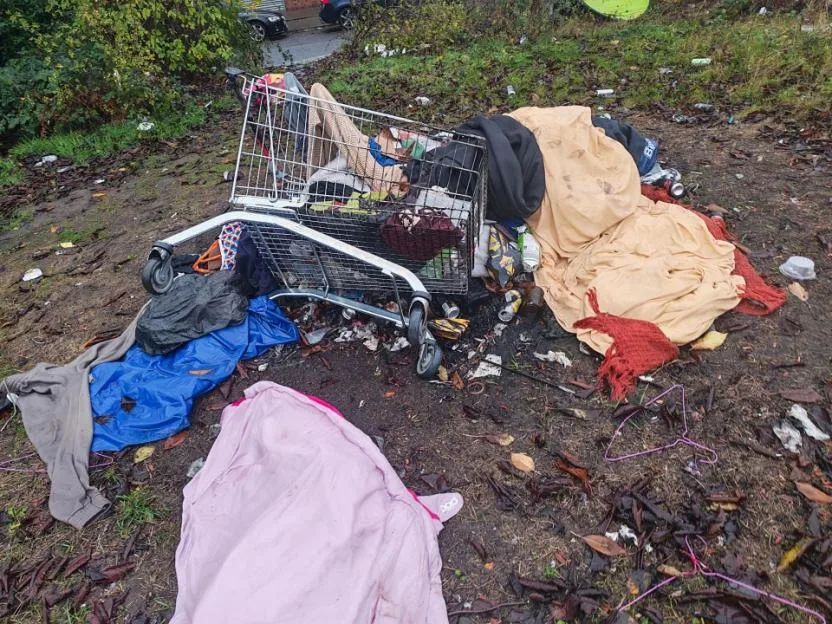
A rain-lashed row of tents pitched on a rubbish-strewn patch of land between a tyre shop and the police station paints the bleakest of pictures in one of Britain’s poorest towns.
While the homeless population in many places avoid the police, in crime-ravaged Middlesbrough they seek them out for their own safety.
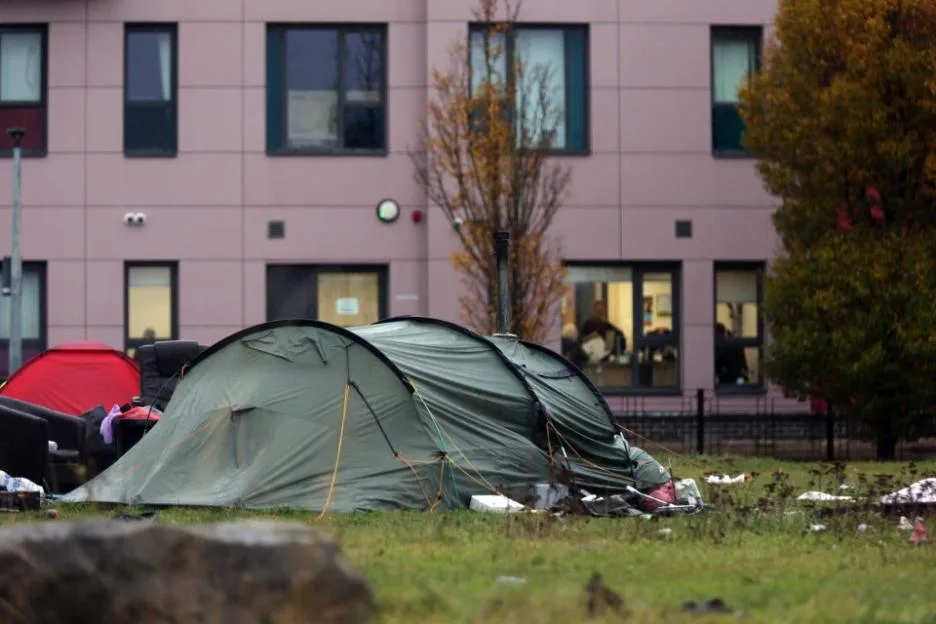
Rough sleepers were being attacked with such regularity that they decided to pitch their tents under the noses of the law. As the manager of one local homelessness charity put it: “What you’re seeing at the police station is traumatised people just trying to survive the night.”
The make-shift camp is a measure of the desperation now unavoidable in a town that was once dubbed an “Infant Hercules” due to its meteoric rise into one of Britain’s industrial power hubs.
In modern day Middlesbrough those glory days are now the subject of history lessons for kids who know they’re leaving school with little hope of finding a job.
On the day Alan Milburn’s NEET report called for a cut in benefits and billions to be invested in job schemes, it was clear few towns across the country would benefit more from a radical system overhaul than Middlesbrough.
Here over 1 in 6 young people aged 16 to 24 are neither earning nor learning, placing the number at 17 per cent compared to a national average of 13 per cent.
And according to the Department for Education, 4.4 per cent of 16-to-17-year-olds in Middlesbrough are NEET or have an unknown activity, working out at 4.0 per cent strictly NEET and 0.4 per cent unknown.
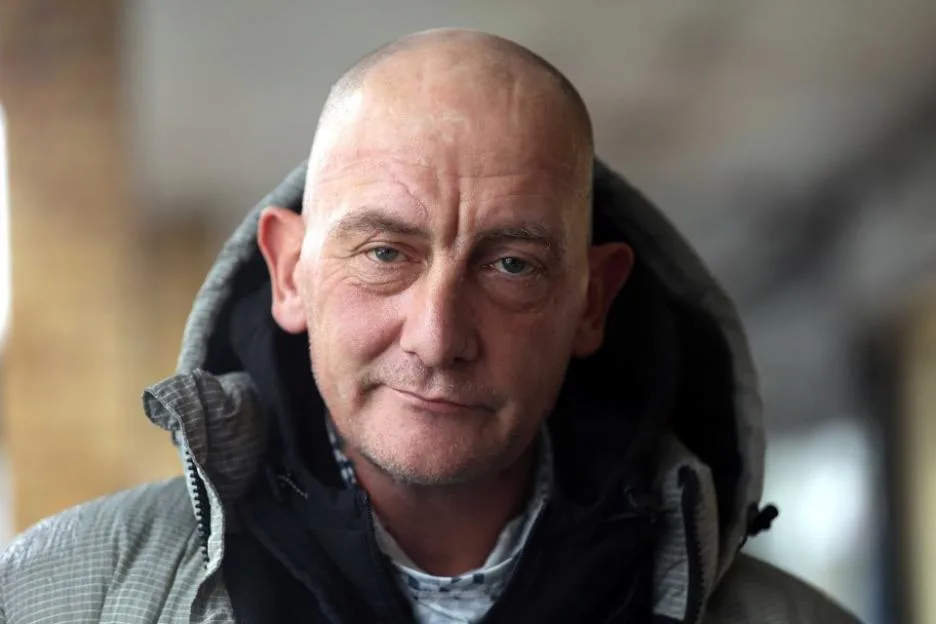
Joe Sheraton, 45, hasn’t worked since he was 24 and is awaiting a desperately needed place in a rehab facility in the south of England or Wales.
Joe spends most of his days drinking strong, cheap cider with friends under the shelter of a parade of shops in the town’s Berwick Hills area.
He said: “I used to work as a paver but I was involved in a bad car accident and ended up taking lots of painkilling drugs that contained opiates and that’s where things started to go wrong for me.
“I’m waiting to be put into a detox and rehab place in either Cardiff or Luton because I have addiction problems and need to get off diazepam and pregabalin and I also have a massive problem with alcohol.
“It’s a bad state of affairs and I know I need help to get past these problems, but so many people in this town are in the same boat as me.
“I can’t work, my body was wrecked by the accident, but a lot of people who could work just can’t find a job, there’s nothing here for people, young or old.
“Kids get involved in crime, which is exactly what I did. It’s a long time in the past but I ended up dealing drugs and ended up being attacked more times than I can remember, I’ve been stabbed six times.
“It’s sad to see the town like this when there was once thousands of good jobs in industry here.”
It was in 1862 that William Gladstone, then Chancellor of the Exchequer, visited Middlesbough and described the young town as an Infant Hercules.
It had become one of Britain’s great industrial powerhouses almost overnight after Henry Bolckow and John Vaughan discovered rich seams of iron ore in the nearby Cleveland Hills.
Middlesbrough became a borough by Royal charter in 1853 and grew quickly with ironworks and mills popping up on the banks of the River Tees.
At its height 40,000 people were employed in the steelworks that stretched from Middlesbrough to Redcar and steel forged on the Tees was exported across the globe to make world-famous landmarks like the Sydney Harbour Bridge.
It led to Teesside proudly proclaiming “We built the world.”
But decades of industrial decline and austerity wrecked the industry the town was built on, with the last remaining part, Redcar Steelworks, closing in September 2015 with the loss of 3,000 jobs.
The town now has the highest proportion of “highly deprived” neighbourhoods out of all local authorities in England.
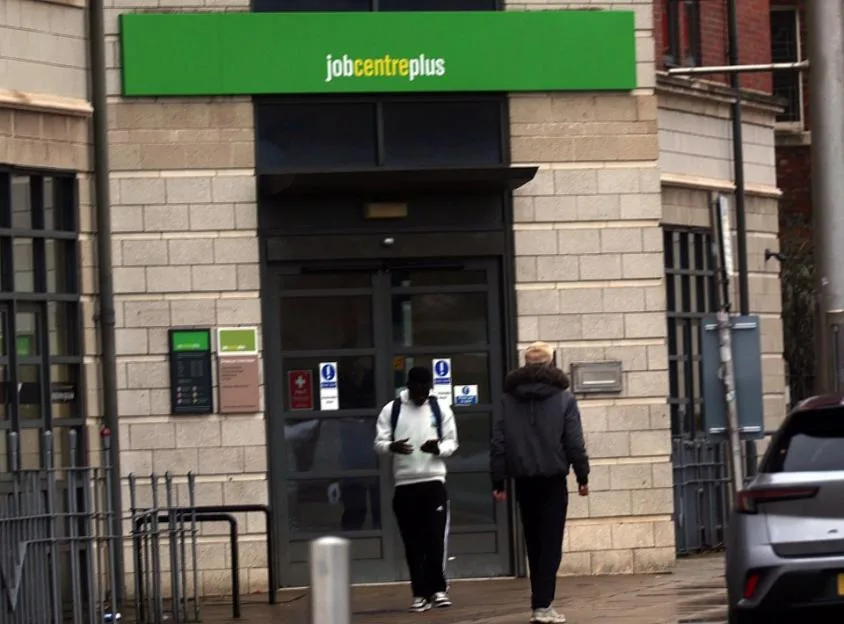
In a 2025 study, 50 per cent of Middlesbrough ’s neighbourhoods were recorded as highly deprived, meaning it takes the unwanted top position out of 296 council areas. In comparison, an average 10 per cent of neighbourhoods are highly deprived across England as a whole.
The Government’s English Indices of Deprivation report updated 2019 figures for multiple deprivation (IMD) figures.
Middlesbrough Council ’s local authority was divided up into 90 different areas as part of the measure and 45 of those neighbourhoods were found to be highly deprived, showing no improvement from the 2019 deprivation survey.
The survey split towns up into Lower layer Super Output Areas, (LSOAs) – small areas used for statistical analysis – and the town had 13 areas in the bottom 1 per cent of the entire country.
In one part of the town – the Newport ward – there are six out of seven children growing up in poverty.
The constituency of Middlesbrough and Thornaby East as a whole has a child poverty rate of 44.1 per cent, making it one of the worst in the country.
Rev Kath Dean of St Oswald’s Church in the deprived Grove Hill area of the town runs the Genesis outreach project aimed at turning young lives around on the troubled estate.
She said: “The number of young people who are out of work and outside of education and training is obviously having a major economic effect on them and their families.
“We run a food bank which is open to the public three days a week and the number of families we’re serving is now creeping up to the 200 mark, which is a lot of people unable to feed themselves or their families without our help.
“Some of the young people who come in can’t even afford the £5 we ask for 10 items from out Eco shop, things like fresh fruit, vegetables and freezer meals, it’s a desperate situation when they don’t even have money for that.
“We want to help them just to get through the week and if we can point them away from crime then we will.
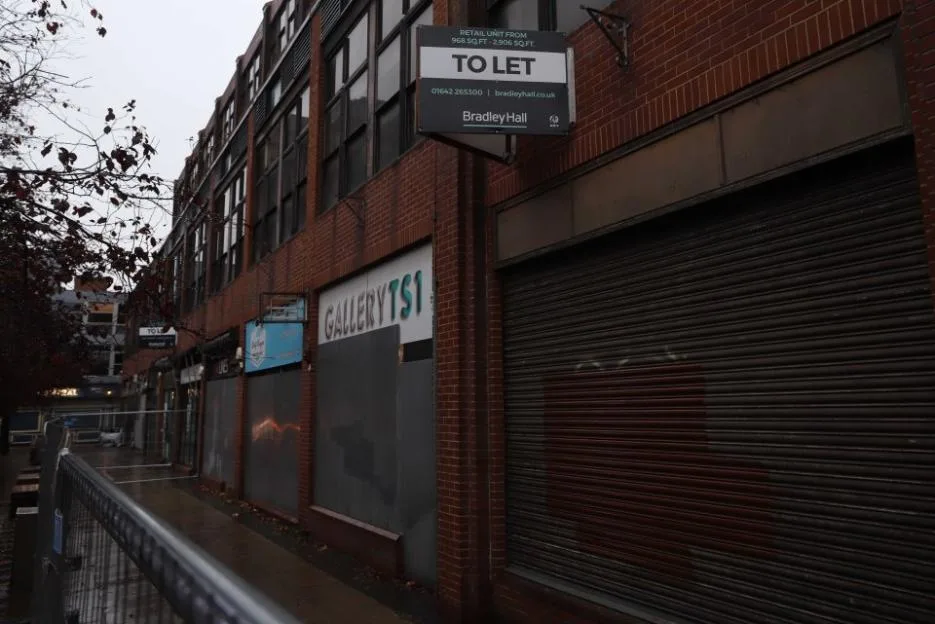
“Unfortunately all too many are going down the path of crime because they don’t see any other options available to having some money other than dealing drugs and we see people fall into that too often.
“I personally believe the pandemic played a major part in the current numbers of NEETs we are seeing. They were young kids who got used to being in their bedroom and it stripped them of their drive and confidence.”
She said a scheme called Youcan in Grove Hill has given some young people hope by finding them work in the building trade.
The scheme, run by a local charity, puts young people from deprived backgrounds through their “cards” – the certification needed to work safely on a building site.
Kath said: “It’s been great to see the numbers who have taken this scheme up. It shows that young people want to work and they want a path out of the life they’ve found themselves in.
“No one should assume that because a youngster isn’t working or at college that they want to do nothing, many just want a bit of help to find a way out of poverty.”
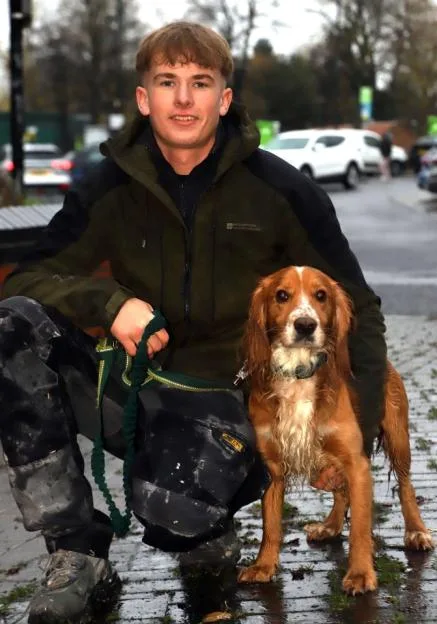
Walking his dog Charlie during his lunch break, joiner Billy Mutton, 19, agrees with Alan Milburn on the value of apprenticeships.
He said: “I went to Bishop Auckland College and did an apprenticeship in joinery and carpentry and came out of it into a part time job which I now do full time.
Join The Sun's Jobs Army
GETTING involved is easy – and EVERYONE can make a difference.
- GET WORK EXPERIENCE: We have tens of thousands of opportunities on offer. Visit jobs.thesun.co.uk/jobs-army-work-experience- hub .
- OFFER WORK EXPERIENCE: If you’re a boss and have a place to offer, email your job to jobsarmy@thesun.co.uk and our team will post.
- GET A STARTER JOB: Looking for your first job? We have over 100,000 starter roles and apprenticeships at jobs.thesun.co.uk/apprenticeships-jobs .
- OFFER A JOB: Advertise it free at jobs.thesun.co.uk/recruiter/register .
- VOLUNTEER: Help a jobless young person at govo.org . Or you volunteer informally in your community. Offer to review a CV, donate an interview outfit or give a talk at a local school about your own job.
“The amount I earn has been going up and I’m really happy to have a good job that I enjoy. I do a bit of everything, shop fitting, painting, whatever is needed.
“I know how hard it can be for people of my age to come out of education and find a job straight away, but the apprenticeship really worked for me and it’s a good way into employment where you learn as you go along.”
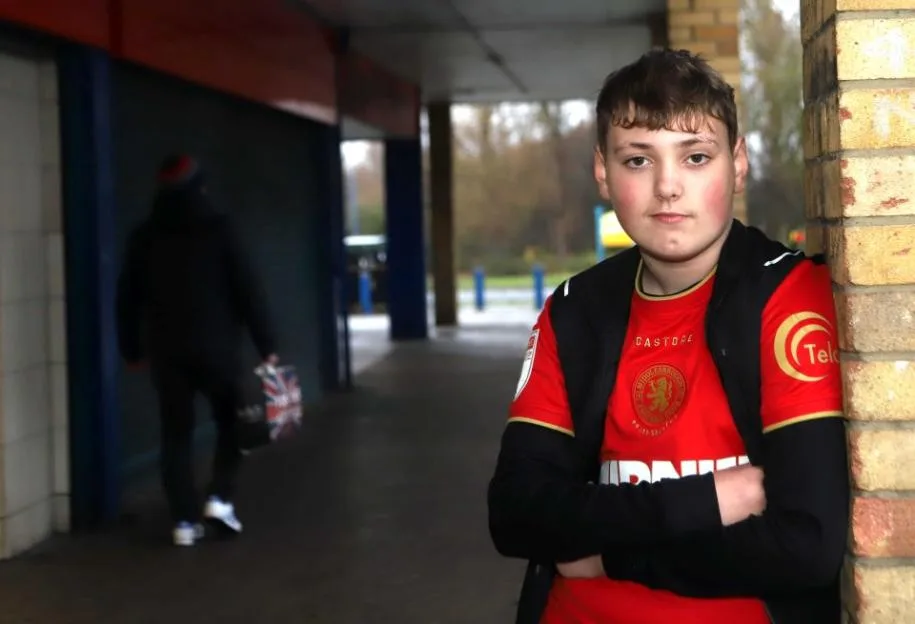
Sarah Beattie, 41, from Pallister Park, Middlesbrough, is worried for her son Cole, 14, who is in SEN education and suffers ADHD.
She said: “I see kids hanging about all day who don’t want to go to school, don’t seem to want to work and are waiting for darkness to come down so they can go out onto the streets in their gangs.
“It makes me worry for my kids because Cole and his brother both have extra needs and in a place where it seems so hard for young people to get a job, I worry they will struggle, which is such a shame because they are keen and willing.”
Cole said: “I’d like to do football coaching or anything to do with sport. I would start work now if I could, I’ll do anything anyone asks me to do and I’ll work hard if I’m given the chance.”
The Grangetown estate on the outskirts of the town was built to house iron and steel workers in Teesside’s boom years.
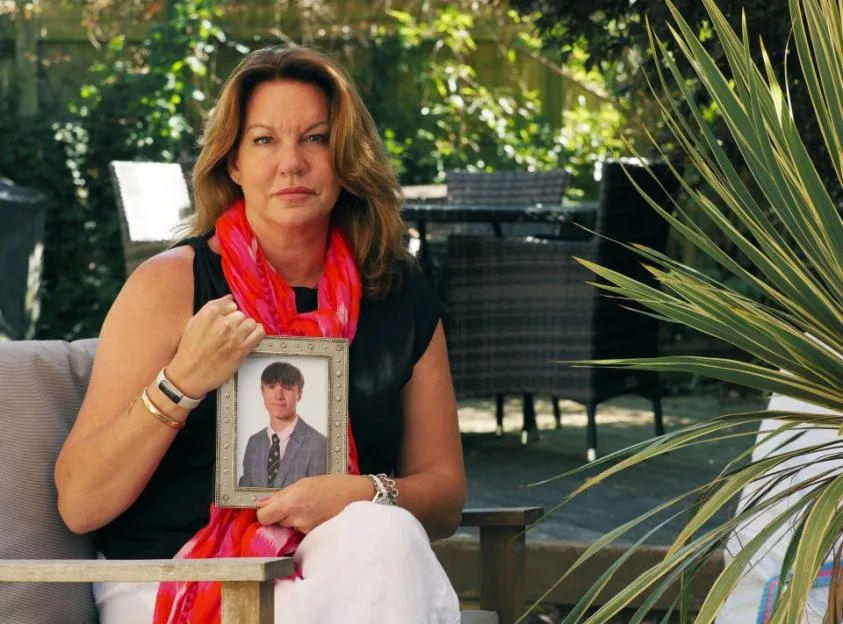
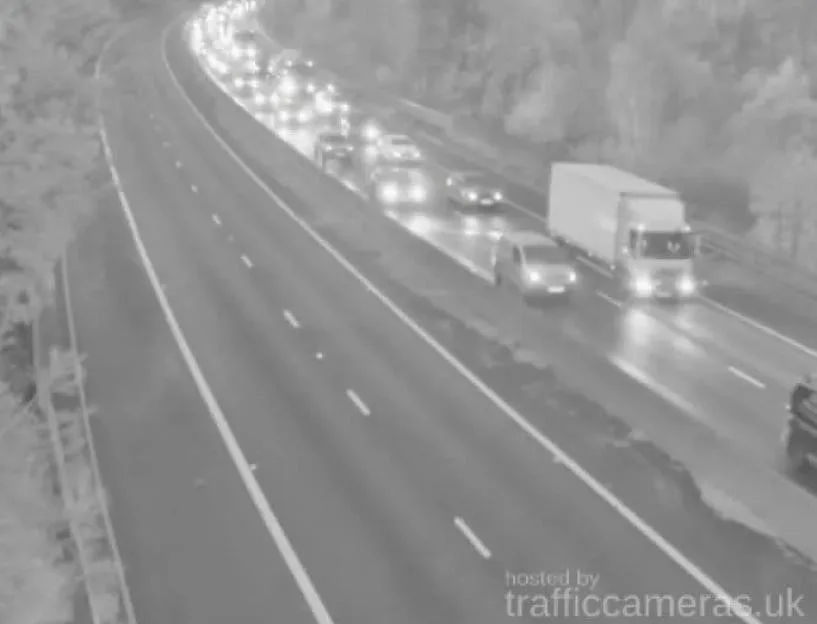
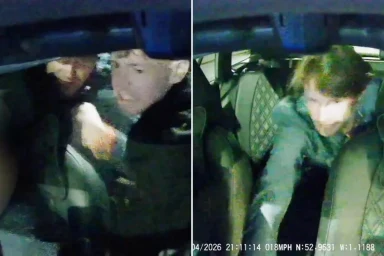
In August it achieved notoriety in the wake of the A66 tragedy which killed two Cleveland police officers and five youths who slammed head-on into their response vehicle whilst trying to flee traffic officers.
Days later a house in Grangetown was set ablaze, killing seven-year-old Valentina Foster and her aunt Natalie McDonald, 34. A local man has been charged with their murder.
A young mother, too afraid to be identified, spoke of the reality of living on the estate.
She said: “There are gangs of kids and young men roaming about all day and night because they have nothing better to do than fight each other and deal drugs.
“When I moved in I had my front window shot out while me and my young son were upstairs in bed. They weren’t targeting us, they were after the people who had just moved out.
“But it’s terrifying that we could both have been killed because we got caught up in some kind of drug gang row. All I wanted to do was move but once a landlord somewhere better sees you have a Grangetown address they don’t want to know.”
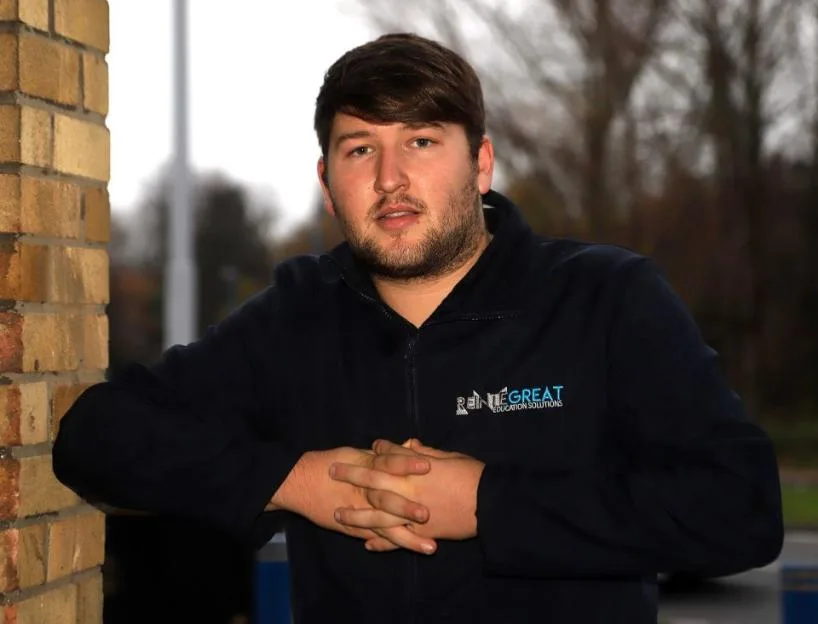
Colleagues Jack Addison, 21, and Layton Caddick, 19, are both teaching assistants at a school in Pallister Park for children who have lost their place in mainstream education.
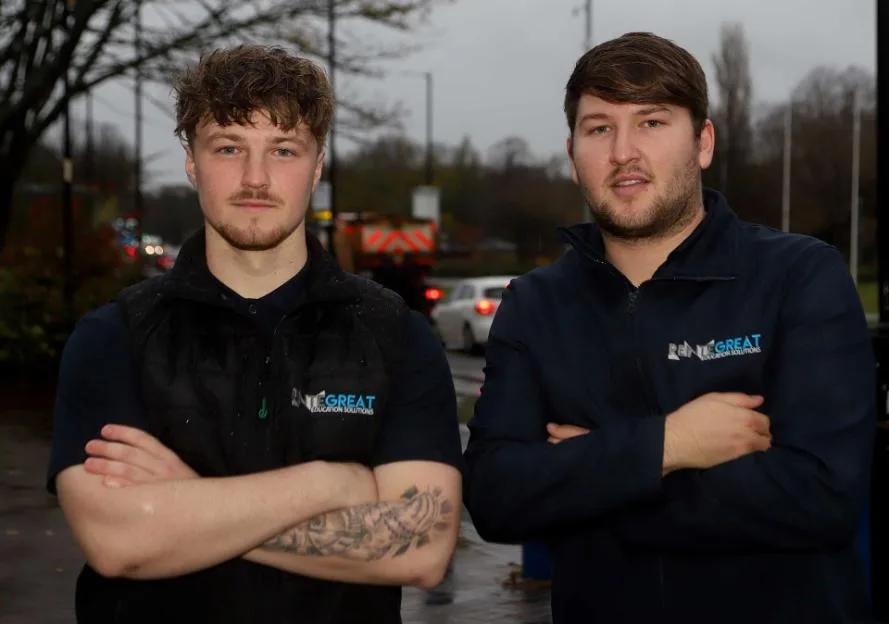
For Layton gaining work there marked a massive reversal in his fortunes.
He said: “I was actually a pupil at the school where I now work after I was permanently excluded from my mainstream school.
“I worked hard and turned things around and now I’m teaching at the school where I once worked. I feel lucky to get that chance.”
Jack said: “It can be hard to get work here and a lot of people struggle, but if you make sure you get the qualifications you need, the jobs are there.”
Responding to the Milburn Report, Middlesbrough Mayor Chris Cooke said: “Alan Milburn is right when he says this should be about improving young people’s life chances.
“My driving force is making sure all young people in Middlesbrough can access opportunities, regardless of whatever challenges they may face.
“We’re focusing on our Community Learning offer and have opened a new hub where people can get support, right in the centre of our town.
“We’re also working closely with colleges and big employers, including the NHS, about creating new opportunities, particularly for those most in need of support.
“We have recent examples of successful projects in the town that have helped 16-19 year olds previously not in education, employment or training. We’re helping people re-engage with learning and build their confidence. Over 90 per cent of those taking part have gone on to continue their studies or start work.
“Thanks to our brilliant colleges and training providers, we perform well as a town in terms of the numbers of 16 and 17-year-olds who are in education or training.
“We’ve got more to do for older age groups and I look forward to reading the full detail of the Milburn Report.”